Introduction to the Urban Evolution

The world is not just changing; it’s evolving at a rapid pace, and nowhere is this more evident than in our cities. As we navigate 2026, the integration of smart infrastructure and advanced automotive technology is reshaping how we drive, commute, and live in urban environments. This evolution is not merely about convenience; it’s about creating sustainable, efficient, and more connected urban life.
The Rise of Smart Roads
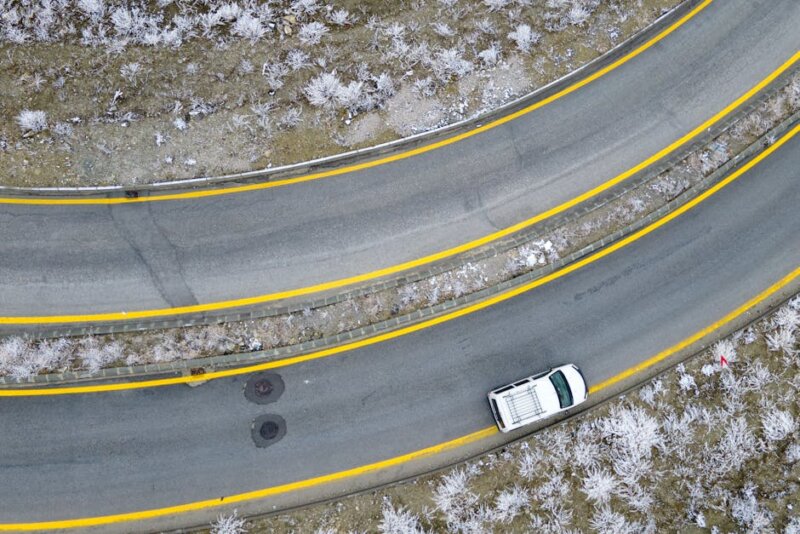
Smart roads are no longer a futuristic concept. In cities like Tokyo and Amsterdam, roads embedded with sensors and IoT technology communicate with vehicles to optimize traffic flow and enhance safety. These roads can dynamically alter traffic signals, provide real-time updates on traffic conditions, and even charge electric vehicles on the move. Imagine your car seamlessly being guided through a cityscape where traffic jams are a thing of the past.
- Dynamic Traffic Management: Cities like Singapore already use AI-driven systems to adapt traffic lights and speed limits based on live traffic data, reducing congestion and emissions.
- Smart Parking Solutions: Parking in crowded urban centers is being revolutionized with smart parking meters that guide drivers to available spots, reducing the time spent circling the block and minimizing emissions.
Connected Cars: The New Urban Norm
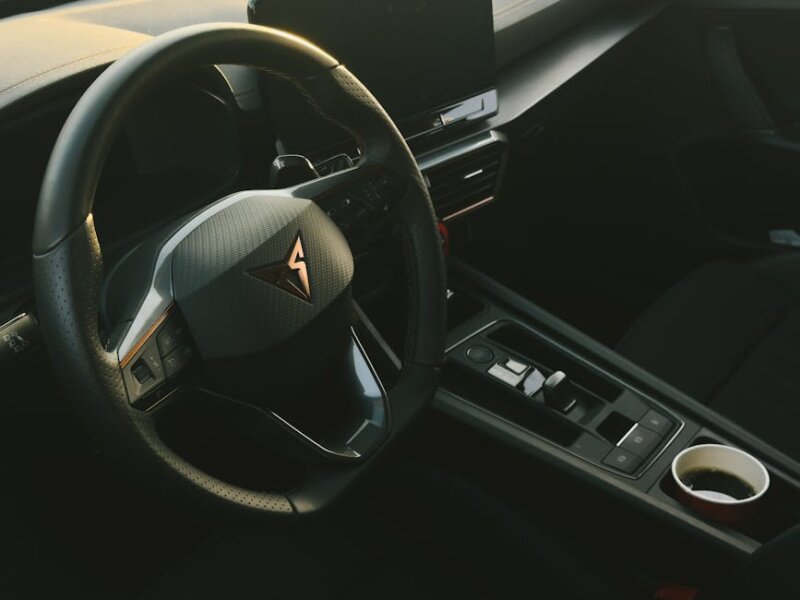
Connected vehicles are no longer a luxury but a necessity in the smart cities of 2026. With 5G networks becoming ubiquitous, cars are communicating not only with each other but with urban infrastructure. This connectivity enhances navigation, safety, and even entertainment options on the go.
- V2X Communication: Vehicle-to-everything (V2X) communication enables cars to exchange information with surrounding infrastructure. This means your car can alert you to potential hazards or road conditions ahead, making driving predictably safer.
- Enhanced Navigation Systems: Real-time traffic data and AI integration allow navigation systems to suggest alternative routes based on live conditions, saving time and reducing road stress.
Green Mobility: Sustainability at its Core
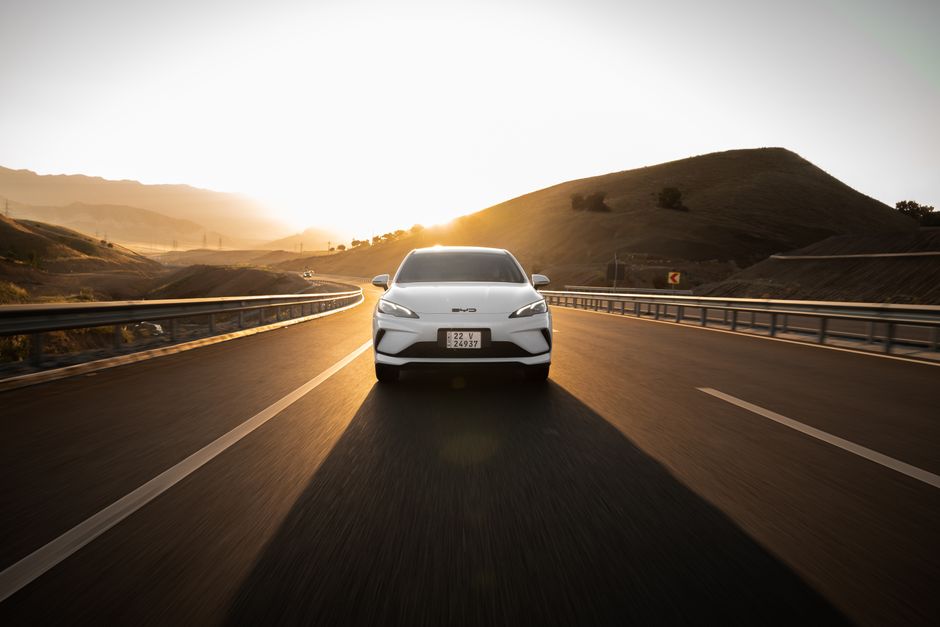
As environmental concerns rise, cities are pushing for greener transportation solutions. Electric vehicles (EVs) are leading the charge, supported by advancing urban infrastructure. Public charging stations are now as common as gas stations, and renewable energy sources power these networks.
- Electrification of Public Transport: Cities like Oslo have committed to having 100% electric public transport by 2026, significantly reducing urban pollution.
- Zero Emission Zones: In London, certain areas are designated zero-emission zones, encouraging the use of EVs and other green transport options.
Autonomous Vehicles and the New Urban Mobility
Autonomous vehicles (AVs) are gradually becoming part of daily life in smart cities. With pilot programs already underway in New York and San Francisco, autonomous shuttles and taxis are providing safe and efficient transport solutions. These vehicles not only ease traffic congestion but also offer mobility solutions for those unable to drive themselves.
- Shared AV Services: Companies like Waymo and Cruise are expanding their fleets, offering affordable, on-demand transport.
- Impact on Urban Planning: The rise of AVs is prompting changes in urban design, with less need for parking spaces and more focus on pedestrian-friendly environments.
Practical Takeaway: Embrace the Change
As cities and cars become smarter, the way we approach driving and urban living must adapt. Embrace technology not just as a convenience, but as a way to enhance urban life efficiency and sustainability. Whether it’s through choosing an electric vehicle, utilizing connected car features, or supporting autonomous transport, there are myriad ways to engage with the smart city landscape of 2026.