
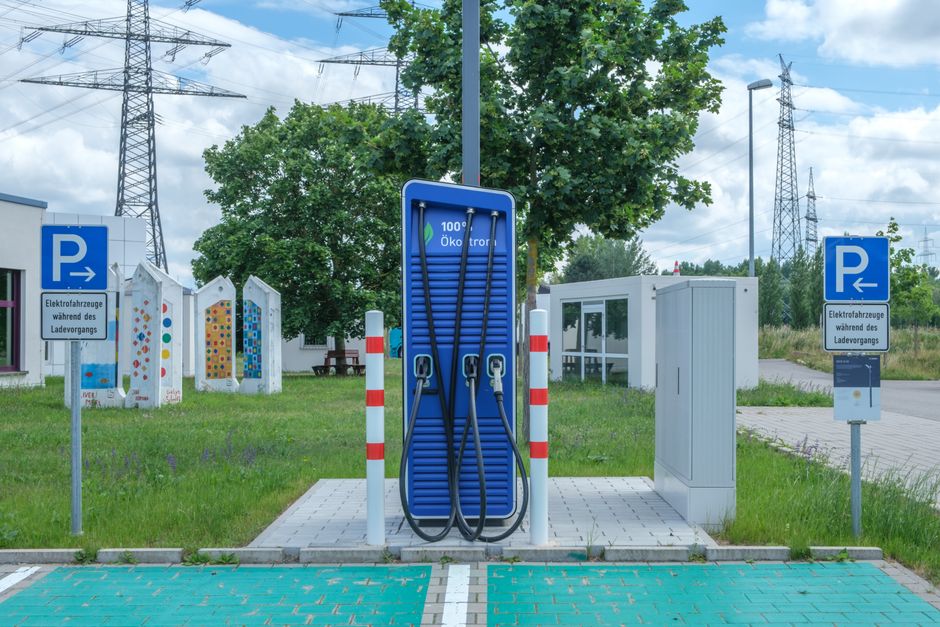
Introduction: A New Era of Charging

The year 2026 is witnessing a tectonic shift in how we charge our electric vehicles. Long gone are the days of waiting in lines at charging points or struggling to find one during a long road trip. Enter modular charging stations — the latest innovation reshaping the landscape of electric mobility. This year, these versatile power hubs are becoming an integral part of urban and rural infrastructure, promising swift and seamless charging experiences for everyone.
What Are Modular Charging Stations?
Modular charging stations are revolutionizing the way EVs get powered. Imagine charging units that can be expanded or reduced based on demand, easily relocated, or upgraded with the latest tech. These stations are designed with flexibility in mind, allowing them to adapt to various environments, from bustling city centers to quiet country roads. They’re built like construction blocks, where additional units can be snapped on as needed, making them a dynamic solution for evolving needs.
The Advantages of Going Modular
- Scalability: These stations can grow along with the number of EVs on the road. As more people switch to electric, new modules can be added without needing to overhaul the entire setup.
- Cost-Effective: Initial investments are lower since cities can start with smaller installations and expand as necessary. This flexibility ensures that resources are allocated efficiently.
- Upgradable: Technology changes fast. With modular systems, it’s easy to upgrade to faster charging speeds or integrate new features like solar panels without replacing the entire infrastructure.
- Easy Maintenance: If a module encounters an issue, it can be replaced without disrupting the entire station. This ensures minimal downtime and more reliable service.
Real-World Implementation: Cities Leading the Charge
Several cities worldwide are at the forefront of this charging revolution. In Amsterdam, a pilot program has introduced modular stations that can charge up to 20 vehicles simultaneously while also being space-efficient. Meanwhile, in San Francisco, these stations are popping up in public parking areas, providing quick and easy access for urban dwellers.
In India, Pune has embarked on a city-wide initiative, rolling out modular units in both urban and suburban areas. This approach reduces the distance EV owners need to travel to find a charging point, making electric vehicles a more attractive option.
Challenges and Considerations
While modular charging stations offer a plethora of benefits, several challenges need addressing. One significant concern is the standardization of components to ensure compatibility across different manufacturers and models. Additionally, regulatory frameworks must evolve to support this rapid deployment, ensuring safety and compliance.
Moreover, the integration of renewable energy sources, like solar or wind, into these stations can be complex but crucial for creating a truly sustainable system. This requires careful planning and collaboration between the public and private sectors.
The Future of EV Charging
Looking ahead, the modular approach aligns perfectly with the global push towards sustainable and adaptive infrastructure. As urban populations grow and environmental concerns become more urgent, these stations will be central to supporting the electric transition. Beyond just charging, they could serve as community hubs, offering Wi-Fi, seating, and even small retail outlets. The potential is vast, and the opportunities are exciting.
For car manufacturers and city planners, embracing this technology means being part of the solution to modern energy challenges. For consumers, it means more convenience, less waiting, and a greener, more connected future.
Takeaway
Modular charging stations are not just a trend; they’re a stepping stone towards a more efficient and sustainable future for electric vehicles. For municipalities and businesses, investing in this technology could serve as a catalyst for broader adoption of electric vehicles. And for EV owners, these stations represent a less stressful, more integrated charging experience. As 2026 unfolds, keep an eye on how these modular marvels continue to transform our roadways and cityscapes.