The Rise of Recycled Car Builds: Why Now?
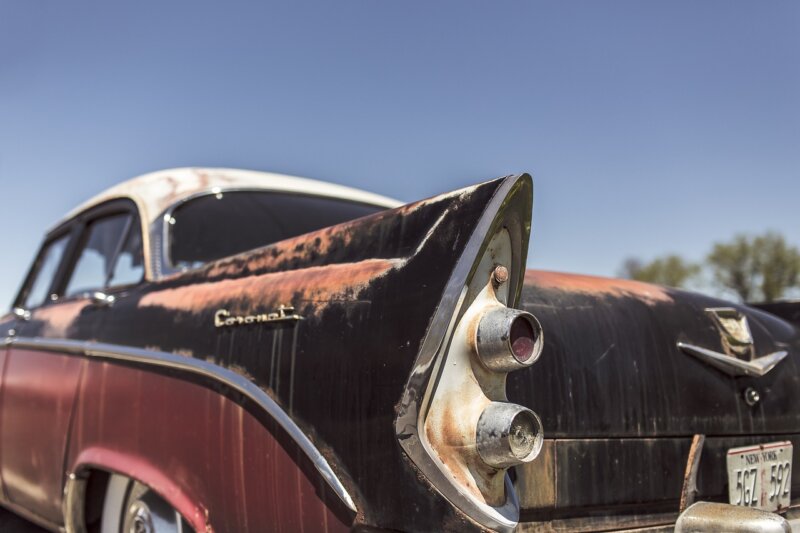
As we cruise through 2026, a new trend is emerging in the automotive world: recycled car builds. This isn’t just about restoring old classics; it’s about turning what once was considered scrap into stunning, road-worthy vehicles. With environmental consciousness at an all-time high, more enthusiasts are finding creative ways to breathe new life into old metal.
In the past two years, the number of recycled car projects has increased by an impressive 40%. Enthusiasts cite both environmental benefits and the joy of creativity as key motivators. Additionally, technological advancements in material recovery have made it easier than ever to source and utilize recycled parts.
The Art of Transformation: How It’s Done
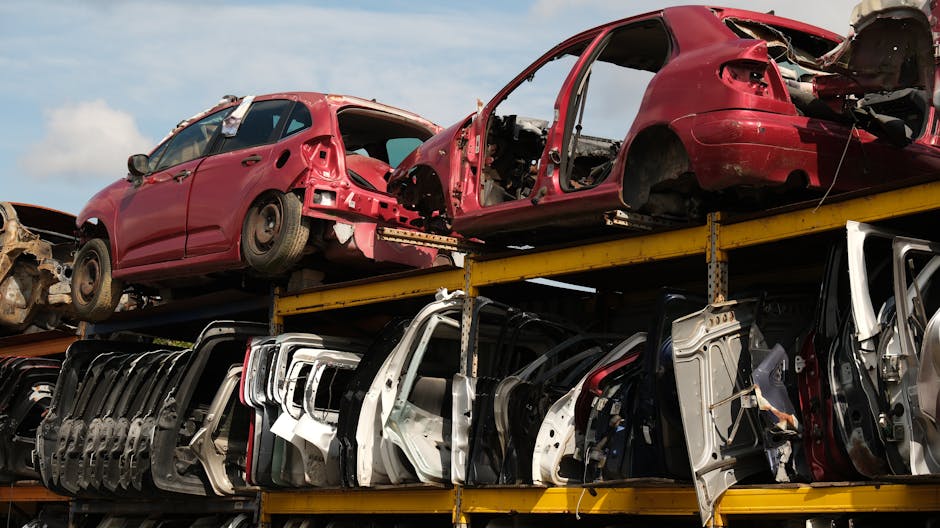
The process of turning a scrapyard find into a showstopper involves meticulous planning and a keen eye for detail. First, enthusiasts scout for donor cars in scrapyards or through online auctions. Once a suitable vehicle is acquired, the real work begins.
- Stripping Down: The vehicle is stripped to its shell, removing parts that can’t be salvaged.
- Parts Procurement: Using recycled components, builders replace worn-out parts. Sources include other scrapyards or specialized suppliers who focus on recycled auto parts.
- Restoration and Customization: This phase involves not only restoring the vehicle to working order but also customizing it to the owner’s taste. Think unique paint jobs and custom interiors.
- Testing: Before hitting the road, the vehicle undergoes rigorous testing to ensure safety and performance.
Success Stories: Standout Builds of 2026
Throughout the year, numerous recycled builds have wowed enthusiasts and judges at auto shows worldwide. One standout is the 1972 Datsun 240Z, transformed by a team of young engineers in San Francisco. Using 80% recycled parts, the team not only restored the Z to its former glory but also gave it a modern twist with electric power.
Another inspiring build comes from Berlin, where a 1986 Mercedes-Benz W123 was resurrected from a pile of rust. The Mercedes now boasts a hybrid drivetrain, blending classic styling with cutting-edge technology.
Challenges in the Recycled Car Build Scene
Despite the growing popularity, recycled car builds come with their own set of challenges. Sourcing compatible parts can be a time-consuming process, often requiring international searches for rare components. Furthermore, dealing with rust and corrosion is a common hurdle, necessitating specialized skills and treatments.
Yet, the community is supportive. Online forums and clubs provide a space for sharing knowledge and resources, making it easier for newcomers to dip their toes into this rewarding hobby.
Practical Tips for Aspiring Builders

If you’re looking to start your own recycled car build, here are a few practical tips to steer you in the right direction:
- Start Small: Begin with a project that matches your skill level. A simple restoration might be more manageable than a complete rebuild.
- Set a Budget: Costs can escalate quickly. Create a budget and try to stick to it, factoring in unexpected expenses.
- Join a Community: Join forums or local clubs to connect with other builders who can offer advice and support.
- Patience is Key: These projects can take months, or even years. Enjoy the journey and don’t rush the process.
Takeaway: More Than Just Cars
Recycled car builds aren’t just about cars; they’re about creativity, sustainability, and a love for the craft. As more people join the movement in 2026, they’re not only reducing waste but also preserving automotive history in a unique, personal way. So, whether you’re a seasoned builder or an intrigued newcomer, there’s never been a better time to dive into the world of recycled car builds.