Understanding the Heartbeat of Your Vehicle

In 2026, cars are not just a means of transportation; they’re integral to our daily lives, providing comfort, safety, and sometimes even a bit of fun. But like anything else, they age. The decision to either revitalize your trusty ride or replace it with a new model is more complex than ever. Factors such as technological advancements, environmental concerns, and personal preferences all play a role.
To make this decision, it’s essential to understand your vehicle’s mechanical health. Regular check-ups with a trusted mechanic can highlight any underlying issues. Warning signs like unusual noises, decreased fuel efficiency, or dashboard warning lights are more than just nuisances—they’re signals that your car might be nearing its end.
The Cost of Maintenance vs. the Cost of a New Car
While sentimentality often tugs at our heartstrings, the practical side of car ownership requires us to consider the financial implications. The average cost to keep an older car running smoothly in 2026 can be staggering. Reports suggest maintenance expenses can surpass $1,200 annually, especially if you drive a high-mileage vehicle. Contrast that with the cost of purchasing a new car, where monthly payments and insurance premiums come into play.
- Maintenance Expenses: Brakes, tires, and regular service can add up quickly. If your car needs major repairs, like a transmission overhaul, those costs might tip the scales toward replacement.
- New Car Costs: The excitement of a new car comes with a price tag. Initial costs might seem daunting, but the improved fuel efficiency and warranty coverage can offer long-term savings.
Tech-Savvy Upgrades: Breathing New Life into Old Friends
With technology leaping forward, cars from even a few years ago can feel outdated. But before you trade in your keys, consider tech-savvy upgrades. In 2026, a host of aftermarket options allow you to retrofit your car with modern conveniences.
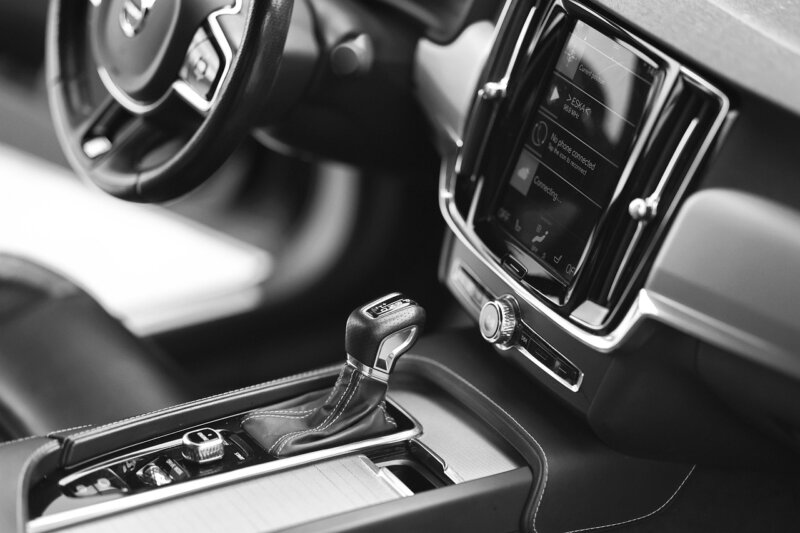
- Infotainment Systems: Update your dashboard with the latest infotainment technology that includes navigation, music streaming, and hands-free communication.
- Safety Features: Add-ons like blind-spot monitoring and adaptive cruise control can make your older car feel nearly new.
- Eco-Friendly Modifications: From hybrid conversion kits to solar-powered battery chargers, you can minimize your carbon footprint without buying a new car.
Environmental Impact: A New Consideration for Car Owners
The climate conversation is influencing car ownership in unprecedented ways. In 2026, consumers are more environmentally conscious, opting for electric vehicles (EVs) or hybrids. If you’re on the fence about keeping your old gas-guzzler, consider the long-term environmental impact.
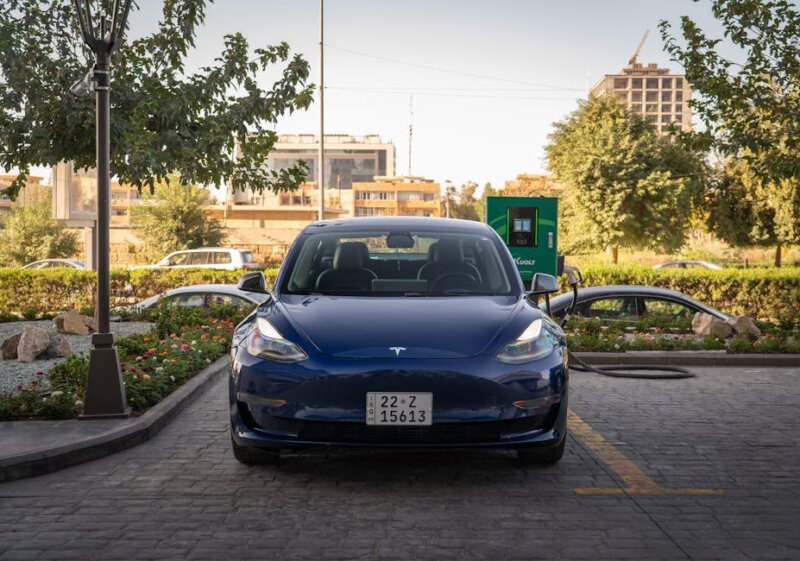
Switching to an EV might seem like a leap, but tax incentives and charging infrastructure advancements have made them more accessible than ever. If a new electric car isn’t in your budget, remember that keeping an older car running efficiently can also be environmentally friendly, as it avoids the emissions and waste associated with manufacturing new vehicles.
The Emotional Factor: It’s More Than Just a Car
Sentimental value is a powerful force. Your car might be the one you drove on your wedding day, took on epic road trips, or even brought your newborn home. These memories can make the thought of parting with your car difficult.

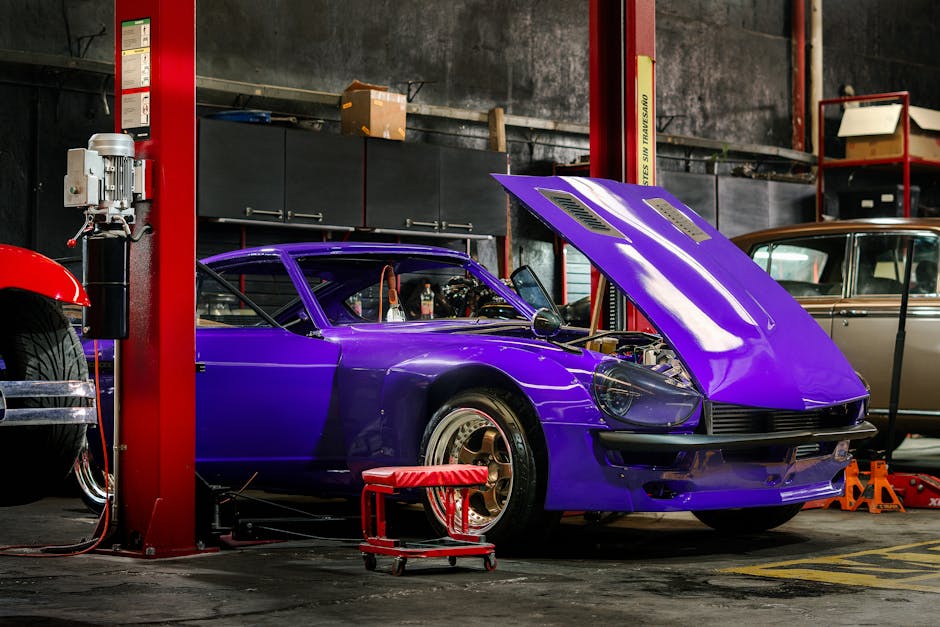
Weighing emotional attachment against practicality requires introspection. Recognize the intrinsic value your car holds, but also be honest about whether it meets your current lifestyle needs. Sometimes, a compromise, like restoring a beloved vehicle to keep it as a secondary car, can offer the best of both worlds.
Practical Takeaway: Making the Decision
The decision to revitalize or replace your car in 2026 is multifaceted, involving financial, technological, environmental, and emotional considerations. Evaluate your car’s health, the potential for upgrades, and the environmental impact of both keeping and buying new. Most importantly, reflect on how your vehicle fits into your life today. With thoughtful consideration, you can make a choice that satisfies both your head and your heart.