Introduction: The Importance of Interior Design
The way we interact with our cars is transforming. It’s no longer just about getting from point A to point B. In 2026, the focus has shifted to the in-car experience, where the interior design of vehicles plays a crucial role in our daily lives. As technology evolves and consumer expectations soar, carmakers are redefining what it means to sit inside a vehicle.
Material Innovations for Comfort and Sustainability
Car interiors have traditionally relied on leather, plastic, and metal. However, the trend in 2026 is moving towards eco-friendly materials that are both sustainable and luxurious. Tesla’s Model X, for example, incorporates plant-based leathers and recycled plastics, reducing environmental impact while maintaining comfort.
- BMW’s latest i7 series features eucalyptus wood paneling, providing a warm and natural feel.
- The Ford Kuga uses recycled ocean plastics, showcasing a commitment to sustainability.
- Mercedes-Benz has introduced a vegan interior option, appealing to ethically-minded consumers.
These innovations are not just about sustainability; they’re about creating an atmosphere that drivers and passengers can truly enjoy.
Technology Integration: More Than Just a Touchscreen
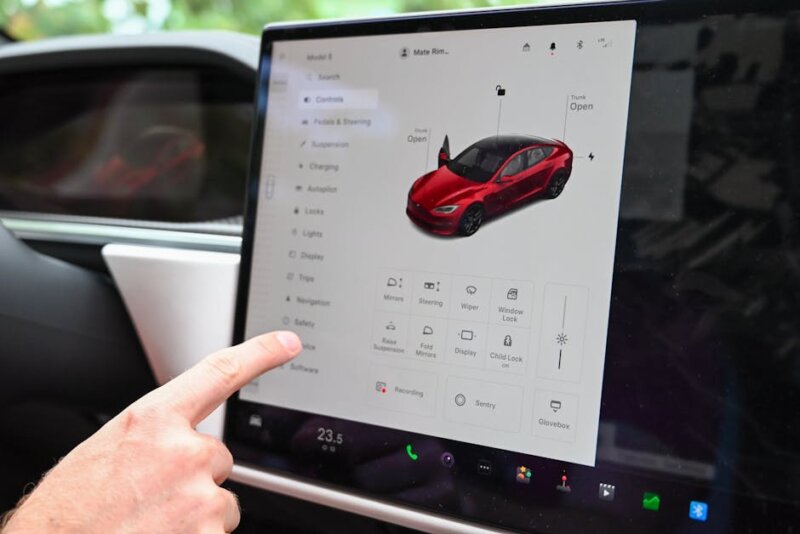
Gone are the days when a simple radio and CD player sufficed. Today’s cars are equipped with advanced technological features designed to enhance the driving experience. Voice-activated controls, augmented reality dashboards, and seamless smartphone integration are becoming the norm.
- The Hyundai Ioniq 5 boasts a panoramic dashboard with an AR display, offering real-time navigation and traffic updates.
- Volvo’s XC90 integrates a Google Assistant system, allowing drivers to control their smart home devices from the car.
- Audi’s new e-tron models feature 5G connectivity, ensuring passengers are always connected on the go.
These high-tech interiors provide a seamless blend of form and function, making each drive more informative and enjoyable.
The Rise of Customization: Your Car, Your Way
Personalization is a key trend in car interiors for 2026. Automakers are offering bespoke options that allow drivers to tailor their vehicles to their unique tastes and needs.
- The Range Rover Velar offers over 50 interior color and material combinations.
- Toyota’s new Land Cruiser series allows for customizable ambient lighting, creating a personalized atmosphere for each drive.
- Lucid Motors offers a tailored seating arrangement in their Air model, adapting to the specific needs of families or executive travelers.
This emphasis on personalization ensures that every car feels like a true extension of its driver.
Ergonomics and Space Utilization: Comfort Meets Functionality
As cars become more than just vehicles, the importance of ergonomics and space utilization has grown. Automakers are focusing on maximizing comfort without sacrificing practicality.
- The Honda Odyssey features a reconfigurable seating system, perfect for families on the go.
- The Nissan Leaf’s flat floor design provides more legroom and storage space.
- Chevrolet’s Bolt EV includes multi-level heated seats and adjustable lumbar support, ensuring comfort for road trips.
These ergonomic designs make even the longest drives more comfortable and convenient.
Conclusion: Creating the Perfect In-Car Experience
In 2026, the focus on car interiors highlights the growing importance of the in-car experience. By embracing sustainability, technology, personalization, and ergonomics, automakers are crafting environments that are not just functional, but also inviting and luxurious. Whether you’re commuting, road-tripping, or simply enjoying a drive, the interior of your car is now a space designed to enhance every journey.
So next time you slide into the driver’s seat, take a moment to appreciate how far car interiors have come and how they transform the driving experience from the inside out.