
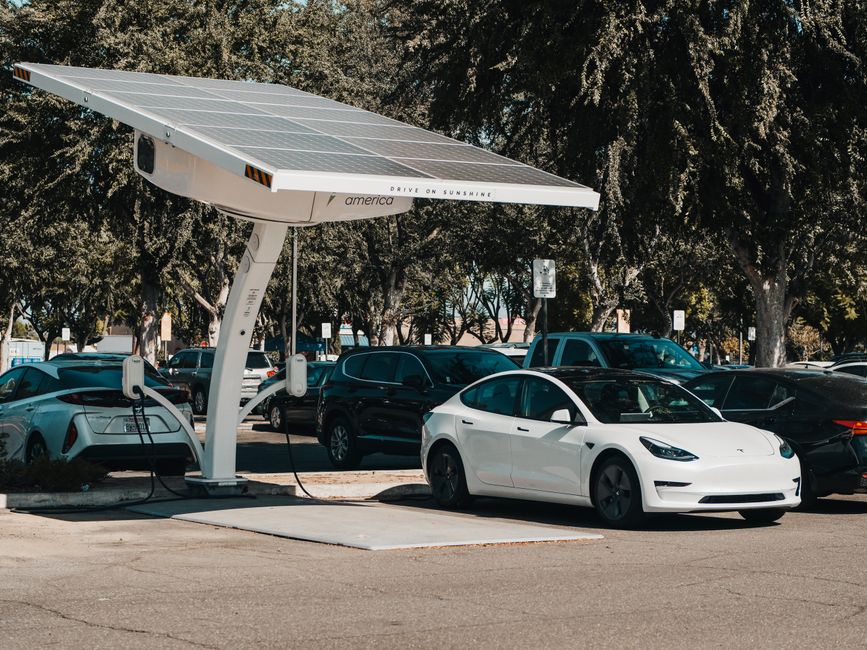
The Dawn of Solar-Powered Vehicles
2026 is a landmark year for automotive innovation, with solar-powered cars moving firmly into the spotlight. Once a distant dream, these vehicles are hitting the roads in greater numbers, turning the sun’s energy into a practical solution for clean transportation. The convergence of advanced solar technology and electric vehicle engineering is leading to some fascinating developments that are reshaping how we think about mobility.
Understanding the Technology Behind Solar Cars
At the core of solar-powered vehicles are photovoltaic cells, the technology that converts sunlight directly into electricity. These cells are typically integrated into the car’s roof or other surfaces, capturing solar energy even when the vehicle is stationary. Over the past few years, improvements in solar efficiency have led to cells that can now generate more power in less space. Major manufacturers like Lightyear and Aptera are leading the charge, offering models that boast impressive ranges and efficiency.
Real World Performance: Mileage and Efficiency
Solar-powered cars in 2026 are no longer confined to short, sunny trips. Thanks to advancements in energy storage and solar panel efficiency, these vehicles can now travel substantial distances on a single charge. For instance, Lightyear’s latest model claims up to 450 miles of range, with solar panels providing an average of 40 additional miles per day under optimal conditions. This means fewer stops at charging stations and more freedom for long-haul journeys.
Challenges and Innovations in Solar Car Design

While promising, the large-scale adoption of solar-powered cars isn’t without its challenges. One major hurdle is the variability of sunlight in different regions and seasons. To combat this, companies are developing hybrid systems that combine solar panels with traditional electric charging. Moreover, innovations such as transparent solar cells integrated into windows and more flexible solar materials are on the horizon, further enhancing the potential of solar-powered vehicles.
The Environmental Impact and Sustainability
Solar-powered cars offer significant environmental benefits by reducing reliance on fossil fuels and minimizing greenhouse gas emissions. Every mile driven on solar energy is a step toward carbon neutrality. Moreover, the materials used in new solar cells are becoming increasingly sustainable, with a focus on recyclability and reduced environmental footprint. This shift not only addresses immediate environmental concerns but also sets a precedent for future automotive designs.
What to Expect Next in Solar Mobility
The future of solar-powered vehicles looks bright, with ongoing research promising even more efficient solar cells and integration technologies. As urban areas continue to adopt green initiatives, we can expect to see infrastructure developments that support solar car charging alongside traditional electric vehicle stations. Government incentives and growing consumer interest are also likely to drive further advancements and adoption.
For consumers considering the switch to solar, the benefits extend beyond environmental impact. The potential for reduced fuel costs and greater energy independence makes solar-powered cars an attractive option for the eco-conscious and the economically savvy alike.
Practical takeaway: As we embrace 2026, solar-powered cars are no longer just a futuristic concept. They’re a viable, eco-friendly transportation option that combines cutting-edge technology with sustainable practices. For those looking to invest in a vehicle that promises both innovation and responsibility, solar-powered cars offer a compelling choice.