The Aerodynamic Revolution in Luxury Cars
It’s 2026, and luxury cars are no longer just about opulence and speed. The silent, invisible hand guiding their evolution is aerodynamics. Car designers are now more like air sculptors, crafting vehicles that glide through the atmosphere with elegance and efficiency. This shift isn’t just about aesthetics; it’s transforming performance and environmental impact.
Why Aerodynamics Matters More Than Ever
As car manufacturers strive to meet stringent environmental regulations, reducing drag is key. Aerodynamic efficiency directly influences fuel consumption and emissions — both crucial factors in today’s eco-conscious market. For luxury brands like Mercedes-Benz, BMW, and Aston Martin, marrying environmental sustainability with luxury is not just a challenge; it’s an opportunity.
Design Meets Science: The New Aesthetic
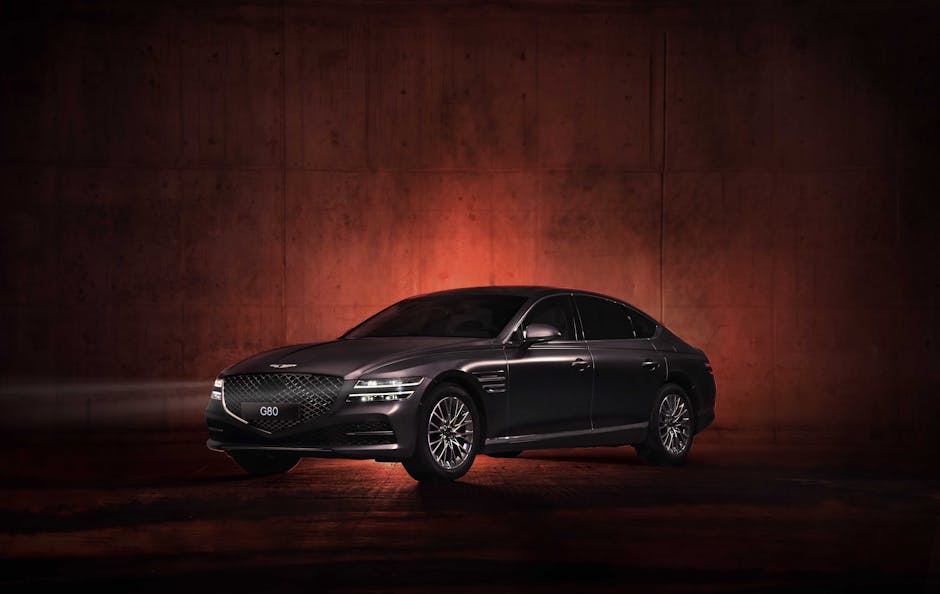
Walk into any luxury car showroom in 2026, and you’ll notice a distinct change in design language. The sleek, elongated forms aren’t just for show; they’re the result of meticulous wind tunnel testing and computational fluid dynamics (CFD) simulations. The new BMW i9, for example, has a drag coefficient of just 0.21, making it one of the most aerodynamic cars ever built.
- Active Aero Elements: Many luxury cars now come equipped with adjustable aero elements that adapt to driving conditions. The Aston Martin Valhalla’s rear wing, for instance, automatically adjusts to improve downforce or reduce drag, depending on speed.
- Underbody Design: A smooth underbody with strategically placed air vents helps manage airflow, reducing turbulence and drag. The latest Porsche Panamera employs this technique to achieve optimal aerodynamic performance.
Increased Performance and Efficiency
Improved aerodynamics result in faster, more efficient vehicles. The streamlined design of the 2026 Audi E-Tron GT not only lends it a striking silhouette but also enhances its range by up to 12% compared to its predecessors. This means longer journeys on a single charge, combining the pleasure of driving with the practicality of fewer stops.
Luxury and Sustainability: A Harmonious Blend
Modern luxury vehicles seamlessly integrate sustainability without compromising on comfort or performance. The 2026 Rolls-Royce Specter exemplifies this blend, featuring recycled materials, advanced aerodynamics, and an all-electric powertrain. It’s proof that luxury doesn’t have to come at the planet’s expense.
The Future of Car Design: What to Expect
Looking ahead, expect even more collaboration between automotive engineers and aerodynamicists. With advancements in materials like graphene, cars will become even lighter and more efficient. Additionally, emerging computer technologies such as AI-driven design processes will continue to refine and optimize vehicle shapes.
In essence, the roads are becoming more elegant, and luxury cars are leading the way. Aerodynamics is not just shaping the future of car design — it’s reshaping our expectations of what luxury means in the automotive world.

Practical Takeaway: When browsing for your next luxury vehicle, consider aerodynamic efficiency. It could mean the difference between simply owning a car and experiencing the pinnacle of automotive innovation.