
Introduction to Augmented Reality in Cars

2026 is proving to be a landmark year for automotive technology, with augmented reality (AR) windshields leading the charge. Imagine driving through a city where your windshield displays real-time navigation, traffic alerts, and even entertainment options—all seamlessly integrated into your field of vision. This isn’t science fiction; it’s the reality for many drivers today.
How AR Windshields Enhance Safety
The primary benefit of augmented reality windshields is undoubtedly safety. By projecting essential information directly onto the glass, drivers can keep their eyes on the road while still accessing critical data. For instance, navigation prompts can appear as unobtrusive overlays, guiding you turn by turn without the distraction of looking down at a traditional GPS device. Additionally, these systems can highlight potential hazards like pedestrians or cyclists, giving drivers extra time to react.
Augmented Reality and Entertainment
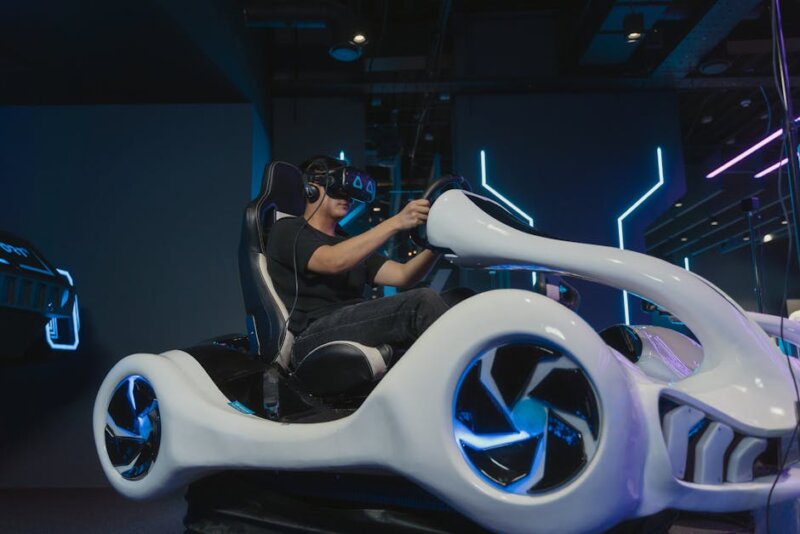
While safety is a priority, AR technology is also transforming in-car entertainment. Consider the potential for games or applications that interact with the outside world, providing passengers with an engaging experience during long drives. Companies like Disney and Netflix are already exploring partnerships with car manufacturers to develop AR-compatible content, offering a new dimension to passenger entertainment.
Integrating AR with Smart City Infrastructure

As cities become smarter, AR windshields are set to play a crucial role in connecting vehicles to urban infrastructure. Imagine driving through New York City and having your windshield display real-time updates about parking availability, local events, or even air quality indices. This level of integration makes urban driving more efficient and enjoyable, reducing the stress associated with navigating complex city environments.
The Environmental Impact of AR Windshields
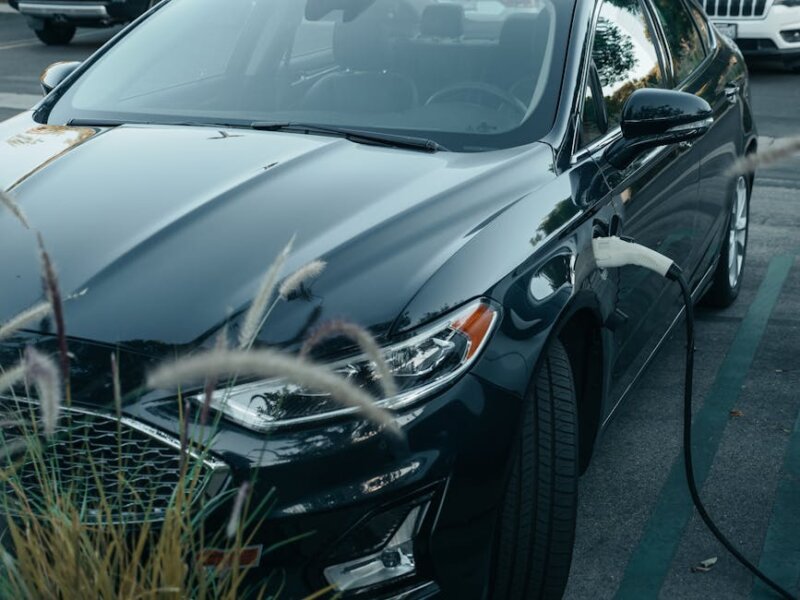
One often overlooked aspect of AR technology is its potential to contribute to eco-friendly driving. By providing optimized routing suggestions and traffic avoidance tips, AR systems can help reduce fuel consumption and emissions. Moreover, by integrating with electric vehicle systems, AR can offer real-time data on the nearest charging stations, ensuring drivers can plan their journeys with sustainability in mind.
The Future of AR in the Automotive Industry
The augmented reality windshield is just the tip of the iceberg in terms of automotive innovation. Looking ahead, we can expect even more sophisticated implementations, such as fully customizable displays that adapt to personal preferences or the development of holographic interfaces that bring new dimensions to the driving experience. It’s an exciting time for car enthusiasts and tech aficionados alike.
Takeaway: As AR windshields become more commonplace, their impact on driving safety, entertainment, smart city integration, and environmental sustainability is increasingly significant. For those in the market for a new car, considering a model with AR capabilities could provide a glimpse into the future of driving.