Introduction to Smart Parking: The Future of Urban Mobility

As urban populations continue to soar and more people flock to cities, parking has become more than just a convenience—it’s a critical issue. In 2026, smart parking solutions are at the forefront of urban planning, transforming the way we think about parking spaces and city life. Gone are the days of circling the block endlessly searching for a spot. Today, technology is stepping in to offer real-time solutions that not only reduce traffic congestion but also significantly lower emissions.
The Role of IoT in Smart Parking
The Internet of Things (IoT) has revolutionized many aspects of our lives, and parking is no exception. Smart sensors, cameras, and digital platforms now provide drivers with instant updates on parking availability. Take, for instance, Tokyo’s Shibuya district, where IoT-powered parking systems have reduced search times by 40%. These intelligent systems can guide drivers to the nearest available parking spot, predict availability, and even allow reservations, making city driving less stressful and more efficient.
AI-Powered Parking Management Systems
Artificial Intelligence (AI) is another game-changer in the realm of parking. AI-driven analytics can predict parking trends, optimize pricing based on demand, and even recognize patterns that could indicate areas needing more infrastructure. In San Francisco, AI systems have been integrated into parking meters and garages, resulting in a 30% reduction in street parking congestion. By analyzing data patterns, these systems assist drivers and city planners alike, creating a seamless experience between the road and the lot.
Mobile Apps: The New Parking Assistant
With the widespread use of smartphones, mobile apps have emerged as powerful tools for managing parking. Apps like ParkSmart and SpotHero have become essential companions for urban dwellers in cities like New York and London. These apps not only provide real-time information about parking availability but also allow users to pay for parking through their phones, extend parking time remotely, and even receive alerts when their parking session is about to expire. The convenience factor is undeniable, saving time and reducing frustration.
Environmental Impact of Smart Parking Solutions
One of the most significant benefits of smart parking solutions is their positive impact on the environment. By reducing the amount of time vehicles spend idling and searching for parking, these solutions help to lower emissions significantly. In Barcelona, where smart parking has been widely adopted, there has been a 15% drop in CO2 emissions attributed to reduced traffic congestion. This shift not only improves air quality but also supports broader city sustainability goals.
The Road Ahead: Challenges and Innovations
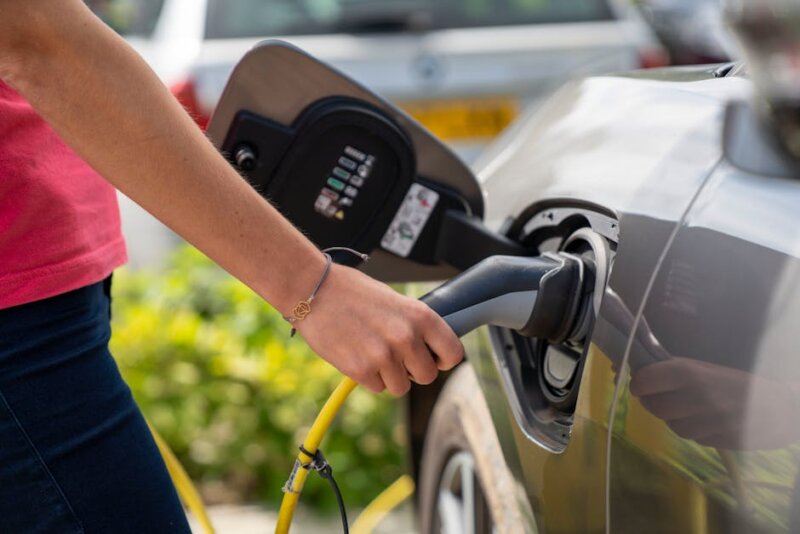
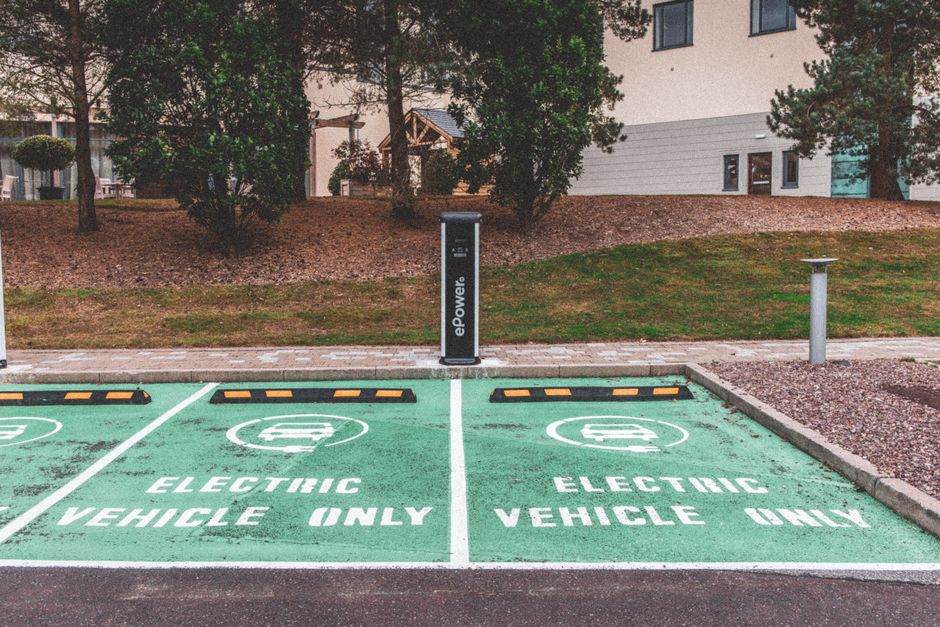
While the benefits of smart parking are numerous, challenges remain. Infrastructure upgrades, data privacy concerns, and the integration of different technologies across cities need careful consideration. Innovators are continually pushing the envelope, with developments like dynamic pricing models and the integration of electric vehicle charging stations in parking facilities. Cities such as Amsterdam are already piloting these combined systems, paving the way for a future where parking is not just a necessity but a part of the holistic urban ecosystem.
Practical Takeaway: Embrace the Technology
For city planners, embracing smart parking solutions is not just about convenience; it’s an essential component of sustainable urban growth. For drivers, leveraging these technologies can make city living more manageable and enjoyable. As we move forward, the integration of advanced parking solutions will continue to enhance the quality of urban life, making cities more livable for everyone.