The Dawn of a New Driving Era
Welcome to 2026, a year where autonomous vehicles are no longer just an innovative concept but a practical reality that’s reshaping our streets. The shift is significant — from singular, curiosity-inducing prototypes to fully operational fleets in our everyday traffic. Major cities like San Francisco, Tokyo, and Berlin are pioneering this transformation, with driverless taxis and buses becoming commonplace. The impact of these autonomous vehicles is as profound as it is exciting, promising not only to change how we travel but also to redefine the very fabric of our urban landscapes.
How We Got Here: A Brief History
The journey to 2026 wasn’t an overnight phenomenon. The seeds of autonomous technology were planted decades ago, nurtured by advancements in artificial intelligence and machine learning. By 2020, companies like Waymo and Tesla had already begun experimenting with self-driving technology, and now in 2026, the technology has matured and become widely accessible. The convergence of improved sensor technology, more reliable AI, and stringent safety regulations have all contributed to making autonomous vehicles a viable mode of transportation.
The Technology Behind the Magic
What makes these vehicles tick? At the heart of autonomous cars lies a suite of complex technologies working in harmony. Lidar systems map the car’s surroundings in real-time, providing a 360-degree view that’s crucial for navigating traffic safely. Machine learning algorithms analyze this data, predicting movements of nearby vehicles and pedestrians. Additionally, vehicle-to-everything (V2X) communication allows these cars to interact with their environment, from traffic lights to each other, ensuring smoother and more efficient traffic flow.
The Social Impact: Changing Urban Dynamics
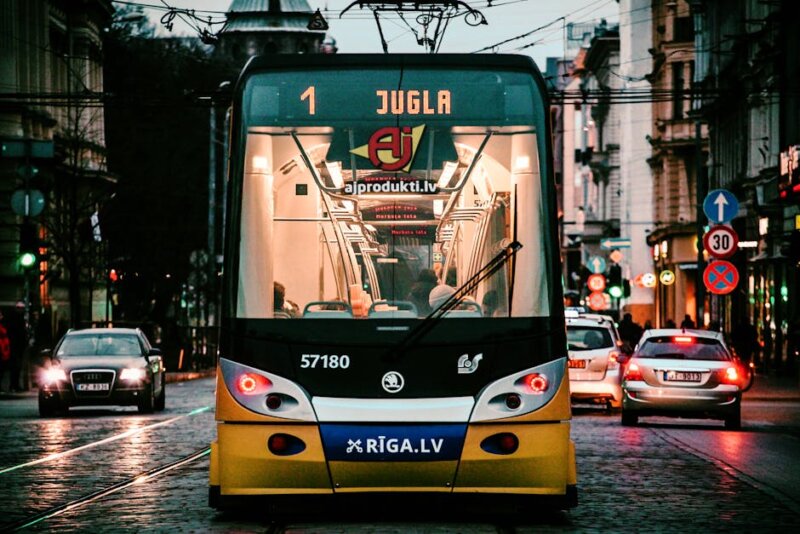
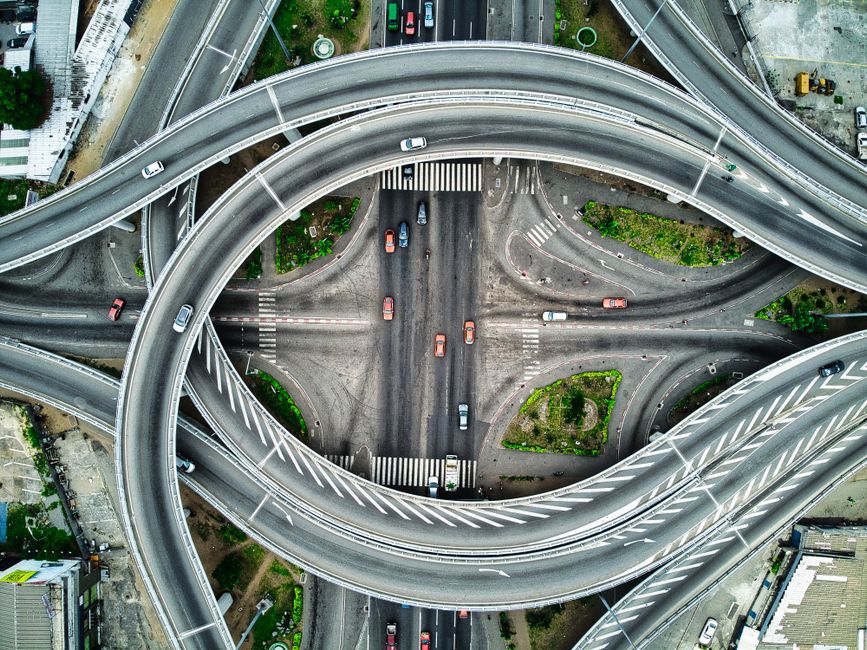
The widespread adoption of autonomous vehicles is more than just a technological leap; it’s a social revolution. The reduction in human error is expected to decrease accident rates significantly, making roads safer for everyone. Moreover, the convenience of driverless taxis and buses is transforming public transportation, offering increased accessibility for those who previously relied on human-driven services. As cities adapt infrastructure to accommodate these vehicles, we’re witnessing a shift towards smarter, more interconnected urban environments.
Environmental and Economic Implications
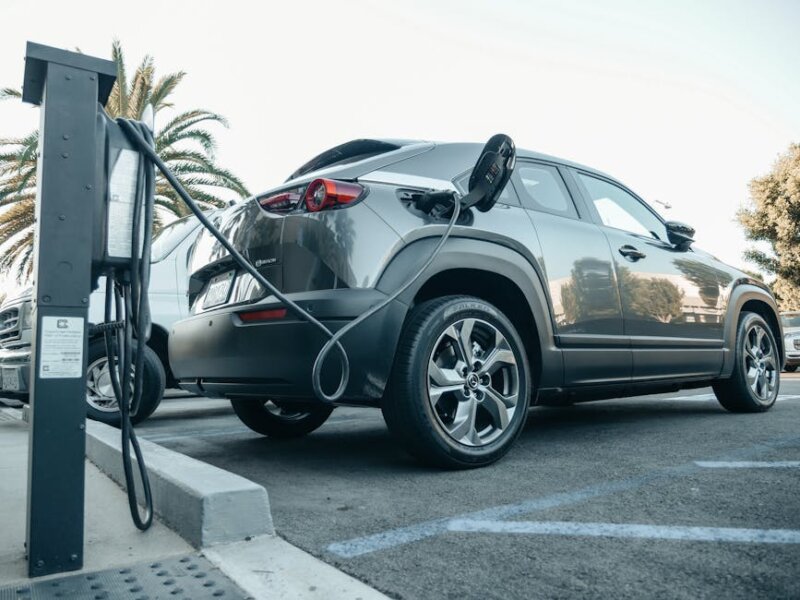
Autonomous vehicles are not just a win for safety and convenience but also for sustainability. Electric-powered fleets of autonomous cars offer a promising reduction in emissions, contributing to global environmental goals. Economically, the rise of these vehicles is fostering new business models and opportunities. Think of the data-driven insights businesses can gain from how people use autonomous services or the rise of tech-driven service industries supporting these vehicles.
What’s Next: The Road Ahead
As we look beyond 2026, the evolution of autonomous vehicles promises further exciting developments. We could see an increase in personalized transportation, where vehicles are not just self-driving but tailored to individual preferences, from interior climate control to entertainment options. Moreover, as legislation catches up with technology, expect more comprehensive regulations that will streamline the integration of these vehicles globally.
The future is autonomous, and 2026 is just the beginning of this thrilling journey. As these vehicles continue to evolve, they promise not only to change how we move from point A to B but also how our cities are structured and how economies function. The takeaway? Embrace the change and get ready to adapt, because the driverless era is here, and it’s here to stay.