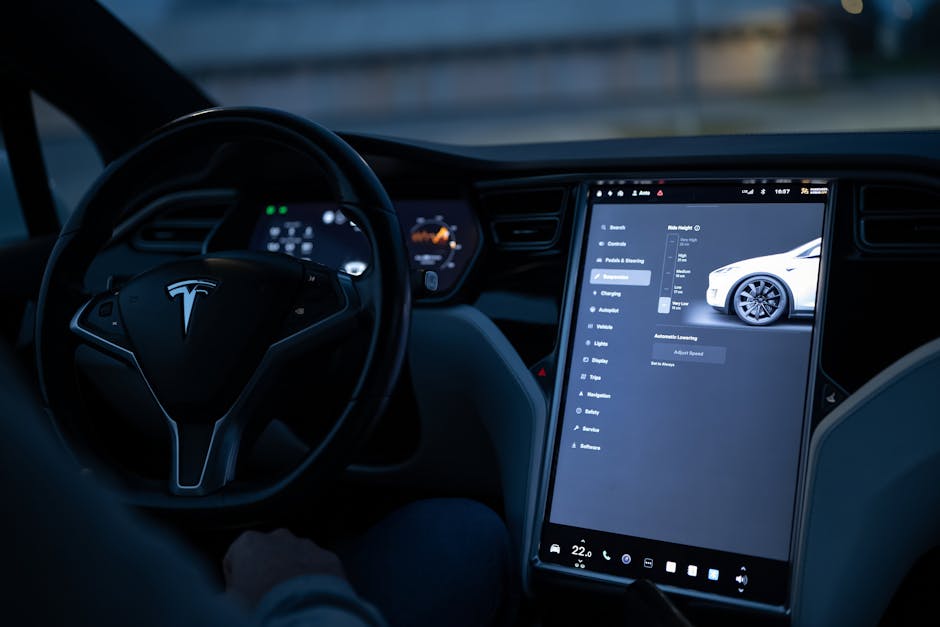
The Rise of the Autonomous Car Pool

Fast forward to 2026, and the way we think about car pools has dramatically shifted. Forget the old-school image of four co-workers crammed into a single sedan, navigating traffic with road rage on the rise. Today’s car pools are sleek, efficient, and largely self-operated. Thanks to the widespread adoption of autonomous vehicles, urban commuting has entered a new era where shared rides are not just economical but also eco-friendly and surprisingly convenient.
The Tech Behind the Trend
At the heart of this transformation is cutting-edge AI technology that powers autonomous vehicles. These AI systems are capable of optimizing routes in real-time, adapting to traffic conditions, and ensuring passengers arrive at their destinations safely and on time. Imagine stepping out of your apartment in the heart of New York City and into an autonomous car pool, which calculates the best route to pick up two other passengers headed in the same direction, all in the space of seconds.
Urban Implementation and Real-World Examples
Some cities are pioneering this revolutionary shift. San Francisco, with its tech-forward mentality, has become a hub for autonomous car pools. The city’s collaboration with tech giants like Waymo and Uber has resulted in a network of self-driving pods cruising its streets. These autonomous vehicles have dedicated lanes, reducing congestion and cutting commute times by a significant margin. This trend is rapidly spreading to other urban centers like Los Angeles and Chicago, which have started to adapt their infrastructure to support the rise of autonomous car pooling.
Environmental and Economic Benefits
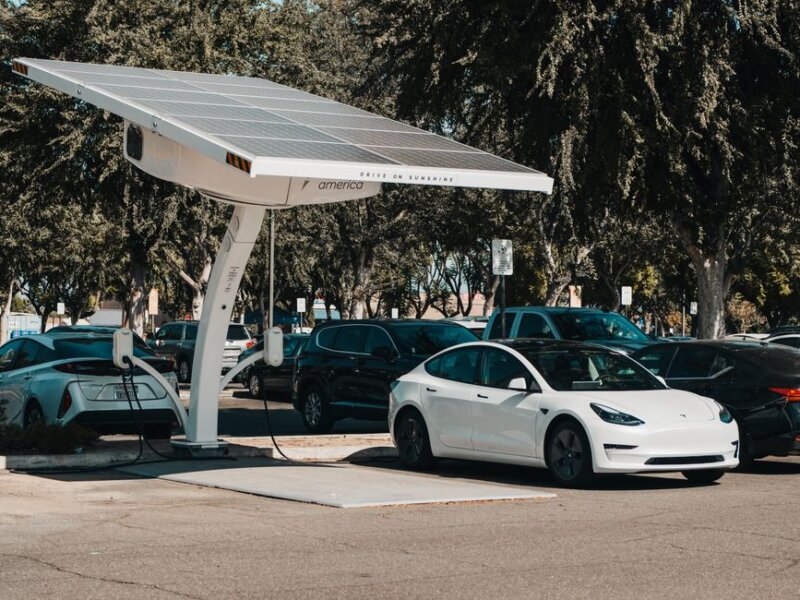
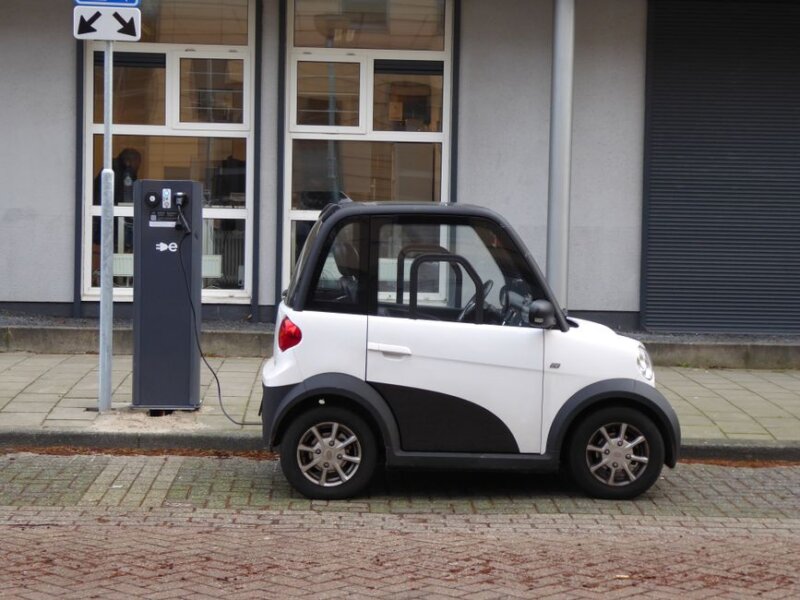
Switching to autonomous car pools has notable environmental benefits. By minimizing the number of individual cars on the road, we’re seeing a reduction in emissions — a critical factor in cities like London, which have been grappling with pollution for years. Economically, the model is proving to be a boon. Commuters are spending less on fuel and maintenance as they share rides, and cities are allocating funds previously earmarked for road expansions to other vital infrastructure projects.
Challenges and Considerations
However, this shift isn’t without its challenges. Privacy concerns are at the forefront, with passengers wary about data collection by these autonomous systems. Moreover, the transition requires significant investment in infrastructure, posing a challenge for cities with limited budgets. There’s also the question of regulatory frameworks — ensuring that these vehicles operate within legal parameters while keeping passenger safety a top priority.
Looking Ahead: The Future of Urban Commutes
As we edge closer to 2027, the transformation of urban commutes through autonomous car pools is poised to become even more pronounced. With technological advancements continuing at a rapid pace and cities worldwide rethinking their urban planning strategies, the journey from home to work might soon become not just a necessity but an enjoyable part of the day. By embracing these changes, we’re setting the stage for smarter, greener, and more connected cities.
Practical Takeaway: If you’re in an urban area, explore options to join or create an autonomous car pool. Not only will you save money and reduce your carbon footprint, but you’ll also contribute to a broader movement towards sustainable urban living.