The Future is Talking: What is V2X?
Imagine driving through downtown Los Angeles during rush hour, when suddenly, your car alerts you to an accident three blocks ahead. You calmly reroute to avoid the jam, saving precious time. This is the promise of Vehicle-to-Everything (V2X) communication—a technology that allows vehicles to communicate with each other and their environment.
V2X is the umbrella term that covers the various forms of communication a vehicle can have, including Vehicle-to-Vehicle (V2V), Vehicle-to-Infrastructure (V2I), Vehicle-to-Pedestrian (V2P), and more. In 2026, the implementation of V2X is transforming how we navigate roads, making driving not just more efficient but also significantly safer.
How Does V2X Communication Work?
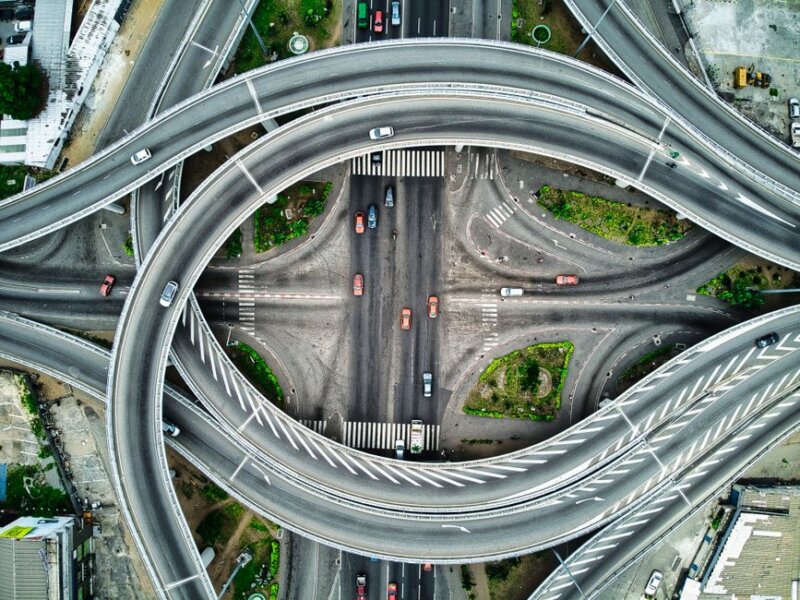
At its core, V2X uses wireless communication to transmit information between vehicles and infrastructure. With the advent of 5G, the data exchange is swift and reliable, allowing real-time updates. Imagine your car receiving data from traffic lights, road signs, and even crosswalks. This interconnectedness is reshaping urban mobility.

The technology relies on dedicated short-range communications (DSRC) and cellular networks. Essentially, your car is continuously sending and receiving data packets. These can include information on speed, location, and direction, which can be shared with nearby vehicles to prevent collisions.
The Benefits of V2X: More Than Just Safety
1. Enhanced Safety: According to recent studies, V2X communication could potentially reduce non-impaired crashes by up to 80%. By alerting drivers to potential hazards and providing early warnings, accidents can be significantly minimized.
2. Improved Traffic Flow: With V2X, traffic signals can adjust in real-time based on current road conditions, reducing congestion. In cities like New York and San Francisco, early adopters of V2X infrastructure have already reported a decrease in city-wide traffic jams by nearly 30%.
3. Environmental Impact: Smoother traffic flow results in less idling, which in turn reduces emissions. Cities are expected to see a reduction in carbon emissions by up to 15% as V2X becomes more widespread.
The Challenges Ahead: What’s Stalling V2X?
Despite its promise, V2X technology comes with its share of challenges. One of the primary hurdles is standardization. With multiple stakeholders involved—from car manufacturers to telecom companies—a unified protocol is essential for seamless communication across different systems.
Privacy concerns also loom large. With vehicles constantly transmitting data, ensuring that this information is secure and used appropriately is paramount. The automotive industry is collaborating with cybersecurity experts to address these potential vulnerabilities.
Adoption and Implementation: Where Are We Now?
In 2026, countries like Japan and Germany are leading the charge with extensive V2X integration across major urban centers. The U.S. is catching up, with cities like Chicago and Seattle rolling out pilot programs. According to the U.S. Department of Transportation, over 50% of new vehicles are expected to come equipped with V2X capabilities by the end of 2027.
Public-private partnerships are proving crucial in accelerating V2X deployment. For instance, Audi and the City of Las Vegas collaborated on a V2I project, resulting in significant reductions in travel times during peak hours.
The Practical Takeaway: What This Means for Drivers
For everyday drivers, the rise of V2X means a shift towards more intuitive and predictive driving experiences. Your vehicle will be more like a co-pilot, offering insights and suggestions in real-time. While current adoption is primarily in urban areas, suburban and rural implementation is on the horizon.
As we move towards 2027, drivers can look forward to an era where cars are not just modes of transport but active participants in creating safer and smarter roads. Embrace the change; the future is not just about getting from point A to B, but doing so with intelligence and ease.