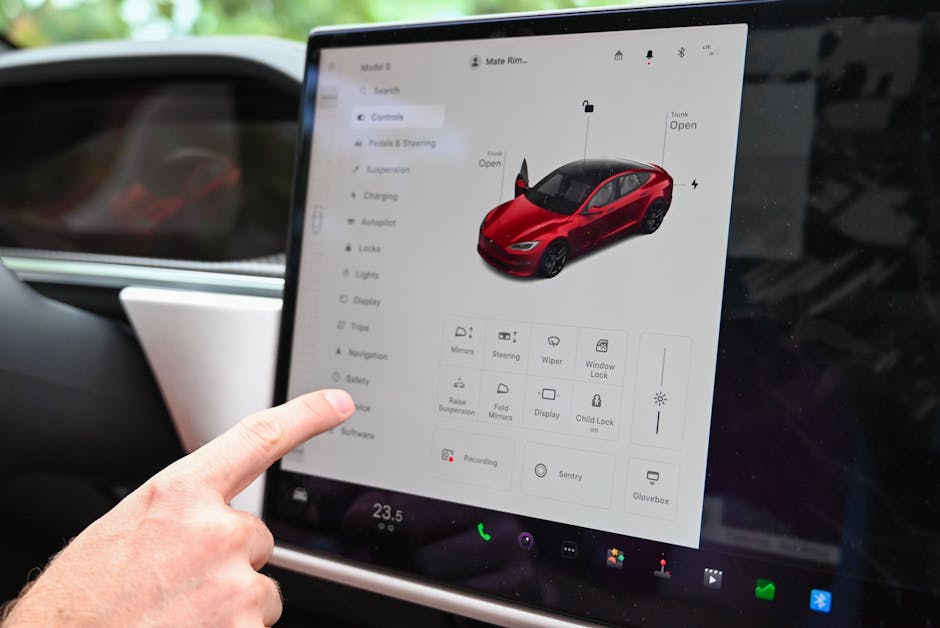
The Evolution of the Automobile Interface

The automobile industry has seen a paradigm shift in the way vehicles interact with their users. In 2026, the concept of a car as a mere transportation vehicle has evolved into an integrated digital experience. As tactile buttons make way for touchscreens and voice-activated controls, car manufacturers are racing to outdo each other in crafting the ultimate user interface.
Touchscreen Takeover
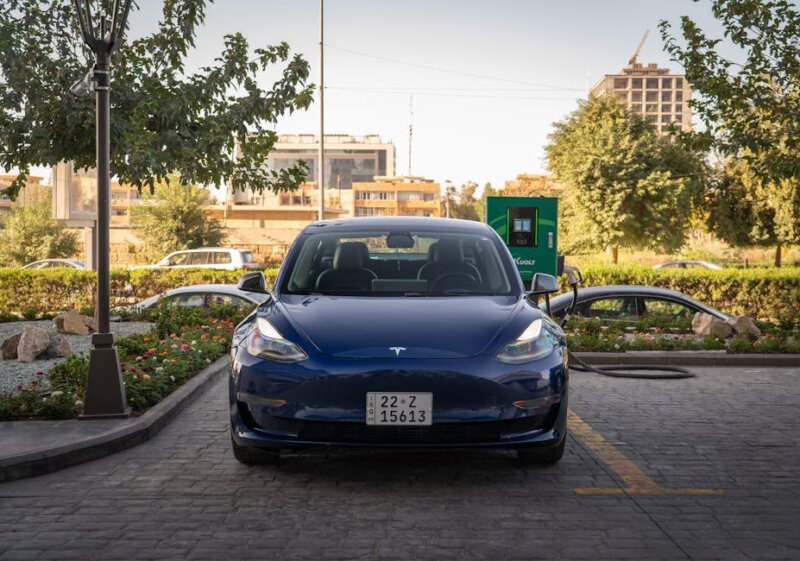
Gone are the days when a car’s dashboard was cluttered with an assortment of buttons. In 2026, touchscreens dominate the cockpit. Tesla’s Model 3 had an early lead with its central touchscreen, but now brands like BMW, Mercedes-Benz, and even Toyota have embraced this trend. These screens do more than just display information; they are central hubs connecting drivers to their vehicle’s ecosystem. From adjusting climate controls to customizing navigation routes, touchscreens offer an unprecedented level of interactivity.
Take the Mercedes-Benz EQS, for instance. Its Hyperscreen stretches across the dashboard, providing a seamless flow of information between driver and passenger. Advanced haptic feedback ensures that drivers can ‘feel’ their way through menus, reducing the need to take their eyes off the road.
Voice Control: Talk, Don’t Touch

While touchscreens are impressive, voice control systems have taken functionality to the next level. As artificial intelligence (AI) becomes more sophisticated, voice assistants in cars are growing smarter and more intuitive. From setting a destination in the GPS to controlling in-car entertainment, these AI-driven assistants are transforming our interaction with our cars.
For example, Ford’s Sync 4 system uses machine learning to predict driver preferences, thus offering suggestions on the go. This system can recognize different voice commands, making it a breeze to operate while driving. It even learns from the driver’s habits, improving its responsiveness over time.
Augmented Reality: Navigating the Future
Augmented reality (AR) has entered the automotive lexicon, primarily through heads-up displays (HUDs). In 2026, AR navigation systems project directions directly onto the windshield, overlaying real-world views with digital cues. This allows drivers to keep their eyes on the road while receiving pertinent navigation information.
Porsche’s Taycan, for example, utilizes an AR HUD that displays turn-by-turn navigation, speed limits, and hazard warnings right in front of the driver’s line of sight. This innovation not only enhances safety but also adds a futuristic edge to the driving experience.
Customizable Interfaces: Personalize Your Ride
In 2026, personalization is key. Cars are offering more ways for drivers to tailor their in-car environment to their liking. By using driver profiles, vehicles can adjust seating, mirror positions, and interface settings based on the individual who’s driving. This level of customization extends to digital interfaces, where drivers can choose themes, widgets, and even app layouts.
Volvo’s latest models allow drivers to configure their instrument clusters and infotainment systems via a smartphone app. This means that before stepping into the car, the driver’s preferences are already set up, creating a seamless transition from home to vehicle.
The Practical Takeaway
As cars continue to evolve in 2026, the driving experience becomes more about interaction than mere transportation. Touchscreens, voice controls, augmented reality, and customizable interfaces are just the tip of the iceberg. These changes aren’t just cosmetic; they enhance safety, efficiency, and personalization. For consumers, this means a more connected, intuitive, and enjoyable driving experience tailored to individual needs and preferences.