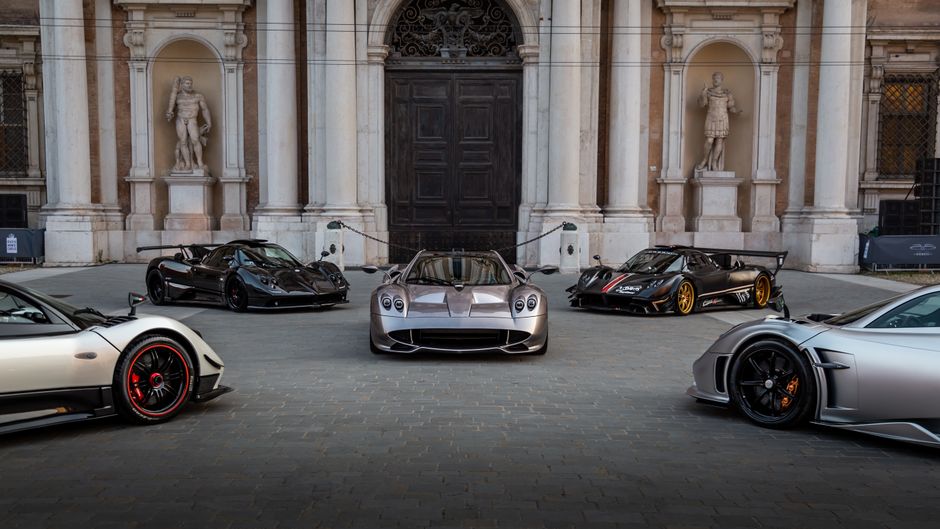
The Surge of Electric Hypercars
In the last few years, electric hypercars have surged ahead, leaving traditional combustion engines in their wake. With advancements in battery technology and aerodynamics, manufacturers are pushing boundaries, creating vehicles capable of mind-boggling speeds. In 2026, we’re not just witnessing a shift; we’re experiencing a complete reimagining of what high-performance cars can do.
Take the Rimac Nevera, for example. It’s a beast that can accelerate from 0 to 60 mph in under two seconds. The Nevera is not just fast; it’s a symbol of the electric revolution in motorsport, showcasing what can be achieved without a drop of gasoline.
Technological Innovations Driving Change
Several technological innovations have fueled this transformation. Battery efficiency and energy recovery systems have reached unprecedented levels, allowing electric hypercars to deliver sustained high performance. With brands like Tesla, Lucid, and Lotus investing heavily in battery research, these cars are continuously breaking new ground.
Moreover, lightweight materials such as carbon fiber composites enhance performance by reducing weight without compromising strength. This innovation allows hypercars to attain incredible speed while maintaining impressive structural integrity.
The Track Experience: Electric vs. Combustion
Racing enthusiasts often debate the visceral experience of traditional engines versus the silent, instant torque of electric motors. However, electric hypercars bring a new kind of thrill to the track. Their instantaneous power delivery offers a different yet equally exhilarating experience.
Tracks like the Nürburgring Nordschleife are adapting to this shift. Electric hypercars are setting records, and the famous circuit now includes specialized charging stations to accommodate their needs. The shift towards electric hasn’t diminished the passion of racing; it’s simply evolving it.
Environmental Impact and Sustainability
The environmental benefits of electric hypercars are significant. With zero emissions, they offer a sustainable alternative to traditional motorsport. This shift is crucial as motorsport organizations confront the increasing need for eco-friendlier practices.

Formula E, the electric motorsport championship, exemplifies this movement. It has gained popularity as fans appreciate its commitment to sustainability without sacrificing excitement. This trend hints at a future where all races could be free from fossil fuels.
The Future of Motorsport
Looking ahead, electric hypercars are likely to dominate the motorsport scene even further. As technology continues to improve, we can expect even faster, more efficient models to emerge. Motorsport itself is set to evolve, with electric vehicles taking center stage in both innovation and competition.
Manufacturers are already working on the next generation of electric hypercars, focusing on perfecting energy storage and enhancing the driving experience. By 2027, these advancements might make current models seem like relics from the past.
The world of motorsport is on the brink of a new era. Electric hypercars are not just a trend; they are the future.