Introduction: The New Era of Traffic Management
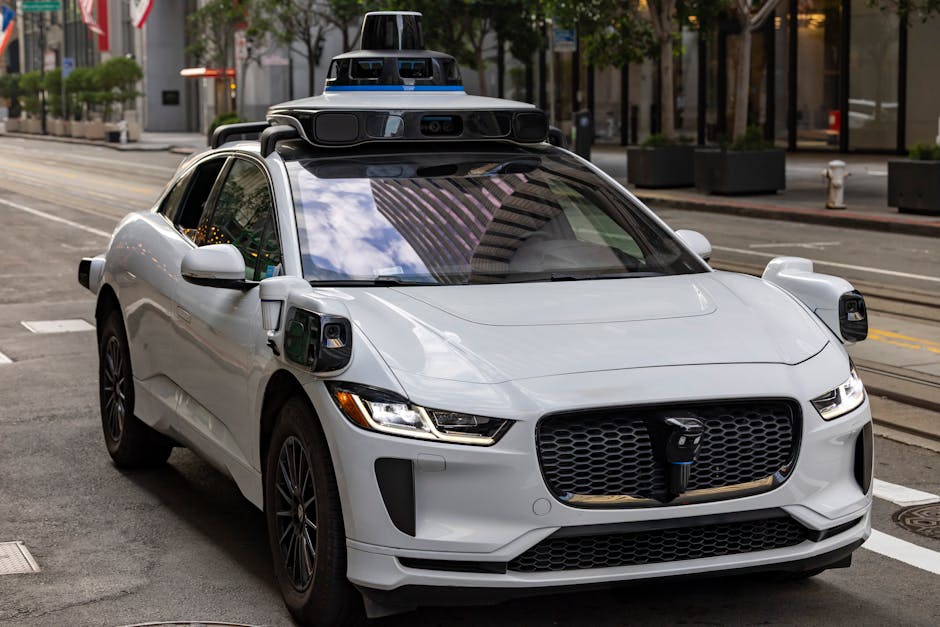
The roads of 2026 bear witness to a transformative shift in traffic dynamics, thanks to the integration of autonomous vehicles. What was once the stuff of science fiction has become our daily reality, and it’s not just about convenience. The advent of self-driving technology is significantly altering how traffic flows through our cities, promising a future of less congestion and more efficient travel.
Adaptive Traffic Lights: A Beacon of Efficiency
Remember the days of being stuck at a red light with no cars in sight? Those may soon be a thing of the past. In 2026, adaptive traffic lights have become commonplace in urban centers like San Francisco and Tokyo. These intelligent systems communicate with autonomous vehicles to optimize traffic flow. By adjusting their cycles in real-time based on current traffic conditions, they reduce wait times and minimize unnecessary stops.
For example, in Los Angeles, adaptive traffic lights have decreased traffic delays by up to 40%. This has not only improved commuter satisfaction but also cut down on emissions, contributing to cleaner air.
The Role of V2I Communication
Vehicle-to-Infrastructure (V2I) communication is at the heart of this revolution. Autonomous cars are equipped with technology that enables them to exchange data with traffic management systems, roadside units, and even parking meters. This constant stream of information allows for a synchrony that ensures smoother traffic flow.
In Amsterdam, a pilot project with V2I has shown promise. By informing vehicles of upcoming traffic conditions and potential hazards, the city witnessed a 30% reduction in sudden braking events, significantly improving road safety.
Platooning: The Ultimate Carpool
Autonomous vehicle platooning is another innovation gaining traction in 2026. Picture a convoy of self-driving vehicles cruising together, maintaining close distances at high speeds. This concept is not just about efficiency but also about safety. By traveling in tight formations, these vehicles reduce air resistance and improve fuel efficiency.
In Sweden, long-haul truck platoons have already demonstrated fuel savings of up to 15%. For passenger vehicles, this means quicker commutes and lower travel costs. As more cities experiment with this technology, the potential impact on urban traffic congestion is promising.
Dynamic Toll Systems: Paying for Congestion Relief

The concept of dynamic toll systems is also gaining momentum. These systems charge varying toll rates based on traffic conditions, encouraging drivers to travel during off-peak times. For autonomous vehicles, which can plan routes more effectively, dynamic toll systems offer a way to further optimize traffic flow.
Singapore has been a pioneer in this regard, implementing a dynamic toll system that adapts to real-time traffic data. By strategically diverting traffic, the city has reduced congestion by 25% during peak hours.
The Human Element: Navigating Change
While technology drives these innovations, it’s essential to recognize the human aspect of this transition. Public acceptance is crucial, and there are still hurdles to overcome, from legal frameworks to ethical considerations.
Education and awareness campaigns have become pivotal in 2026, with cities like Berlin hosting forums and workshops to help citizens understand and embrace these changes. As we look ahead, the collaboration between humans and machines will define the success of autonomous traffic management.
Practical Takeaway: Embracing the Future
The integration of autonomous vehicles into our traffic systems offers a glimpse into a future of seamless, efficient travel. For commuters, this means less time spent on the road, more predictability, and a reduced environmental footprint. As cities continue to adapt and implement these technologies, the potential benefits for urban life are immense. The future of traffic flow is not just about faster journeys, but about creating a harmonious balance between technology and our everyday lives.