Hydrogen: The Underdog of Alternative Fuels
In the world of automotive innovation, hydrogen fuel cell vehicles (FCVs) have long lingered in the shadows of their more popular electric counterparts. Yet, as 2026 unfolds, hydrogen cars are stepping into the spotlight, promising a cleaner and more efficient way to drive. With major players like Toyota, Hyundai, and even newcomers entering the fray, the hydrogen revolution is more than just a whisper—it’s the new reality.
Why Hydrogen? Understanding the Appeal
It’s easy to wonder why hydrogen has suddenly gained traction. The answer lies in its potential to offer greater range and faster refueling times compared to battery electric vehicles (BEVs). For instance, the latest Toyota Mirai boasts a range of over 400 miles on a single tank, with refueling taking as little as five minutes. This convenience is hard to overlook in the realm of alternatives to gasoline.
Moreover, hydrogen cars emit nothing but water vapor, making them a key player in the drive towards zero emissions. With growing environmental regulations worldwide, this clean output is increasingly attractive to both regulators and eco-conscious consumers alike.
Infrastructure: The Road Yet to Be Paved
One of the major hurdles that hydrogen cars have faced is the lack of infrastructure. However, 2026 has seen significant progress in this area. Countries like Germany, Japan, and the United States are leading the charge, with plans to expand hydrogen station networks immensely. As of now, California alone has over 200 refueling stations, and Europe is aiming for nearly 1,000 by the end of the year. This rapid expansion is crucial for the viability of FCVs and their integration into everyday life.
Government and Industry: A Symbiotic Relationship
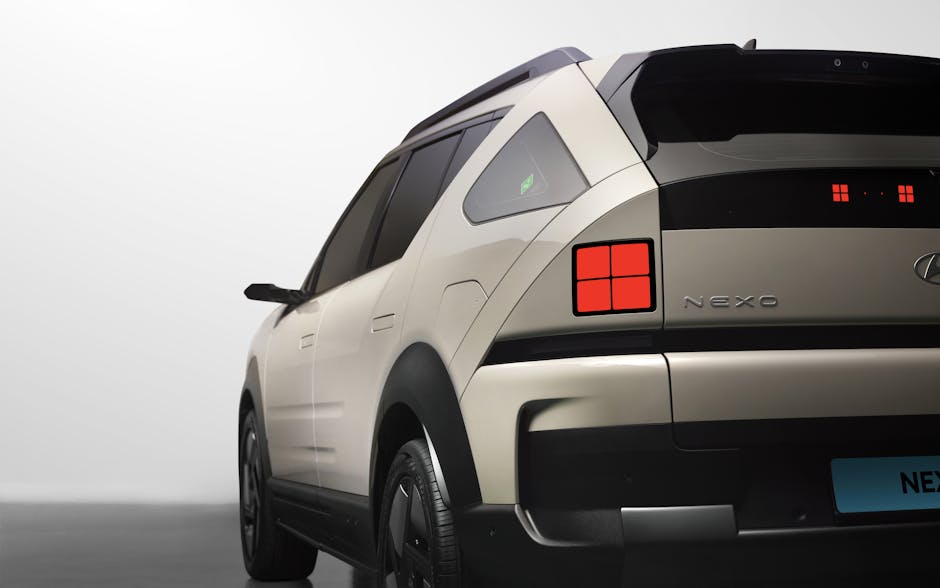
Government support has played a pivotal role in this hydrogen shift. Incentives, subsidies, and R&D funding have been instrumental in reducing costs and encouraging development. For example, Japan has poured millions into hydrogen projects, aiming to position itself as a global leader in hydrogen technology. Simultaneously, automotive giants are investing heavily to improve hydrogen technology. Hyundai’s NEXO, for example, has received praise for its advanced design and efficiency, creating a benchmark for future development.
Challenges and Criticisms: The Roadblocks Ahead
Despite its promising outlook, hydrogen fuel still faces criticism and challenges. Critics point to the energy-intensive process of hydrogen production, which often involves natural gas, making it not entirely green. However, with advancements in green hydrogen—produced using renewable energy sources—there’s hope for a more sustainable solution.
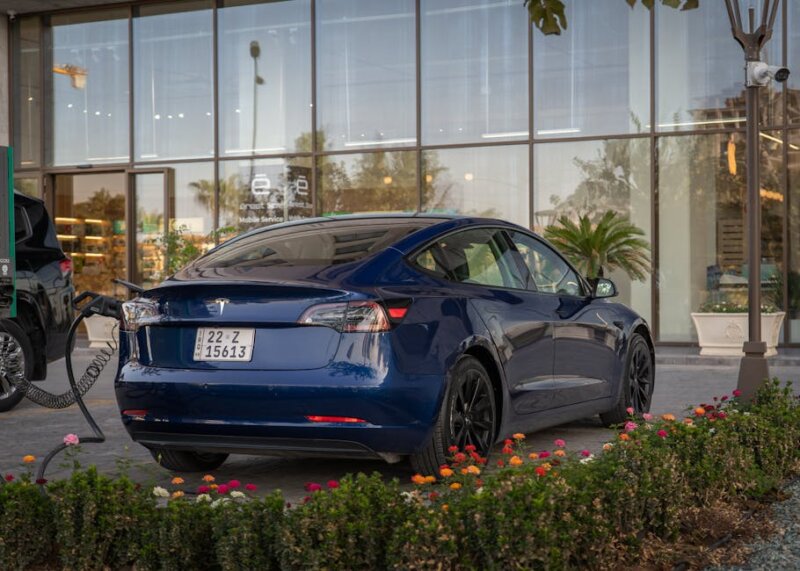
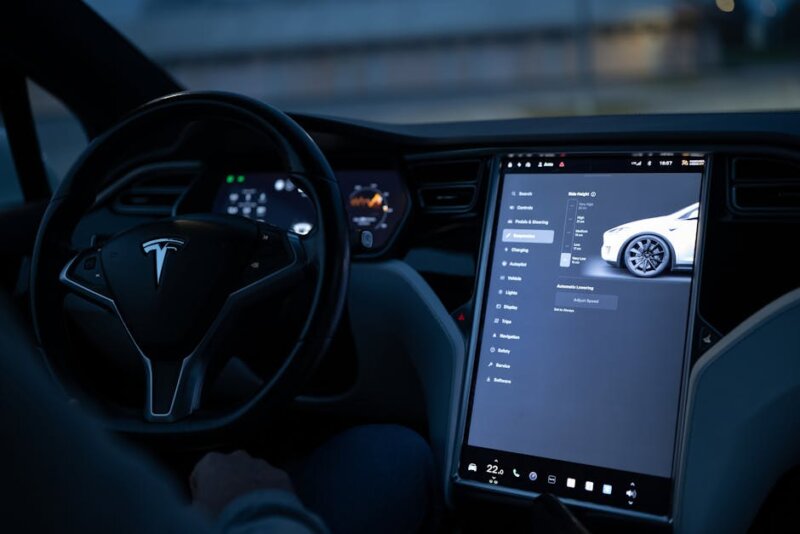
Moreover, the competition from electric vehicles remains fierce. With companies like Tesla and Rivian constantly pushing the envelope in EV technology, hydrogen cars must continue to innovate to carve out their niche.
Practical Takeaway: Is Hydrogen the Future?
For consumers, the choice between electric and hydrogen vehicles will largely depend on infrastructure availability, personal driving needs, and environmental considerations. While battery electric vehicles continue to dominate urban areas due to their well-established networks, hydrogen’s potential lies in longer commutes and commercial applications.
As we drive into 2027, hydrogen fuel cell vehicles offer an exciting glimpse into a sustainable future where technology and ecology work hand in hand. Whether or not they become the mainstay of automotive travel, they undoubtedly pave the way for a more diverse and robust clean energy landscape.