The Dawn of Smart Roads
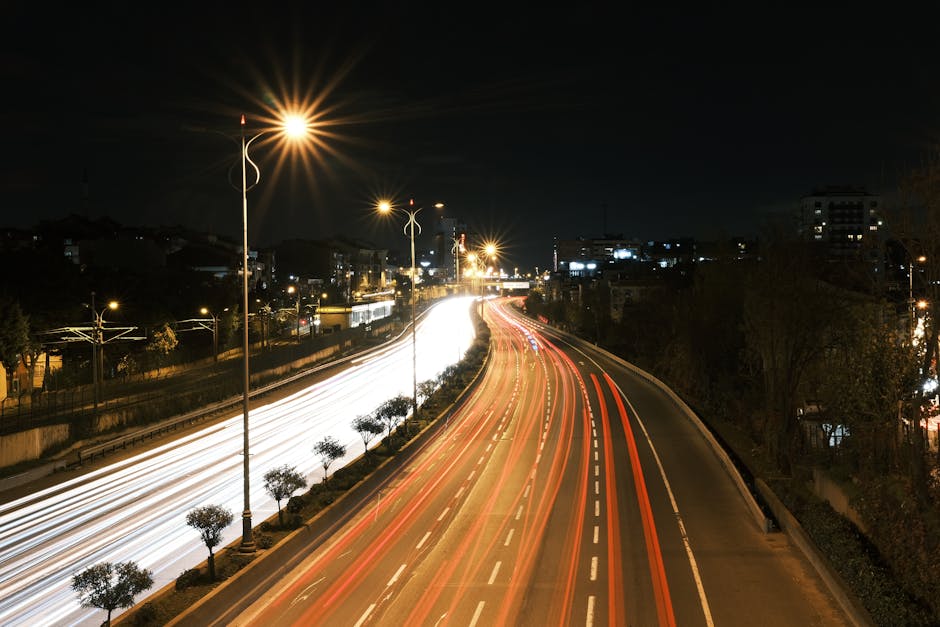
As we cruise through 2026, the roads beneath our tires are more than just asphalt paths connecting point A to B. They’re transforming into smart, interconnected systems designed to enhance safety, efficiency, and the driving experience. Imagine highways that communicate with your car, adjusting speed limits in real-time based on traffic and weather conditions. Welcome to the era of intelligent highways.
The Role of Technology in Smart Roads
At the heart of smart roads are technologies such as IoT sensors, artificial intelligence, and advanced data analytics. These innovations work in concert to monitor road conditions, traffic flows, and environmental factors. Consider the M1 in the UK, now equipped with sensors that detect and alert authorities to potholes before they grow into larger problems. Similarly, the I-5 in California boasts digital signage that updates drivers on upcoming congestion and alternative routes.
Safety First: Reducing Accidents and Fatalities
Smart roads aim to significantly reduce the number of road accidents. With vehicle-to-infrastructure (V2I) communication, cars can receive real-time alerts about hazards ahead, such as sudden braking by other drivers or debris on the road. Take the E4 highway in Sweden, for instance, where V2I technology has successfully lowered accident rates by 15% over the past year.
Green Roads: Environmental Benefits

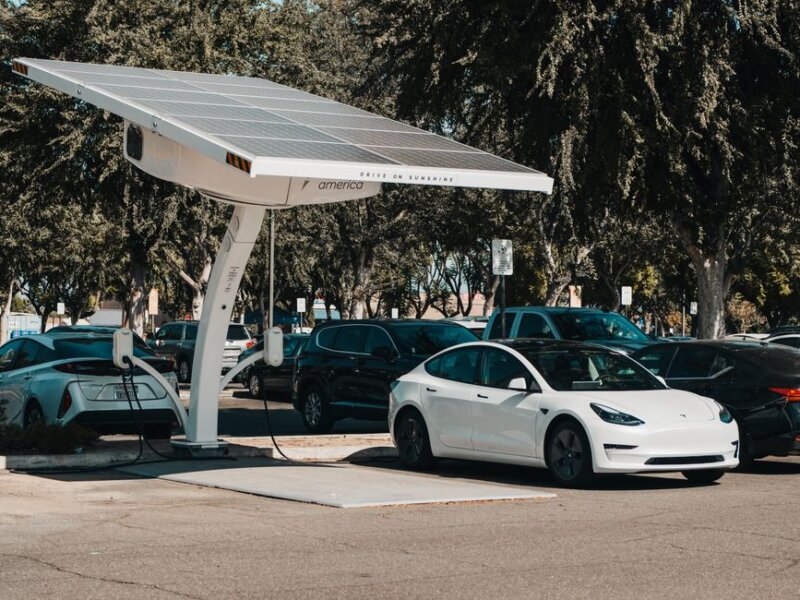
Intelligent highways are also paving the way for a greener future. Smart roads can integrate solar panels to power streetlights and even electric vehicle charging stations. Projects like the Solar Roadways in Idaho are pioneering these initiatives, demonstrating how roads can double as renewable energy sources.
Challenges and Future Prospects
Despite the promise, developing smart roads is not without challenges. High costs and infrastructure upgrades pose significant hurdles. However, the potential benefits—improved traffic management, reduced emissions, and enhanced safety—make these investments worthwhile. Looking ahead, collaborations between tech companies, government bodies, and automotive manufacturers will be crucial to overcoming these obstacles.
What This Means for Drivers
For motorists, the advent of smart roads means a more seamless and enjoyable driving experience. No more guessing which lane to be in or getting stuck in a traffic jam without prior warning. Instead, you’ll have a smoother journey, guided by the collective intelligence of connected infrastructure.
Takeaway for 2026: The roads of tomorrow are here, and they’re smarter than ever. As we continue to innovate, the journey will only get smoother, safer, and more efficient. It’s time to embrace the future and enjoy the ride.