The Evolution of Car Manufacturing

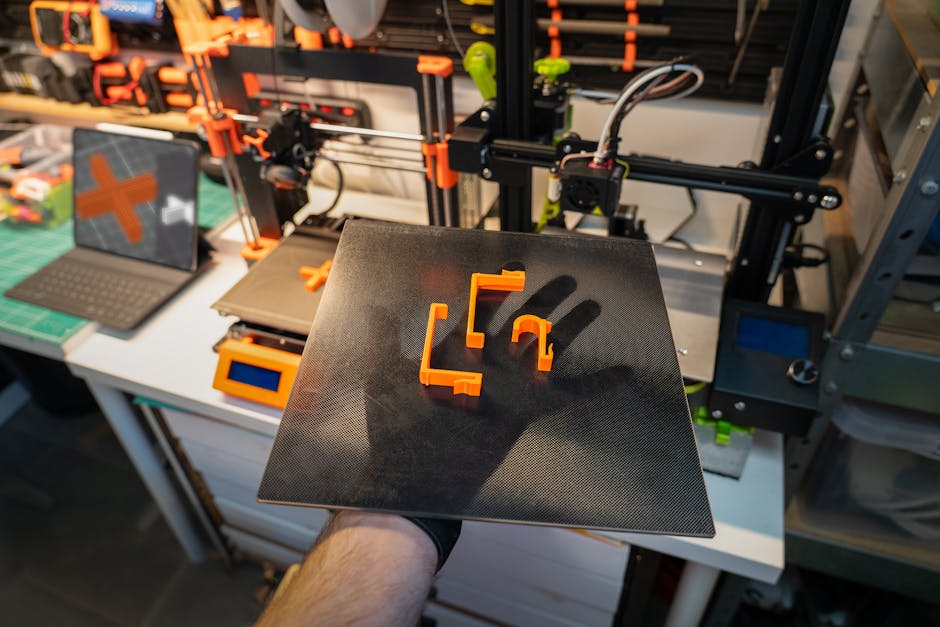
The automotive industry in 2026 is unrecognizable from what we had just a few years ago, thanks primarily to the influence of 3D printing. These futuristic machines are no longer simply tools for prototyping. Instead, they have become integral to the manufacturing process, allowing carmakers to push the limits of design and efficiency. Once relegated to small parts and models, 3D printing now enables the creation of entire car bodies and complex mechanical components with a precision that traditional methods can’t match.
Unmatched Customization and Personalization
Imagine ordering a vehicle that truly reflects your personality and style. With 3D printing, not only is this possible, but it’s becoming increasingly affordable. Carmakers can offer customers the chance to tailor their vehicles with unique designs, colors, and textures that were previously out of reach due to cost and complexity. From bespoke dashboards to intricate wheel designs, 3D printing makes personalization a cost-effective option for consumers who want their cars to be as unique as they are.
Reducing Waste and Improving Sustainability
Environmental concerns have always been paramount in automotive manufacturing, and 3D printing is contributing significantly to the industry’s sustainability efforts. Traditional manufacturing methods often involve a lot of waste, but 3D printing minimizes this by using only the necessary materials to create each component. Additionally, many of the materials used are recyclable or biodegradable, further reducing the environmental footprint. This not only helps carmakers meet stringent emissions targets but also appeals to eco-conscious consumers looking for greener options.
Speeding Up Production and Innovation
One of the greatest advantages of 3D printing in car manufacturing is the ability to rapidly prototype and test new designs. This speed translates into quicker innovation cycles and faster time-to-market for new models. Manufacturers can print out new parts overnight and have them tested on the track the next day, allowing for swift adjustments and improvements. This agility is a game-changer, enabling companies to respond to market trends and consumer demands with unprecedented speed.
Challenges and the Road Ahead
While the benefits of 3D printing in car manufacturing are clear, challenges remain. The technology is still developing, and the high costs of advanced 3D printers and raw materials can be prohibitive for smaller manufacturers. Additionally, quality control remains a significant hurdle, as ensuring each part meets rigorous safety and performance standards is crucial. However, as technology advances and becomes more cost-effective, these challenges will likely diminish, opening new opportunities for even more revolutionary changes in car design and manufacturing.
Takeaway: Embrace the Future
For consumers and manufacturers alike, the message is clear: 3D printing is not just a trend, but a fundamental shift in how cars are designed and produced. As more companies adopt this technology, the possibilities for innovation, customization, and sustainability are virtually limitless. Whether you’re a car enthusiast, a prospective buyer, or an industry insider, the advancements in 3D printing technology are something to keep an eye on in the coming years.