The Solar Surge: Why Now?
As we steer deeper into 2026, solar-powered cars are no longer just a futuristic concept. They’re parked in driveways, traversing highways, and featured in car shows globally. The push towards renewable energy has accelerated, with solar technology at the forefront. What sparked this surge? It’s a blend of technological breakthroughs, environmental consciousness, and consumer demand for sustainable alternatives.
In the past, solar cars were limited by efficiency and practicality issues. But recent advancements have led to solar panels with higher efficiency rates and reduced weight. According to a 2025 report by the International Energy Agency, solar panel efficiency has increased by over 25% in the last five years, making them a viable power source for vehicles.
Game-Changing Technologies
Solar cars aren’t just about slapping a few panels on the roof. It’s a symphony of innovative technologies working in harmony. We’ve seen the rise of integrated photovoltaic cells that seamlessly blend into the car’s design without compromising aesthetics or aerodynamics. Companies like Lightyear and Aptera have led the charge, showcasing cars that can cover more than 40 miles of solar-driven range per day under optimal conditions.
Moreover, modern solar vehicles are equipped with smart energy management systems. These systems optimize energy usage, ensuring that every ray of sunlight is put to good use, whether charging the battery or powering the air conditioning on a hot summer day in Tucson.
Economic Impacts: More Than Just Savings on Fuel
Investing in solar-powered cars isn’t just about saving on gas bills. It’s about a broader economic impact. With the cost of solar panels dropping by 50% since 2020, mass production has become more feasible. This shift has birthed new industries and jobs, from manufacturing to maintenance of these high-tech vehicles.
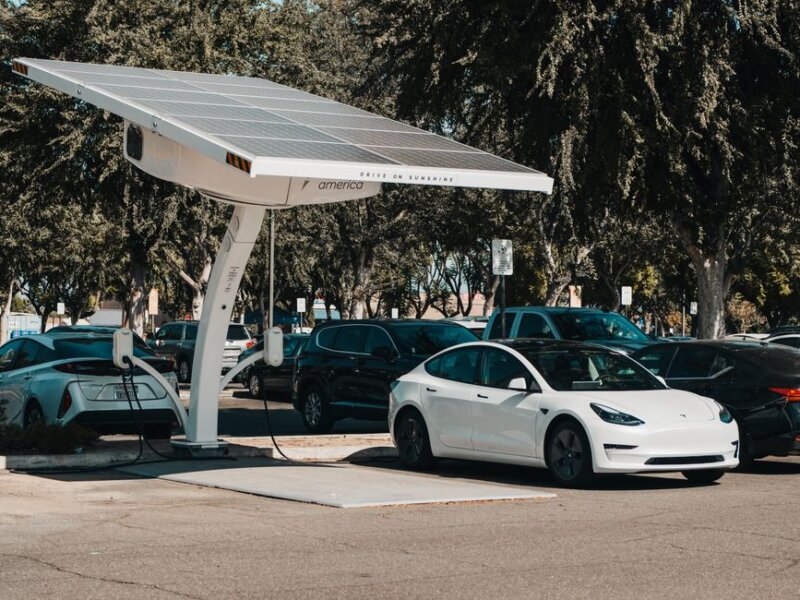
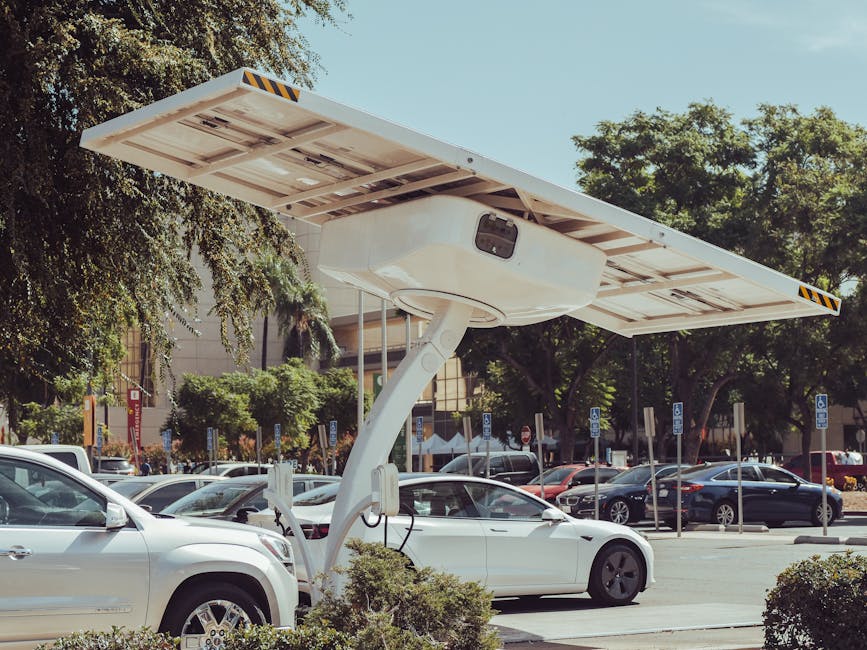
Furthermore, governments worldwide are incentivizing solar car adoption. Countries like Germany and the Netherlands provide tax breaks and rebates, which has significantly boosted market penetration. In the US, states like California are pioneering solar infrastructure, with dedicated solar charging stations cropping up along major routes like Route 66.
Challenges on the Horizon
Despite the rosy outlook, solar cars face hurdles. The initial cost remains a barrier for many consumers, with prices starting around $30,000 for basic models. Although technology is progressing, solar cars still require support from traditional charging methods on cloudy days or during long-distance drives.

The integration of solar infrastructure in urban areas is also lagging. Cities like New York or Tokyo, with dense populations, face logistical challenges in installing rooftop chargers or solar parking lots.
The Path Forward: What to Expect by 2027
Looking ahead, the solar car market is poised for explosive growth. Analysts predict a market expansion of up to 35% annually as more players enter the field. By 2027, we could see solar-powered models from all major car manufacturers, each boasting unique innovations in energy capture and efficiency.
Moreover, partnerships between tech firms and automakers will likely accelerate advancements, making solar cars more accessible and versatile. Imagine a world where a day’s worth of sun propels your car for 100 miles, a reality that’s not far off.
In 2026, solar cars are no longer just the vehicles of the eco-conscious; they’re becoming everyday choices for families, commuters, and adventurers alike. As solar technology continues to brighten, the prospect of a cleaner, more sustainable future seems not only possible but probable. If you’ve ever thought about harnessing the power of the sun for your daily drive, now’s the time to consider the switch.