The Autonomous Revolution in Urban Transit
It’s 2026, and the future of public transportation isn’t just about efficiency—it’s about autonomy. As cities around the globe wrestle with congestion, pollution, and the demands of a growing population, many have turned to autonomous public transport as the solution to their urban woes. The quest for seamless and sustainable mobility solutions has put five cities at the forefront of this transportation revolution.
1. Tokyo, Japan
Famed for its advanced technology and punctual trains, Tokyo is leading the autonomous charge with its recent launch of AI-driven buses and trains. These smart vehicles seamlessly integrate with existing transit systems, ensuring that the city’s 37 million residents experience minimal disruption. Tokyo’s autonomous buses, equipped with state-of-the-art sensors and GPS technology, navigate the bustling streets with precision, providing real-time traffic updates and rerouting capabilities.
What’s truly remarkable is the synergy between autonomous transport and the city’s infrastructure. The government has invested heavily in upgrading road signs, traffic lights, and pedestrian crossings to communicate directly with autonomous vehicles, showcasing a holistic approach to urban mobility.
2. Helsinki, Finland
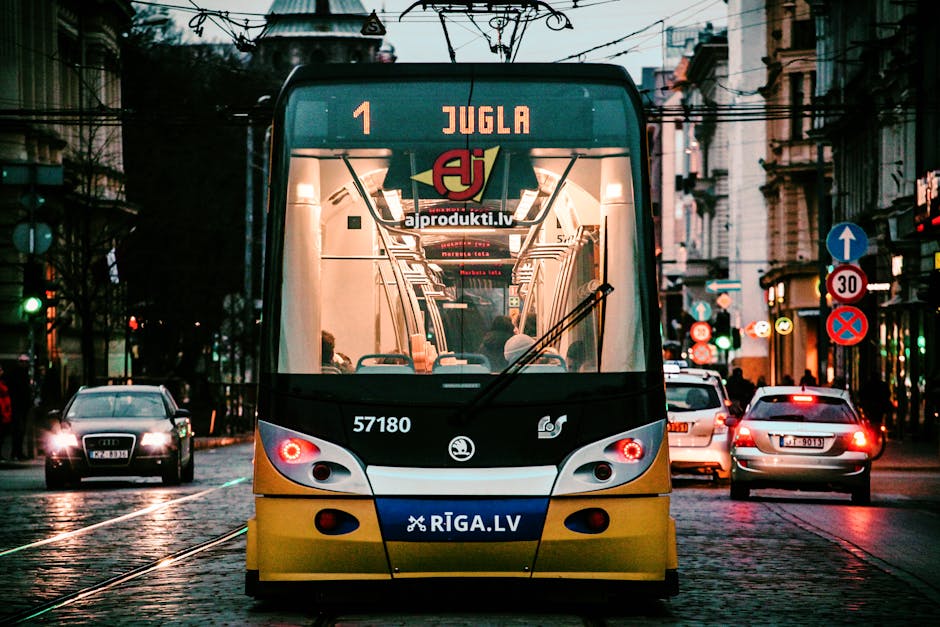
With a focus on sustainability, Helsinki has emerged as a pioneer in eco-friendly autonomous public transport. The city introduced a fleet of self-driving electric trams that glide quietly through its scenic streets. These trams are powered by renewable energy sources, reducing the city’s carbon footprint significantly.
In addition to trams, Helsinki’s autonomous shuttle service connects remote suburbs to the city center, ensuring accessibility for all residents. The integration of AI algorithms allows these shuttles to adjust routes based on passenger demand, optimizing efficiency and reducing wait times.
3. San Francisco, USA
The tech hub of the United States, San Francisco, has embraced autonomous transport with open arms. The city’s self-driving electric buses are a common sight on its iconic streets, offering a reliable and eco-friendly alternative to traditional buses. These autonomous vehicles are equipped with advanced lidar and radar systems, ensuring they can navigate the city’s infamous hills and ever-changing traffic conditions.
In a bid to improve accessibility, San Francisco has also introduced autonomous bike-sharing programs. These bikes self-deploy to high-demand areas, providing residents with a convenient last-mile transportation option.
4. Singapore
Singapore’s commitment to becoming the world’s first ‘smart nation’ is evident in its adoption of autonomous public transport. The city-state has rolled out an extensive network of driverless trains and buses that operate around the clock. These vehicles are equipped with AI-driven monitoring systems that ensure passenger safety and improve operational efficiency.
Furthermore, Singapore’s Transport Authority has implemented a comprehensive data-sharing platform that allows different transport modes to communicate and coordinate seamlessly. This integrated approach reduces delays and ensures a smooth commuting experience for the city’s residents.
5. Amsterdam, Netherlands
A city renowned for its canals and cycling culture, Amsterdam is making waves with its autonomous water taxis. These electric boats transport passengers along the city’s historic waterways, providing a unique and efficient mode of public transport. The autonomous water taxis are equipped with collision-avoidance technology and can be summoned via a mobile app, offering a convenient and picturesque way to traverse the city.
In addition to water taxis, Amsterdam has a fleet of autonomous buses operating in its suburban areas, reducing congestion and promoting sustainable travel options.
Takeaway: The Future is Here

The rise of autonomous public transport in these cities is not just a technological advancement—it’s a shift towards a more sustainable and interconnected urban future. As these cities continue to innovate and adapt, they provide a roadmap for others looking to embrace autonomy in public transportation. The benefits are clear: reduced emissions, increased efficiency, and improved accessibility. As more cities follow suit, the dream of a seamlessly connected world is becoming a reality, one autonomous vehicle at a time.