Introduction: Driving Redefined by Comfort

As we cruise into 2026, the automotive industry is experiencing a revolution that goes beyond electric engines and autonomous driving. One of the most exciting changes is the rise of adaptive interiors. These interiors are designed to transform and react to the needs of drivers and passengers. Imagine a car that adjusts its seating configuration, temperature, and even lighting based on who is inside. This is not the stuff of science fiction; it is the reality of modern driving.
The Evolution of Car Interiors
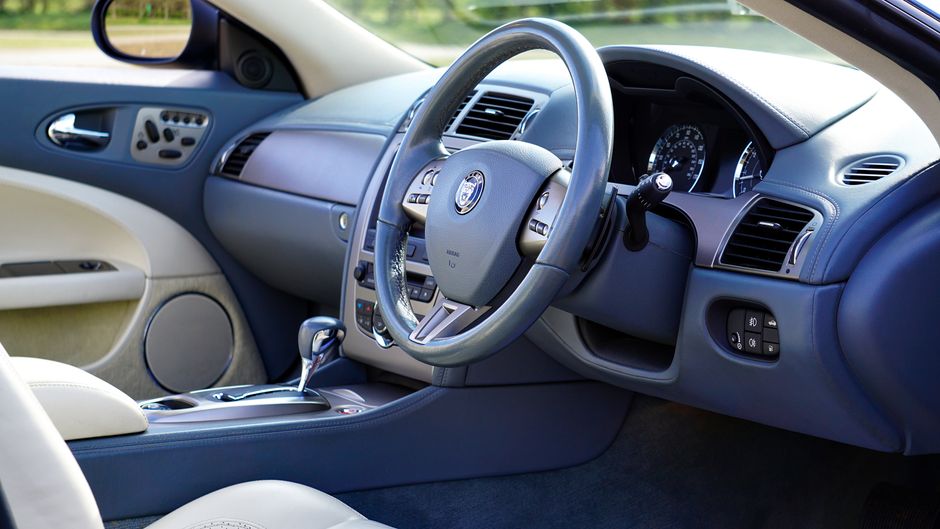
Car interiors have come a long way since the early days of the automobile. Initially, they were simple and utilitarian, focusing mainly on durability and basic comfort. As consumer expectations evolved, so did the interiors, incorporating more luxurious materials and advanced technology. However, the adaptive interiors of 2026 take this evolution to a whole new level. They are not just about luxury but about personalization and adaptability, creating an environment that caters to individual preferences and offers a more enhanced driving experience.
The Technology Behind Adaptive Interiors
The magic behind adaptive interiors lies in the integration of advanced technologies such as AI, IoT, and smart materials. AI algorithms analyze data from sensors embedded throughout the vehicle to understand the preferences of the occupants. Meanwhile, Internet of Things (IoT) connectivity allows these systems to interact seamlessly with other smart devices, ensuring a synchronized experience. Add to that the development of smart materials that can change their properties on demand, and you have a car interior that can truly adapt to your needs.
Key Features of Adaptive Interiors
- Dynamic Seating Configurations: Gone are the days of fixed seating. Adaptive interiors offer seats that can be rearranged to suit different activities, whether it’s a family trip, a business meeting, or a solo drive.
- Personalized Lighting: Lighting is no longer static. Adaptive systems adjust the color and intensity of interior lighting based on time of day, mood, or even your favorite settings.
- Temperature Zones: With individual climate zones, each occupant gets to enjoy their preferred level of comfort, whether it’s a warm seat on a chilly day or a cool breeze during the summer.
- Intelligent Soundscapes: Adaptive interiors provide personalized audio experiences, adjusting the acoustics and sound levels to suit the tastes and moods of individual passengers.
Real-World Examples: Leading the Charge
Manufacturers like Tesla, BMW, and Audi are pioneering the adaptive interior landscape. Tesla’s Model S, for example, offers a “Smart Comfort” feature that uses AI to learn and predict driver preferences. BMW’s iNEXT concept car has taken things a step further with its intelligent materials that change color and texture to suit the mood. Audi’s Aicon showcases the potential of autonomous driving with adjustable interior layouts for increased comfort and utility.
The Impact on Driving Experiences
Adaptive interiors are not just about comfort; they fundamentally change the driving experience. They enable cars to become personalized spaces that offer relaxation, productivity, or entertainment depending on the needs of the moment. This transformation makes long journeys more enjoyable and helps reduce driver fatigue by creating a more pleasant environment.
Conclusion: The Future of Comfortable Driving
The rise of adaptive interiors signals a shift in automotive design philosophy, where the focus is on creating a deeply personalized driving experience. As technology continues to advance, we can expect even more innovative features that further enhance car comfort. For those looking forward to the future of driving, adaptive interiors offer a glimpse into a more customized, enjoyable, and intelligent journey.
Practical Takeaway: As the automotive world embraces adaptive interiors, consider how these innovations can enhance your driving experience. Whether you’re investing in a new vehicle or exploring aftermarket options, the ability to tailor your car’s interior to your lifestyle is now within reach.