Introduction to Virtual Reality in the Automotive Industry

The automotive industry has always been a space for innovation, and 2026 marks a turning point with the integration of virtual reality (VR) technology into the car buying process. This isn’t just a flashy gimmick; it’s revolutionizing how customers experience vehicles before making a purchase. Imagine exploring the interior of a car, checking out every detail, or even taking a virtual test drive—all from your living room.
How Virtual Reality Enhances the Buying Experience
VR offers potential car buyers an immersive experience that traditional showrooms simply can’t match. Prospective buyers can explore a vehicle’s features in a hyper-realistic 3D environment, giving them a feel for the car’s design, materials, and even the sound system. This level of interaction is particularly beneficial for those living in areas with limited access to diverse dealerships.
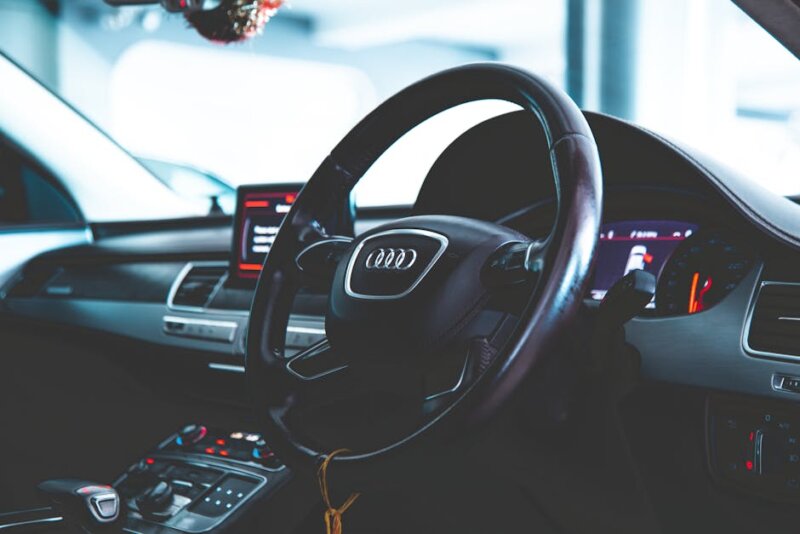
- Detailed Exploration: VR allows users to examine every nook and cranny, from the stitching on the seats to the functionality of the dashboard controls.
- Personalized Experience: Customers can select different configurations, color options, and accessories to see how variations would look in real-time.
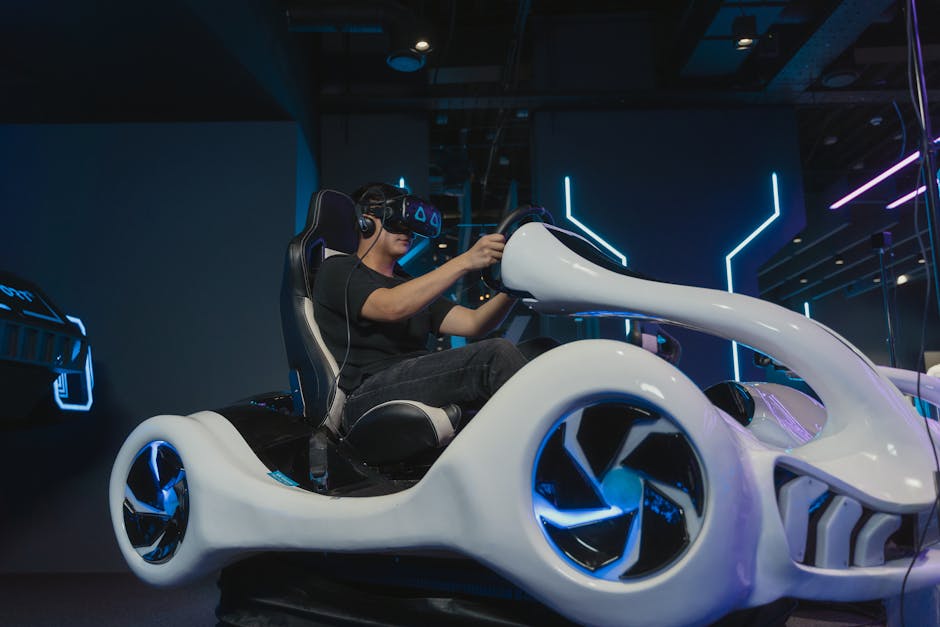
- Test Drives Without Leaving Home: Some platforms offer virtual test driving experiences where users can simulate driving conditions, giving a sense of how the car performs.
Impact on Dealerships and Car Sales
Dealerships are adapting quickly to this new technology. By incorporating VR, they are able to offer a more personalized and efficient service. This not only adds convenience for customers but can also potentially reduce the number of physical cars that need to be kept on-site for viewing, leading to cost savings.
- Reduced Inventory Needs: With VR, there’s less need to maintain a vast array of physical vehicles, lowering overhead costs.
- Efficient Sales Process: Sales representatives can guide customers through VR experiences, streamlining the buying process and focusing more on closing sales.
- Expanded Reach: Dealerships can cater to a wider audience, including those who are geographically distant.
Technological Advancements Driving VR Adoption
The rapid advancements in VR technology have made these experiences more realistic and accessible. High-resolution displays, improved motion tracking, and more affordable VR equipment have all contributed to making VR a viable tool for car buyers and dealers alike.
- High-Resolution Displays: New VR headsets offer crystal-clear visuals that enhance the buying experience.
- Improved Motion Tracking: Accurate tracking allows for smooth transitions and interactions, reducing the risk of motion sickness.
- Cost-Effective Solutions: As VR technology becomes more affordable, more dealerships are able to invest in these systems.
The Future of Car Buying with VR
As we look beyond 2026, the possibilities for VR in the automotive industry seem endless. The potential for integrating AI to create even more personalized experiences, or combining VR with augmented reality (AR) to offer real-time overlays in the physical world, could further enhance the car buying journey.
Additionally, the data collected from VR interactions can provide valuable insights into consumer preferences, helping manufacturers design vehicles that are more aligned with customer desires. This synergy between consumer feedback and vehicle design can lead to more satisfied customers and more successful car models on the market.
Practical Takeaway
For car enthusiasts, dealers, and manufacturers, embracing virtual reality in the car buying process is not just a trend—it’s a transformation. As technology continues to advance, VR will become an integral part of the automotive landscape, offering richer, more personalized experiences that could redefine how we connect with our vehicles.