The Changing Role of Mechanics
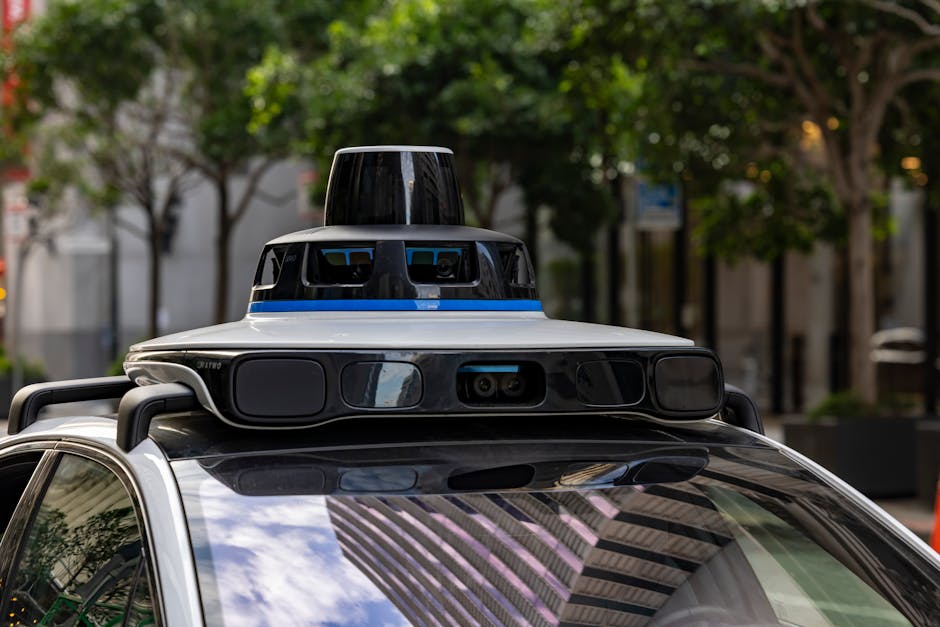
It’s 2026, and the automotive industry has transformed in ways we never imagined a decade ago. With the rise of autonomous vehicles, the role of mechanics has shifted significantly. Gone are the days when mechanics only needed a wrench and a good sense of hearing to diagnose a car’s troubles. Today, they’re more like software experts and engineers. This change has demanded a new set of skills and expertise.
From Grease Monkeys to Tech Gurus
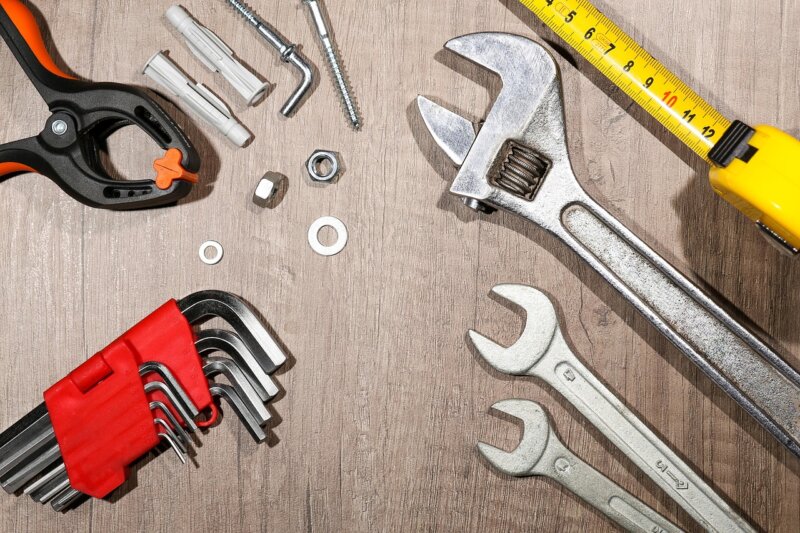
The image of mechanics covered in oil and grease is becoming a thing of the past. Modern mechanics are more likely to be found in pristine workshops, surrounded by diagnostic computers and digital tools. They wear clean uniforms, and their toolboxes are filled with devices that connect to the myriad sensors in today’s cars. They need to be just as comfortable with a laptop as they are with a socket wrench.
Mechanics today must have a strong understanding of software systems and computer science principles. Many have to attend courses to learn how to decode and recode the software that powers autonomous vehicles. The ability to understand and manipulate multiple programming languages is now almost as critical as knowing how to change a tire.
The New Tools of the Trade

With the complex systems in autonomous vehicles, traditional tools are often not enough. Mechanics use advanced diagnostics tools to communicate with vehicles’ onboard systems. These tools can read error codes, monitor system performance in real-time, and even predict when a component is likely to fail before it happens.
- Augmented Reality (AR) Glasses: These are crucial for complex repairs. They overlay schematics and instructions directly onto the mechanic’s field of vision, making troubleshooting faster and more accurate.
- 3D Printers: These are now a staple in modern workshops. Rather than waiting for parts to be delivered, mechanics can print components on-site, which saves time and reduces costs.
- Advanced Robotics: Some repair shops employ robotic arms to perform repetitive or dangerous tasks, ensuring precision and safety.
Dealing with Data Overload
Autonomous vehicles generate massive amounts of data. Mechanics are not just responsible for fixing mechanical issues; they also need to interpret and act on data analytics. This data can provide insights into vehicle performance, maintenance needs, and even driver behavior.
Many modern workshops now employ data scientists who work alongside mechanics to analyze this information. Together, they ensure that vehicles are not just repaired but optimized for safety and performance.
The Skill Gap and Educational Shifts
The shift towards autonomous vehicle maintenance has created a significant skill gap in the industry. Training programs at traditional technical schools are evolving to meet these new demands. Workshops are partnering with educational institutions to offer specialized courses in autonomous vehicle technology, artificial intelligence, and data analysis.

Some mechanics are taking it upon themselves to stay ahead of the curve by attending workshops and seminars, while others are enrolling in online courses. For the ambitious, there are even opportunities to specialize further, focusing on niche areas such as electric motor repairs or AI system diagnostics.
A Practical Takeaway for Aspiring Mechanics
If you’re considering a career as a mechanic in this new era, focus on developing a strong foundation in technology and software. Embrace continuous learning, as the industry is rapidly evolving. The mechanics of 2026 are hybrid professionals—equally adept at turning a wrench and writing a line of code. In this tech-driven future, adaptability and a willingness to learn will be your greatest assets.