Electric Scooters: The Urban Commuter’s Best Friend
In 2026, electric scooters have zipped to the forefront of urban mobility. Forget the hassle of crowded public transport or the expense of parking. Instead, imagine zipping through cityscapes on a sleek, efficient electric scooter. Once considered little more than toys, today’s e-scooters are sophisticated machines tailored for practicality, eco-friendliness, and style.
As cities like San Francisco, Berlin, and Tokyo continue to congest, electric scooters provide a solution for the “last mile” problem — that tedious gap between public transport stops and one’s final destination.
The Technology Driving the Scooter Surge
Modern electric scooters are a far cry from their early iterations. The average scooter now boasts a range of up to 30 miles on a single charge and can reach speeds of 20 mph. Lithium-ion batteries, charging technologies, and regenerative braking systems have all seen significant advances, propelling scooters into a new era of efficiency.
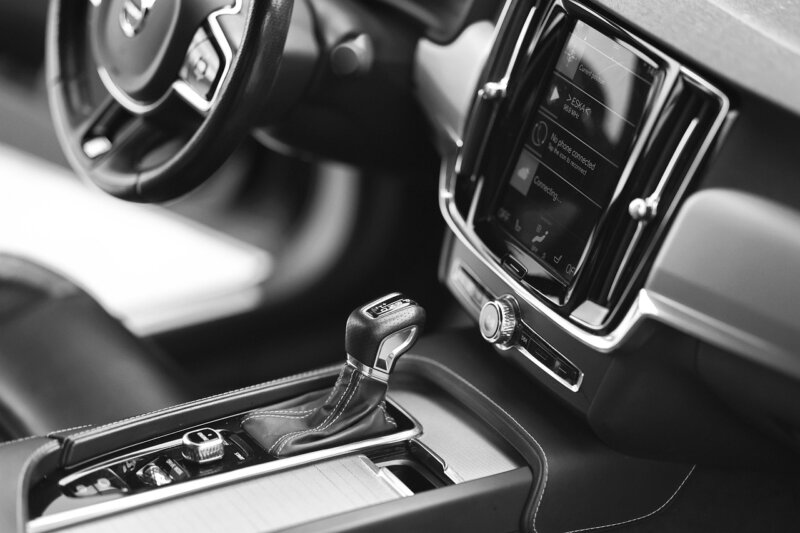
Take the Segway Ninebot Max G60, for example. With its dual braking system, the e-scooter offers optimal safety, while the smart LED display keeps riders informed about speed, battery life, and even connectivity options.
Urban Design and Infrastructure: Catching Up
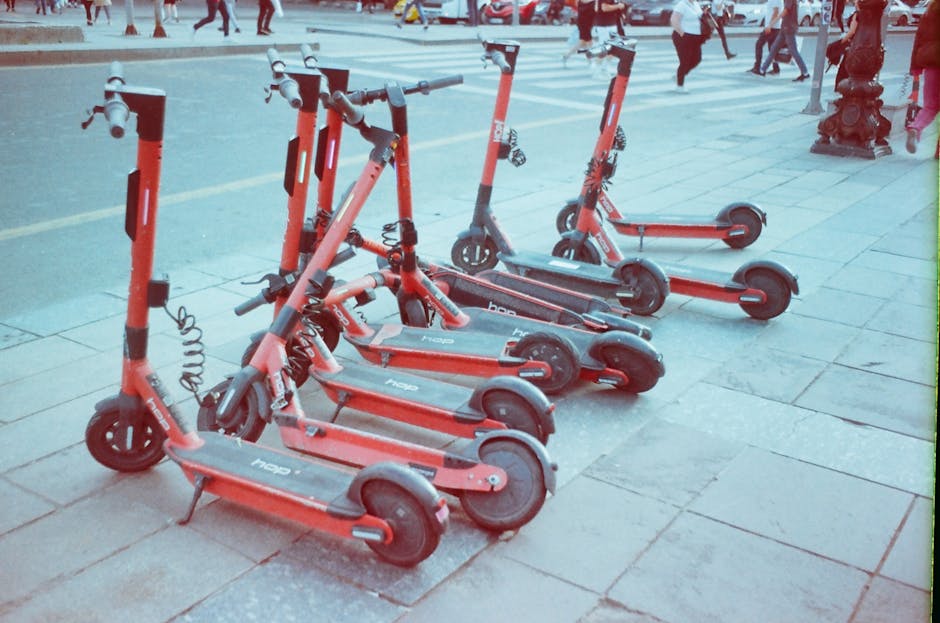
Urban planners are now taking notice. Cities are increasingly investing in infrastructure to support the scooter revolution. Dedicated lanes, smart docking stations, and scooter-only parking zones are popping up from Amsterdam to Austin.
In Los Angeles, a city notorious for car culture, the local government has invested significantly in creating safe scooter lanes. This initiative not only supports commuter safety but also contributes significantly to reducing the city’s carbon footprint.
The Economics of Scooting
One of the most compelling reasons for the rise of scooters is the economics. With rental services like Lime and Bird offering competitive pricing — often as low as $1 to unlock and $0.15 per minute — many find it cheaper than other forms of transport.

For those considering a purchase, a high-end scooter might set you back around $600, a modest price considering its longevity and the savings on fuel, parking, and maintenance. Tax incentives for personal electric vehicles in several countries further sweeten the deal.
Challenges on the Road Ahead
Of course, no revolution is without hurdles. Safety remains a top concern. While helmets are recommended, they aren’t always worn. Further, not all cities have adapted to this mode of transport as seamlessly as others. In some areas, navigating through pedestrian-dense zones can be challenging without proper demarcations.
Then there’s the environmental impact of discarded scooters, a challenge cities are addressing with recycling programs and incentives for companies to retrieve and recycle old units.
The Practical Takeaway
Electric scooters are here to stay in 2026, transforming the way we navigate our urban environments. For those looking to reduce their commute time while doing their bit for the planet, they offer a compelling option. With continued investment in infrastructure and technology, the ride promises to get even smoother.