
The Rapid Expansion of EV Charging Networks
It’s no secret that electric vehicles (EVs) have been taking over the roads, and with this surge comes the need for robust charging infrastructure. By 2026, the global network of EV charging stations has grown exponentially, mirroring the explosive growth of EV ownership. With governments and private companies racing to outdo each other, the competition has fostered an environment where innovation thrives. Let’s explore how these networks have evolved over the past few years.
From Urban Centers to Rural Roads
In the early years, EV charging stations were predominantly found in urban areas, catering to early adopters. Fast forward to 2026, charging networks have expanded beyond city centers, reaching into rural and remote areas. This expansion was pivotal in addressing range anxiety, a primary concern for new EV owners. For example, regions like the Scottish Highlands and the Australian Outback now boast strategically placed fast chargers, allowing for seamless long-distance travel without the fear of depleting battery reserves.
The Rise of Ultra-Fast Charging
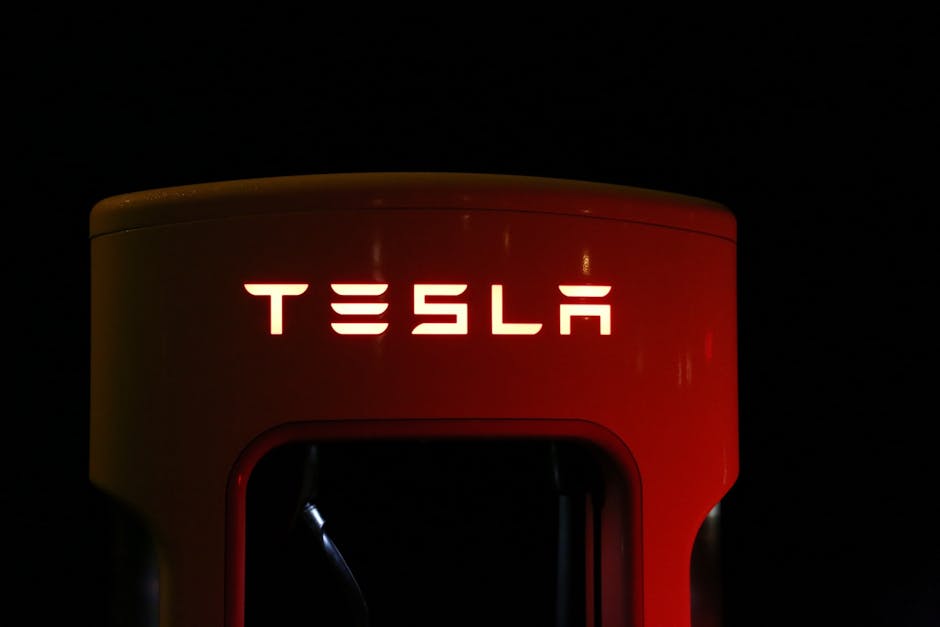
One of the most significant advancements in EV infrastructure is the development of ultra-fast chargers. These stations, capable of delivering up to 350 kW, can charge a compatible EV from 10% to 80% in under 20 minutes. Brands like Tesla, Ionity, and Electrify America have pioneered these rapid systems, aiming to make EV charging as quick and convenient as filling a gas tank. The result? Road trips and long commutes have become a reality for EV owners without long pit stops.
Innovations in Charging Technology
Beyond speed, charging technology has seen numerous innovations aimed at enhancing user experience. Wireless charging pads are now emerging in urban areas and parking lots, allowing drivers to charge their vehicles without plugging in. Similarly, solar-powered charging stations have popped up, particularly in sunny locales like Southern California and the Mediterranean, leveraging renewable energy to power EVs sustainably.
Integration with Renewable Energy Sources
The marriage between renewable energy and EV charging networks is another trend that has gained momentum. As solar and wind energy become more prevalent, charging stations increasingly rely on these sources. Some networks now incorporate battery storage solutions, capturing excess solar energy during the day and using it to power EVs at night. This integration not only reduces the carbon footprint but also provides a resilient solution against grid fluctuations.
What This Means for You
For current and future EV owners, the expansion and enhancements of charging networks mean a more accessible, faster, and environmentally friendly driving experience. The headaches of planning routes around charging stations or waiting hours for a charge are quickly becoming relics of the past. As these networks continue to evolve, they promise to make EV ownership not just feasible, but delightful.
Whether you’re considering your first EV purchase or already a proud owner, the developments in charging infrastructure ensure that the convenience of electric driving only gets better with time. So, get ready to navigate the electric highway with ease and confidence.