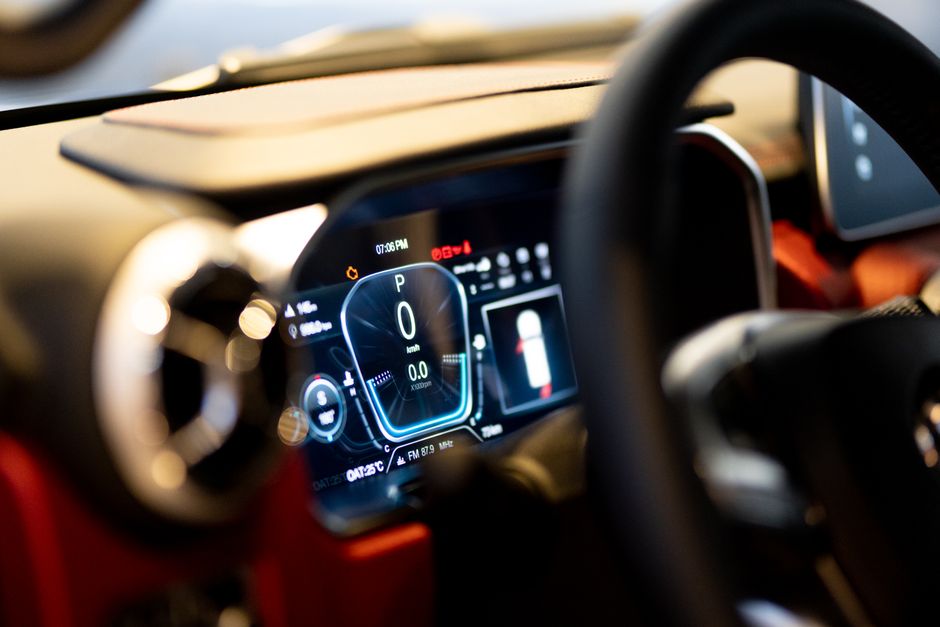

The automotive world is no stranger to innovation, but 2026 has brought an entirely new dimension to the industry. Artificial Intelligence (AI) is not just a buzzword; it’s the driving force behind the most significant transformations in car manufacturing, design, and functionality. In this exploration, we’ll unveil how AI’s integration is molding the vehicles we see on the road today and what it means for manufacturers, drivers, and the future of transportation.
AI in Design: Crafting Cars with Precision
Gone are the days of manual sketching and clay models. In 2026, AI algorithms are the maestros orchestrating the design process. Programs like Autodesk’s Dreamcatcher and Google’s DeepMind are leading the charge, generating car designs that are not only aesthetically pleasing but also aerodynamically optimized and structurally sound.
AI’s capabilities extend beyond appearance. By processing immense datasets, AI can predict which materials and shapes will best withstand crash impacts or improve fuel efficiency. This results in safer and more sustainable vehicles. For instance, Toyota has utilized AI to significantly reduce wind resistance in their latest sports coupe, enhancing both speed and efficiency.
Manufacturing Revolution: Efficiency and Customization
Manufacturing a car used to be an assembly line affair, but AI has redefined this process. Robots powered by AI now handle everything from welding to quality assurance, drastically reducing human error. The biggest change, however, is the rise of AI-driven customization.
Today, car buyers can configure their vehicles down to the smallest detail, from the type of interior leather to the specific shade of exterior paint. AI systems track individual preferences and suggest configurations that drivers might not have considered. BMW’s Munich plant has been at the forefront, implementing AI to allow customers to personalize their cars with unprecedented ease and precision.
AI-Enhanced Safety: Reducing Accidents with Predictive Systems
Safety has always been a top priority in automotive design. In 2026, AI is making significant strides in this domain with predictive systems. These AI technologies can anticipate potential hazards before they occur, employing advanced pattern recognition to analyze traffic patterns, driver behavior, and environmental conditions.
Take Tesla’s latest Autopilot system, for instance. It uses AI to evaluate and respond to road situations faster than any human could. AI-powered cameras and sensors provide real-time data analysis, helping prevent collisions and ensuring passenger safety.
AI in Maintenance: Predictive Diagnostics for Longevity
Vehicle maintenance is no longer reactive but proactive, thanks to AI. Predictive diagnostics systems can foresee the need for repairs before issues become critical. By analyzing data from various sensors, these systems recommend maintenance checks, potentially saving drivers from costly breakdowns.
Consider the work being done at Mercedes-Benz, where AI systems monitor engine performance and alert drivers well in advance of any potential malfunctions. This not only ensures vehicle longevity but also enhances the resale value of cars by maintaining them in peak condition.
The Future of AI in Cars: What’s Next?
The impact of AI on the automotive industry is profound, and it’s only just beginning. Looking forward, the integration of AI with other technologies like quantum computing could further revolutionize the sector. Imagine cars becoming truly self-aware, capable of learning from every journey and adapting to driver habits with ease.
Moreover, AI’s role in the development of autonomous vehicles continues to expand. Ford’s self-driving division has recently announced a collaboration with Nvidia to use AI chips for more responsive and intuitive self-navigation systems. This partnership aims to ensure that by 2030, fully autonomous vehicles will be a common sight on highways across the globe.
As we embrace 2026, it’s clear that the automotive industry is at a pivotal juncture. The blend of AI in every aspect of car production and management is not just a technological advancement; it’s crafting a future where driving is safer, more efficient, and incredibly personalized. For enthusiasts and everyday drivers alike, the promise of AI heralds a new era of automotive excellence.
Our takeaway? Embrace the tide of change. As AI continues to evolve, so will the driving experience, presenting opportunities for a greener, more intelligent motoring landscape.