The AI Revolution on the Roads
In 2026, artificial intelligence isn’t just about robots taking over jobs or smart homes that know your coffee preference. It’s about saving lives on the road. The integration of AI in automotive safety has seen unprecedented advancements, drastically reducing road accidents and enhancing the overall driving experience. We’re not just talking about adaptive cruise control or lane-keeping assistance; the game has changed entirely.
Predictive Collision Avoidance: The New Guardian Angel
Gone are the days when collision avoidance systems would merely beep to alert drivers. Today’s systems harness the power of AI to predict potential hazards not just in real-time, but before they even become tangible threats. Using data from sensors, cameras, and radar, AI systems like Tesla’s Full Self-Driving mode and the BMW iDrive 9 can anticipate sudden stops, erratic driving from others, or even changes in weather conditions that might affect traction. These systems calculate millions of scenarios in microseconds, giving them an edge that human reflexes simply can’t match.
Intelligent Traffic Management: A Cure for Congestion
Traffic jams are frustratingly common in urban environments. However, AI technology is making significant strides in managing traffic flows. Cities like Tokyo and Los Angeles have started employing AI-driven traffic management systems that analyze real-time data from thousands of vehicles to optimize traffic light patterns. These systems improve flow, reduce emissions, and—most importantly—decrease the likelihood of intersection-related accidents. As a result, drivers spend less time idling, and roads are markedly safer.
Driver Monitoring Systems: More Than Just a Watchful Eye
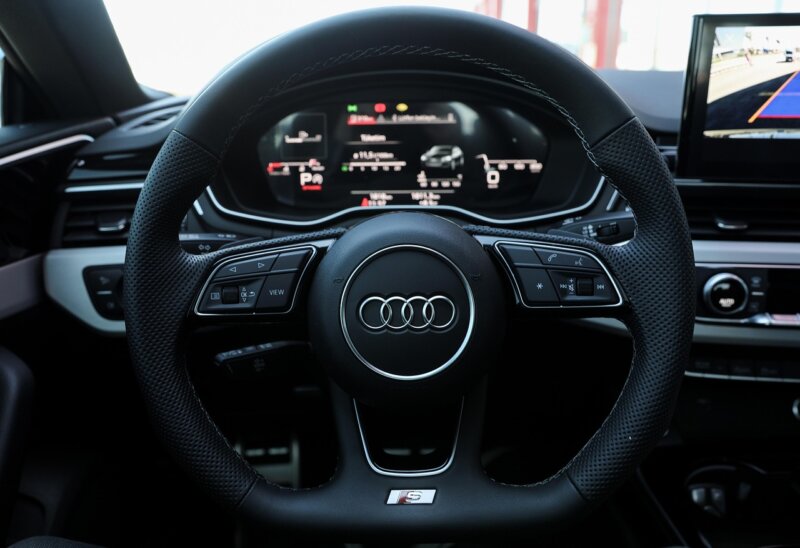
Driver monitoring systems (DMS) have evolved from simple eye-tracking cameras to full-fledged AI companions that ensure you’re fit to drive. These systems can detect signs of fatigue or distraction by analyzing facial expressions, head movements, and even the tone of voice to alert drivers. In vehicles like the latest Audi A8 and Ford’s new EV lineup, these DMS features can adjust cabin conditions—such as lighting and temperature— or even suggest a rest stop. It’s a personalized safety assistant that helps keep drivers focused and alert.
The Ethical Algorithm: Navigating Moral Dilemmas
One of the most debated topics in AI safety systems is the ethical algorithm—how should a vehicle’s AI make life-and-death decisions in an unavoidable crash scenario? Automakers and AI developers have been working tirelessly to address these ethical quandaries. Companies are now collaborating with ethicists and sociologists to program AI with decision-making protocols that prioritize human safety while considering the least harmful outcomes for all involved. This aspect of AI development remains a work in progress, yet it highlights the complex intersection of technology and morality.
Cybersecurity: Protecting Your Car from Digital Threats
As cars become more connected, they also become potential targets for cyber attacks. AI plays a crucial role here, too, as advanced cybersecurity measures are developed to protect vehicles against hacking. Automakers are employing machine learning algorithms that can detect, prevent, and respond to cyber threats in real-time. Companies like Ford and Toyota have established cybersecurity divisions dedicated to ensuring their AI systems are as robust as their engines.
Practical Takeaway
Artificial intelligence is not just reshaping the way we drive; it’s revolutionizing automotive safety. As AI continues to evolve, drivers can expect an increasingly safe, efficient, and personalized driving experience. The advancements in predictive collision avoidance, intelligent traffic management, and driver monitoring systems mark significant strides towards safer roads for everyone. It’s a promising future where technology and safety go hand in hand.