Introduction to Modern Headlights
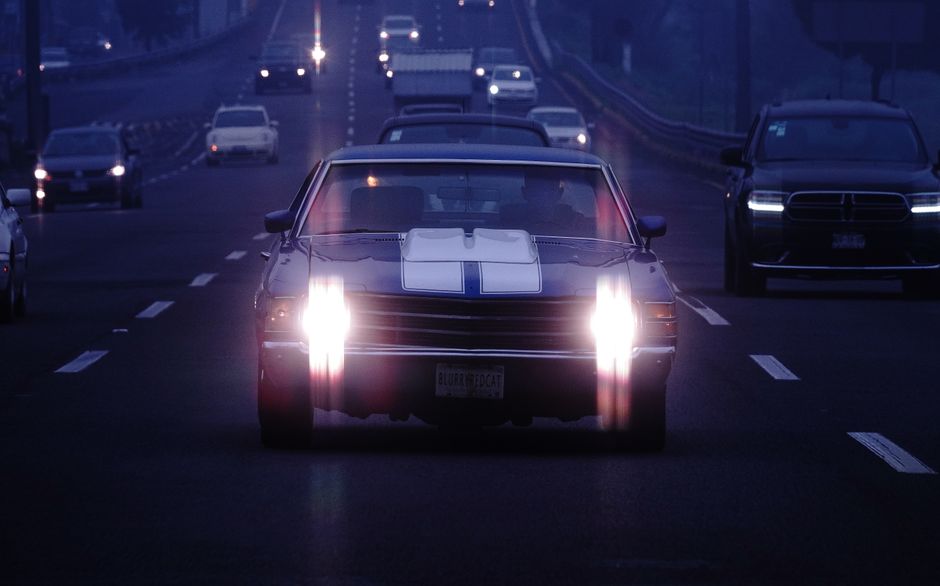
Remember the days when a car’s headlights were just, well, headlights? They shone dimly and often required constant attention to ensure they were working properly. Fast forward to 2026, and automotive lighting has undergone a radical transformation. No longer just tools for visibility, headlights have become an integral part of car design, safety, and communication. Let’s explore how advancements in headlight technology are illuminating our roads like never before.
Laser Headlights: The Cutting Edge
Laser headlights have become the pinnacle of illumination technology in 2026. Utilizing concentrated beams of light, laser headlights can project a beam nearly 600 meters ahead, vastly improving night-time visibility. Cars equipped with this technology, like the 2026 BMW iVision Electric, offer drivers unparalleled clarity. The precision of laser headlights not only enhances driver visibility but also reduces glare for oncoming traffic, making night drives safer for everyone on the road.
Matrix LED: Smart Lighting for Smart Cars
Matrix LED technology has made its way into many mid-range vehicles, democratizing smart lighting features. These adaptive systems, found in models like the Audi A8 2026, consist of numerous individual LEDs that can be switched on or off independently. This allows for partial illumination of the road, enabling drivers to use high beams without blinding other road users. Additionally, Matrix LEDs can adapt to weather conditions, such as heavy rain or fog, ensuring the perfect light beam pattern at all times.
Digital Light: The Communicative Headlight
Mercedes-Benz has been leading the charge with their Digital Light technology. Beyond mere illumination, Digital Light can project symbols and warnings directly onto the road. For instance, if a pedestrian is detected, the system can project a crosswalk symbol to alert both the pedestrian and the driver. This feature is crucial in urban settings, where interactions between vehicles and pedestrians are frequent. Imagine driving through Times Square in New York City and having your car seamlessly communicate with other vehicles and pedestrians through light signals.
OLED: Designing with Light
Organic Light Emitting Diode (OLED) technology isn’t just for your smartphone screens anymore. In 2026, car manufacturers are embracing OLEDs for their ability to create thin, flexible, and efficient lighting layouts. These lights provide uniform illumination and can be used to create customizable light signatures, allowing for personalized vehicle aesthetics. The new 2026 Porsche 911 uses OLED taillights to give drivers a unique and recognizable profile on the road.
Practical Takeaway: Choosing the Right Headlights for Your Needs
With so many headlight options available, picking the right one depends on your driving environment and personal preferences. If you frequently drive in rural or poorly lit areas, laser headlights could be a lifesaver. For city dwellers, Digital Light might offer the best combination of safety and interactivity. Meanwhile, Matrix LEDs provide a balanced option perfect for diverse driving conditions. And for those who value aesthetic appeal, OLED technology can help your car stand out.
As we move further into the future, headlights will continue to evolve, offering even more safety and personalization. So, the next time you’re in the market for a new car, take a closer look at what’s lighting the way in the automotive world.