The Renaissance of Vintage Cars: Why 2026 is Their Year
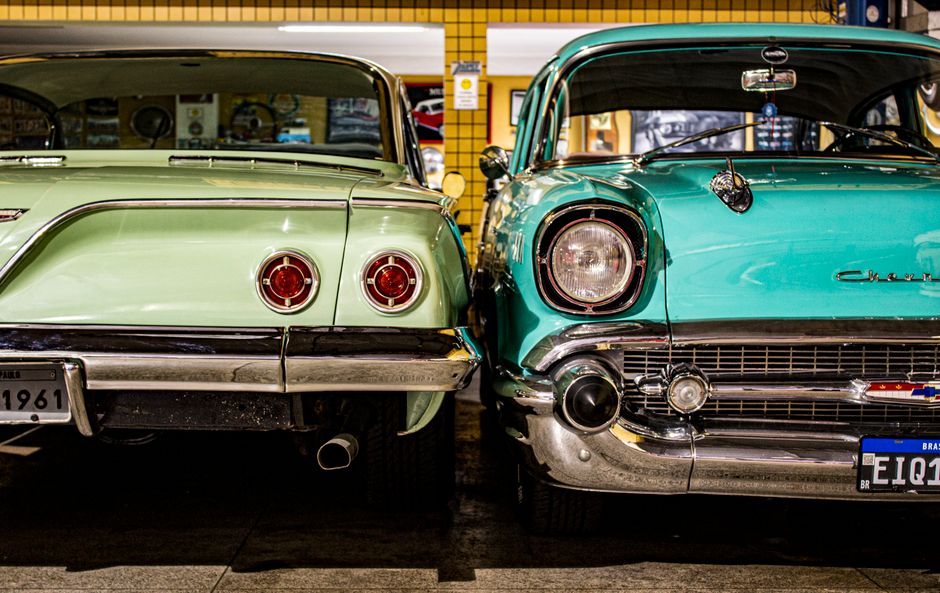
While technology races forward, there’s a growing movement looking back. In 2026, vintage cars are making a surprising comeback, capturing the hearts of enthusiasts and collectors alike. This revival isn’t just about nostalgia; it’s a response to the digital overload of modern life. With every polished chrome bumper and hand-stitched leather seat, vintage cars offer an escape to a simpler, yet no less exhilarating, driving experience.
Restoration Meets Innovation: Breathing New Life into Old Engines
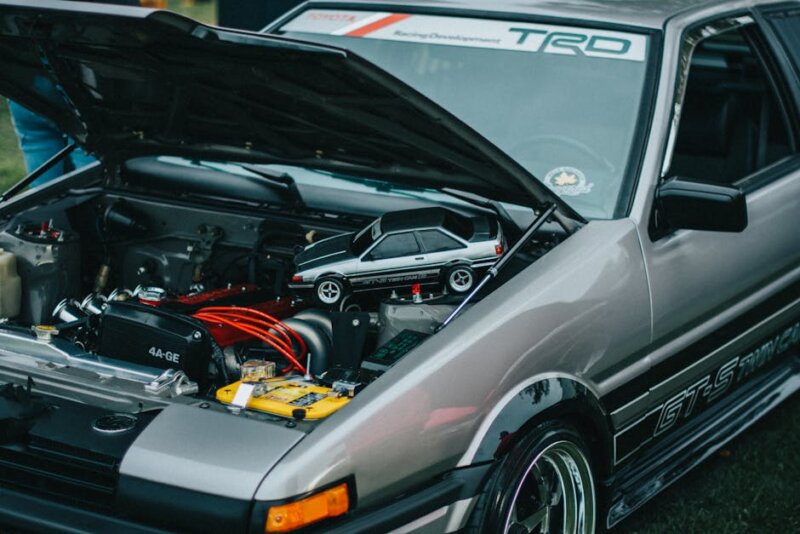
Gone are the days when restoring a vintage car meant sacrificing performance for authenticity. In 2026, cutting-edge technologies are merging with classic designs to create vehicles that are both timeless and efficient. Companies are now fitting old beauties with modern electric or hybrid engines, marrying sustainability with style. Take the example of the 1965 Ford Mustang; its iconic silhouette can now be seen gliding silently through the streets of Los Angeles, powered by a state-of-the-art electric motor.
The Community and Culture of Classic Car Enthusiasts
One of the most captivating aspects of the vintage car revival is the community that surrounds it. From the bustling streets of London to the scenic routes of Australia’s Great Ocean Road, car clubs and meet-ups are flourishing. These gatherings are not just about showcasing cars; they foster friendships and shared passions. The camaraderie found at events like the Goodwood Revival or the Pebble Beach Concours d’Elegance is as vital to the movement as the cars themselves.
The Economic Impact: From Rust Buckets to Gold Mines
The financial landscape surrounding vintage cars has shifted dramatically. Once considered a quaint hobby, restoring and trading classic cars is now a lucrative industry. The Hagerty Group reports a 40% increase in the vintage car market value in just the last year. This surge is driven by a new generation of collectors who see these cars as investments that offer both emotional and financial returns. Auction houses are reporting record-breaking sales, with rare models fetching millions.
Future-Proofing the Past: Ensuring Longevity and Relevance
As we embrace this resurgence, the question remains: how do we ensure these classics have a place in the future? Innovative companies are leading the charge by creating conversion kits that allow vintage cars to run on renewable energy. Additionally, advancements in 3D printing and smart materials mean that parts that were once impossible to find can now be recreated with precision. This balance of preservation and adaptation is key to the enduring appeal of classic vehicles.
Practical Takeaway: Embracing the Vintage Vibe
For those considering diving into the world of vintage cars, now is the time. Start by connecting with local car clubs or visiting events to learn from the community. Consider the cost of restoration, potential returns, and personal enjoyment. Whether you’re drawn to the artistry, the engineering, or the community, vintage cars offer a unique blend of all three. As we move forward, these classic machines remind us that sometimes, looking back is the best way to move forward.