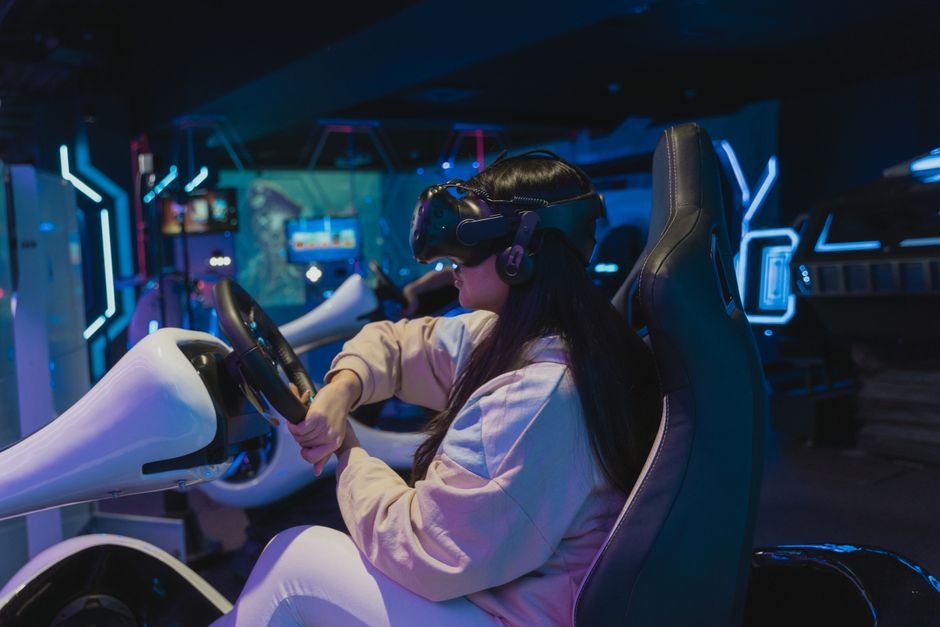
Virtual Reality: The New Test Drive
Gone are the days of spending a weekend hopping from dealership to dealership, trying to find the perfect car. Welcome to 2026, where virtual reality (VR) is revolutionizing the car buying experience. From the comfort of your living room, you can now virtually test drive vehicles, explore every nook and cranny, and even customize your ride before setting foot in a dealership.
Immersive Showrooms: Bringing Cars to Life
Traditional showrooms still have their place, but the VR showroom offers a limitless inventory. Imagine walking through an expansive digital space where you can experience hundreds of cars from different brands. With a mere swipe, you’re transported into the driver’s seat of the latest electric vehicles or the most rugged off-road beasts—all in hyper-realistic detail.
Brands like BMW and Tesla have already adopted VR technology, offering potential buyers an immersive experience that showcases everything from the sound of the engine to the digital dashboard interface. In fact, studies have shown that VR-enhanced buying experiences increase customer satisfaction by 30%.
Customization Goes Digital

VR isn’t just about seeing the cars; it’s about making them your own. The technology allows you to customize every aspect of your vehicle, from paint colors to interior fabrics, and see these changes in real-time. Want to know how the sunroof will look at sunset? Or how the leather seats match the car’s exterior? Virtual reality offers this kind of interactive, personal experience.
Companies like Audi have taken customization to the next level with their VR Configurator, which allows customers to create their dream car and experience it in different environments, whether it’s cruising down a coastal highway or navigating through a bustling cityscape.
Convenience and Confidence: The Digital Dealership
One of the biggest advantages of VR car shopping is the convenience factor. With just a VR headset, customers can compare prices, features, and even financing options without the pressure of an in-person sales pitch. This digital dealership model is particularly appealing to younger generations who value efficiency and transparency.
Moreover, VR provides a level of confidence that was previously hard to achieve. Prospective buyers can explore specific features in detail, from the trunk space to the rear camera system, ensuring that the car truly meets their needs.
Challenges and Considerations
While VR is transforming how we buy cars, it’s not without challenges. The technology requires substantial investment, which can be a barrier for smaller dealerships. Additionally, the tactile experience of actually sitting in a car and feeling the steering wheel is something that VR can’t fully replicate yet.
That said, the automotive industry is embracing VR as a tool to enhance, rather than replace, the traditional car-buying journey. As the technology advances, it will likely become more accessible and integral to the process.
The Takeaway: A New Era of Car Buying
Virtual reality is not just a gimmick; it’s a transformative tool that’s reshaping the automotive landscape in 2026. By offering immersive, customizable, and convenient experiences, VR is making car shopping more enjoyable and efficient than ever before. As we look to the future, the integration of VR into car buying represents a significant step forward in how we choose and purchase our vehicles.