The Rise of AI Companions in Cars
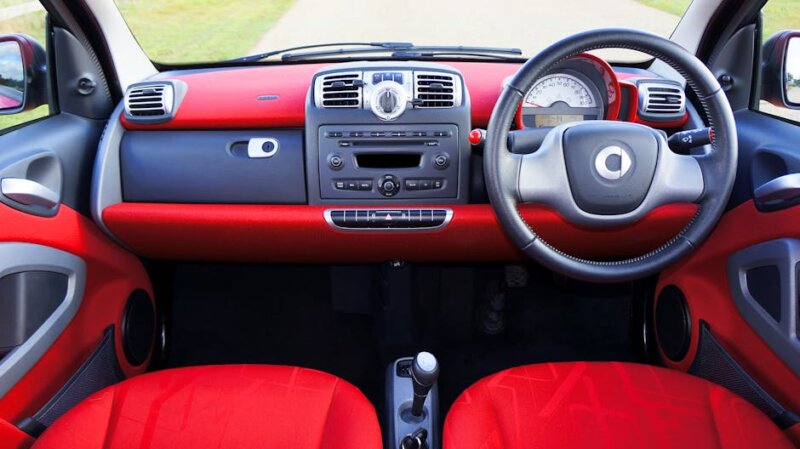
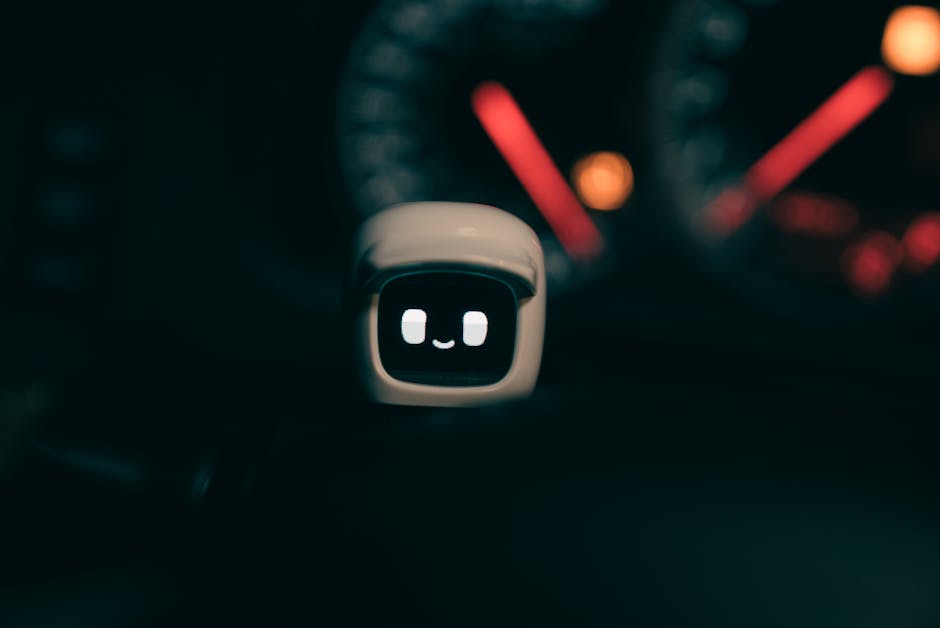
In 2026, cars are no longer just vehicles that take us from A to B. They have become our companions, travel assistants, and even co-pilots, thanks to the integration of advanced artificial intelligence systems. These AI-enhanced drivers are transforming our interactions with the road, making driving safer, more efficient, and tailored to our personal preferences.
Personalized Driving Experiences
Imagine getting into your car and having the seat adjust to your preferred position, the car temperature set perfectly, and your favorite playlist already playing. This is all possible thanks to AI-driven personalization features. These systems learn from your habits, preferences, and even mood, adapting the driving experience accordingly. Whether it’s suggesting the most scenic route for a leisurely Sunday drive or optimizing for the fastest path during rush hour, AI takes your driving style into account.
Enhanced Safety Features
Safety has always been a priority in the automotive industry, and AI is taking it to new heights. In 2026, AI systems can predict potential hazards and make split-second decisions to prevent accidents. From advanced collision avoidance systems to real-time driver monitoring that detects fatigue, AI is actively working to keep drivers safe. These systems can even communicate with other vehicles to warn of upcoming traffic or road conditions, creating a network of information that enhances safety for everyone on the road.
AI in Autonomous Vehicles
While fully autonomous vehicles are still evolving, AI is playing a critical role in their development. These vehicles rely on complex AI algorithms to interpret vast amounts of data, make decisions, and learn from their environment. This year, we are seeing more autonomous shuttles and delivery vehicles on the streets, improving not only individual mobility but also impacting logistics and public transportation systems.
Streamlining Maintenance and Connectivity
Predictive maintenance is another area where AI shines. By constantly analyzing data from various car sensors, AI systems can predict when a part is likely to fail and alert the owner to schedule maintenance before an issue occurs. This not only extends the vehicle’s lifespan but also reduces unexpected breakdowns. Additionally, with AI handling connectivity, cars are becoming seamlessly integrated into our digital lives, syncing with smart home devices and personal gadgets to offer continuous connectivity and convenience.
Ethical Considerations and Challenges
With great power comes great responsibility, and the integration of AI in cars brings with it a set of ethical challenges. Questions around data privacy, decision-making in critical scenarios, and the transparency of AI algorithms are all topics that manufacturers and policymakers are tackling. As AI becomes more embedded in our driving experiences, ensuring that these systems operate ethically and transparently is paramount.
As we journey through 2026, the role of AI in personalizing the driving experience is unmistakably transforming how we interact with our vehicles. Whether it’s through enhanced safety, improved convenience, or ethical design, AI is not just an accessory but a trusted partner on the road.
For drivers, the takeaway is clear: embrace the technology, but stay informed about the systems that are becoming an integral part of our daily commutes. As AI continues to evolve, it promises to make driving more than just a routine task, but a personalized, seamless experience.