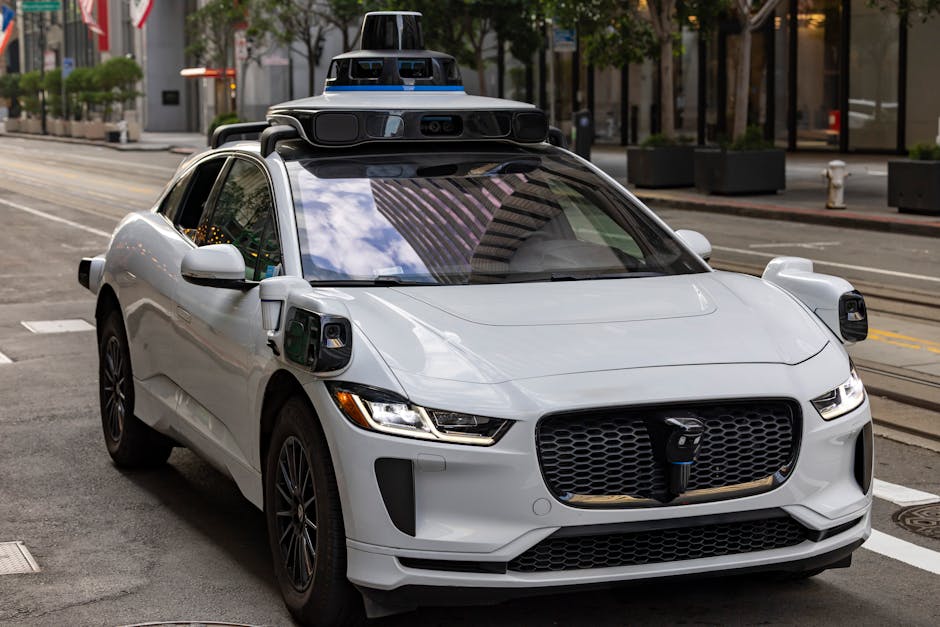
The Dawn of Shared Autonomous Vehicles
The year 2026 marks a profound shift in urban transportation as shared autonomous vehicles (SAVs) become a common sight. These driverless cars are not just about getting from point A to B; they’re reshaping how we think about commuting, car ownership, and urban living. Imagine a world where hopping into a car is as easy as calling for a ride on your smartphone, but without the need for a driver.
Major cities from New York to Tokyo are witnessing a significant transformation in public transit systems. The integration of SAVs offers solutions to perennial urban problems like traffic congestion, pollution, and parking scarcity. With tech giants and automobile manufacturers investing heavily, there’s no turning back now.
Breaking Down the Technology
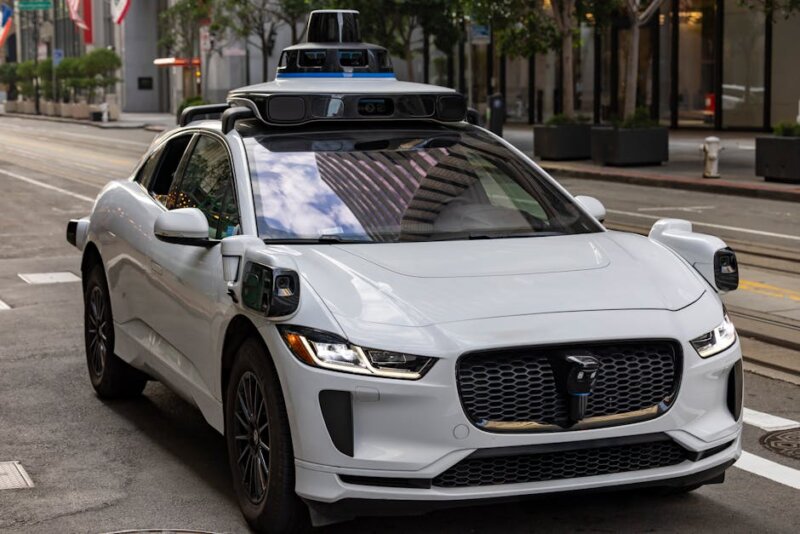
SAVs leverage cutting-edge technology to ensure safety and efficiency. Equipped with advanced sensors, cameras, and LIDAR, these vehicles perceive their surroundings with precision. High-speed processors analyze real-time data, making split-second decisions to navigate through city streets smoothly.
Key players like Waymo, Tesla, and Uber have refined their algorithms for autonomous driving, reducing error margins to near negligible levels. The constant communication between vehicles and city infrastructure (thanks to 5G) ensures seamless operation, adapting to changes in traffic flow, weather conditions, and even passenger preferences.
Environmental and Economic Impacts
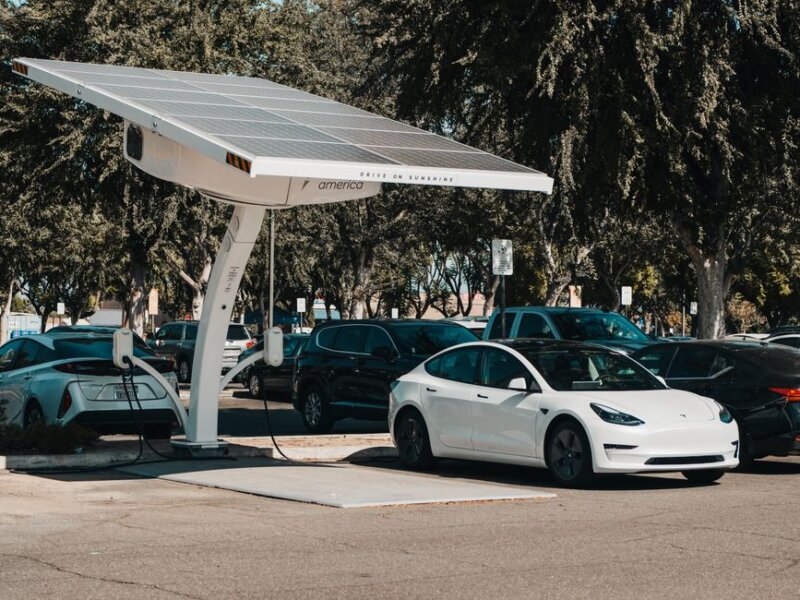
The environmental benefits of SAVs are substantial. A transition to electric-powered SAV fleets reduces urban carbon footprints significantly. According to a 2026 study by the International Energy Agency, cities that have adopted SAVs saw up to a 30% reduction in CO2 emissions.
Economically, these vehicles offer cost savings for both individuals and cities. For users, the cost per mile is often cheaper than traditional ride-hailing services, thanks to the absence of a driver and fuel savings. Urban areas benefit from reduced infrastructure costs related to parking and road maintenance. Cities like Copenhagen have reallocated parking spaces into green areas and bike lanes, invigorating urban life.
Challenges on the Road Ahead
Despite their many advantages, the widespread adoption of SAVs isn’t without hurdles. Regulatory challenges persist as local governments grapple with updating traffic laws and safety standards. There’s also the social aspect—public trust in autonomous technology is still building. Incidents of technology malfunctions, though rare, receive heavy media coverage, stoking fears.
Moreover, the impact on traditional driving jobs cannot be ignored. While new jobs in tech, maintenance, and logistics are emerging, the transition requires strategic planning to ensure those displaced find new opportunities.
User Experience: Convenience at Its Core
Using a shared autonomous vehicle is designed to be intuitive and user-friendly. Passengers can book rides via apps, selecting vehicle types and features based on their needs—be it a single-person commute or a family outing. Payment is cashless, with dynamic pricing offering cost efficiency during non-peak hours.
Riders enjoy enhanced comfort, with spacious cabins, entertainment systems, and even productivity features like mobile office setups. Personalization is key, and vehicles remember user preferences, offering tailored experiences for regular commuters.
The Future: A Connected Urban Ecosystem
The rise of shared autonomous vehicles is just one facet of a broader movement toward a connected urban ecosystem. Smart cities are evolving, with SAVs interacting with intelligent infrastructure—traffic lights that adjust to real-time conditions, smart grids optimizing energy use, and responsive public spaces.

As we look to 2027 and beyond, the journey promises increased integration and innovation. The goal is clear: efficient, sustainable, and enjoyable urban travel, making cities more livable for everyone.
Takeaway: As shared autonomous vehicles continue to advance, they offer a promising solution to urban transit woes, combining technology, convenience, and sustainability in a way that reimagines modern commuting.