Introduction to the Vintage Car Revival

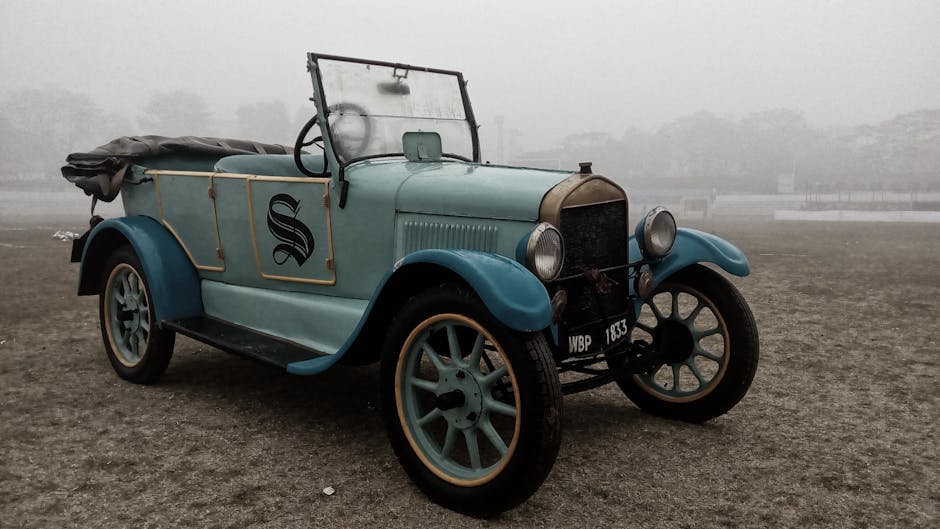
As we zoom through 2026, something remarkable is happening on the roads: the return of the vintage car, but with a twist. Classic models from the 60s and 70s are not just showpieces anymore; they’re being retrofitted with electric drivetrains. This fusion of nostalgia and cutting-edge technology is creating a unique niche in the automotive world.
Why Vintage? The Allure of the Past
There’s an undeniable charm to vintage cars. Their elegant lines and distinctive designs evoke a sense of nostalgia, a reminder of a time when driving was about more than just getting from point A to B. For many, restoring these classics is a labor of love, a way to reconnect with a piece of automotive history.
But it’s not just about aesthetics. These cars offer a driving experience that’s often described as ‘pure,’ untainted by modern conveniences like power steering and computer-assisted control. For some, it’s this raw connection to the road that makes vintage cars so appealing.
Electrifying the Classics: How It’s Done

Retrofitting a vintage car with an electric drivetrain involves several key steps. First, the old internal combustion engine is removed. Then, a new electric motor, often sourced from companies specializing in EV conversions, is installed. The original transmission might be retained, but in many cases, it’s also replaced to better match the characteristics of the electric motor.
Next, batteries are fitted into the vehicle. This can be a challenging task, as the battery packs must be carefully placed to maintain the car’s balance and handling characteristics. Many retrofit companies have become quite adept at hiding these components, preserving the car’s original look.
Environmental Benefits and Challenges
One of the biggest advantages of electrifying vintage cars is the reduction in emissions. By replacing the old, inefficient engines with electric motors, these cars become environmentally friendly, allowing enthusiasts to enjoy their vintage rides without the associated guilt of high emissions.
However, there are challenges. Sourcing parts for these conversions can be difficult, and the process is often more expensive than buying a new electric car outright. Additionally, there are regulatory hurdles to clear in many regions, though this is changing as retrofits become more common.
The Market for Electrified Classics in 2026

The market for electrified vintage cars is growing rapidly. Companies specializing in conversions are springing up worldwide, offering kits and bespoke services. In the US, firms like EV West and Zelectric are leading the charge, while in the UK, Lunaz Design is making waves with their high-end conversions.
These companies are not just focused on older models. Some are beginning to offer electrification services for modern classics from the 80s and 90s, such as the BMW E30 and the Honda NSX, tapping into a younger demographic of car enthusiasts.
Practical Takeaway: Should You Electrify Your Classic?
If you’re a vintage car owner considering electrification, there are a few things to keep in mind. First, evaluate the cost and availability of conversion services in your area. It’s also important to consider whether the conversion will affect the car’s value or your enjoyment of it.
Ultimately, electrifying your classic can be a rewarding project that combines the charm of the past with the technology of the future. As more companies enter the market and regulations evolve, the process is becoming more accessible than ever. For many, it’s the perfect way to enjoy a beloved classic while embracing a sustainable future.