Understanding the Charging Landscape

The electric vehicle (EV) revolution is accelerating at an unprecedented pace, with global sales expected to surpass 40 million units by the end of 2026. As more drivers transition to electric, understanding the charging infrastructure becomes essential. Be it a daily commuter or a cross-country traveler, knowing where and how to charge your EV can significantly enhance your driving experience.
Home Charging: Convenience at Your Doorstep
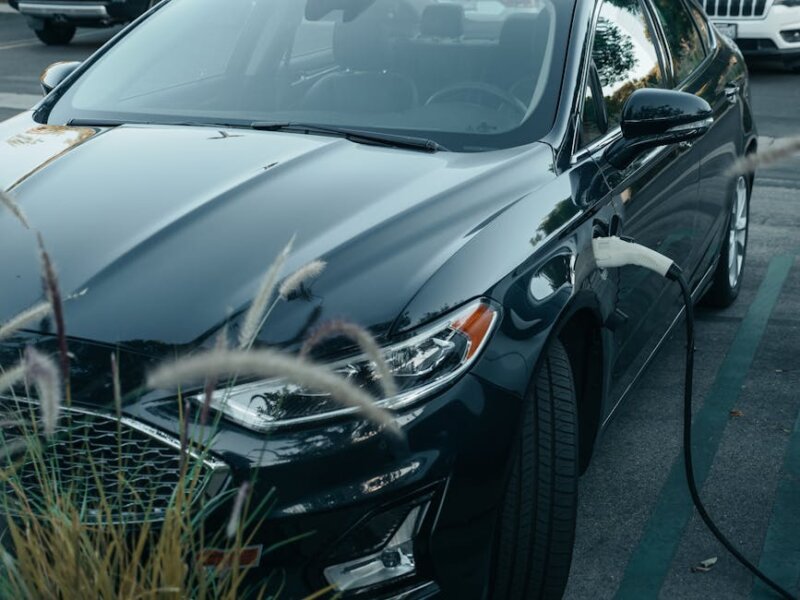
For many EV owners, home charging remains the most convenient option. In 2026, Level 2 home chargers have become more affordable, with prices averaging around $500. These chargers can fully juice up a standard EV battery overnight, typically offering 25-30 miles of range per hour of charge. Brands like ChargePoint and Tesla continue to innovate, providing smart home charging solutions with Wi-Fi connectivity and energy monitoring features. But before you install one, check your home’s electrical capacity and consider future scalability if you plan to upgrade your EV.
Public Charging Networks: Expanding Horizons
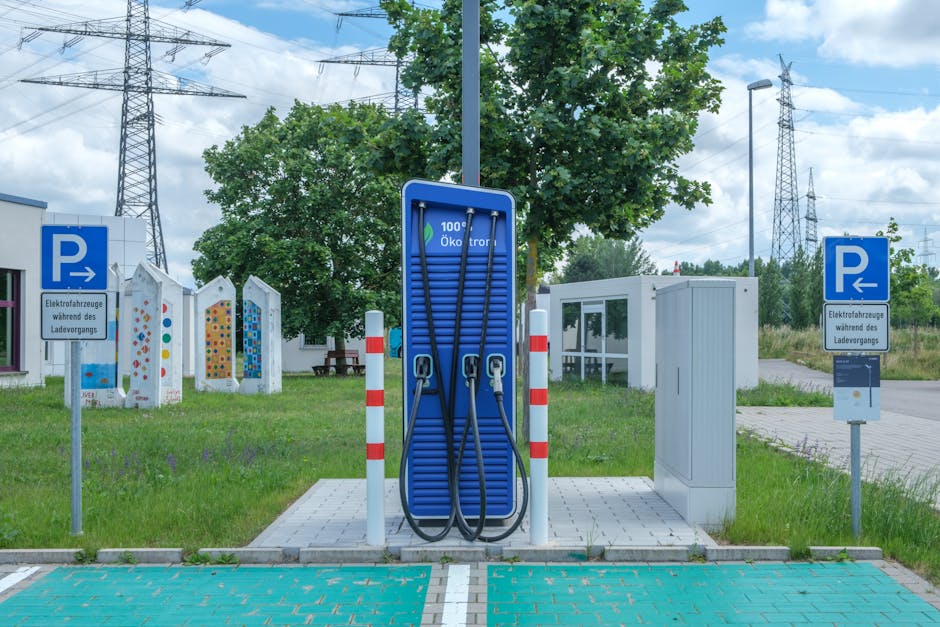
The expansion of public charging networks in 2026 is nothing short of remarkable. Companies such as Electrify America and Ionity have rolled out thousands of ultra-fast charging stations globally. These chargers, capable of delivering up to 350 kW, can provide up to 80% charge in just 15 minutes for compatible vehicles. Notably, urban areas and major highways in the US and Europe have seen the most significant growth, with charging stations strategically placed in key locations to ease range anxiety.
- Urban Charging Hubs: City centers are now equipped with multi-charger hubs that serve numerous vehicles simultaneously. These hubs often integrate solar panels and battery storage systems to ensure sustainability and reduce grid dependency.
- Highway Fast Chargers: Designed for long-distance travelers, these stations minimize charging downtime and are usually located within a short drive from popular dining or shopping venues, making stops more convenient.
Wireless Charging: The Next Frontier
Wireless charging technology, though in its nascent stages, is expected to gain traction throughout 2026. Using inductive charging pads embedded in roads or parking spaces, this technology eliminates the need for physical plugs. Companies like WiTricity are pioneering this field, with pilot programs underway in cities like San Francisco and Munich. Although currently limited to low-power applications, advancements in efficiency and scalability are on the horizon, promising an effortless charging experience in the near future.
Workplace Charging: Empowering Employees
More businesses are recognizing the importance of workplace charging facilities as a perk for employees. In 2026, approximately 30% of large corporations offer charging stations in their parking lots. This trend not only supports sustainability goals but also enhances employee satisfaction. Moreover, companies can benefit from government incentives for installing EV charging infrastructure, making it a win-win situation. For employees, this means less reliance on home charging and more flexibility in planning their daily commutes.
Charging Etiquette: The Unwritten Rules
As public charging stations become busier, understanding charging etiquette is crucial. Here are some tips:
- Time Limits: Avoid overstaying your welcome at busy charging stations. Once your EV reaches a sufficient charge level, make way for others.
- Respect Reserved Spots: Some charging spots are designated for certain EV models or for handicapped access. Always check the signage before parking.
- Report Issues: If you encounter a malfunctioning charger, report it to the network provider. This helps ensure a smooth experience for everyone.
By following these simple guidelines, EV owners can contribute to a more efficient and friendly charging environment.
Practical Takeaway for the Modern EV Owner

To make the most of your electric driving experience, familiarize yourself with the available charging options and develop a personalized strategy that suits your lifestyle. Invest in a reliable home charger if you have a stable residence, and take advantage of workplace facilities when possible. Stay informed about the nearest public charging stations, and keep an eye on emerging technologies like wireless charging. By doing so, you’ll ensure that your shift to electric vehicles is smooth, efficient, and enjoyable.