The Need for Speed: Why Ultra-Fast Charging Matters
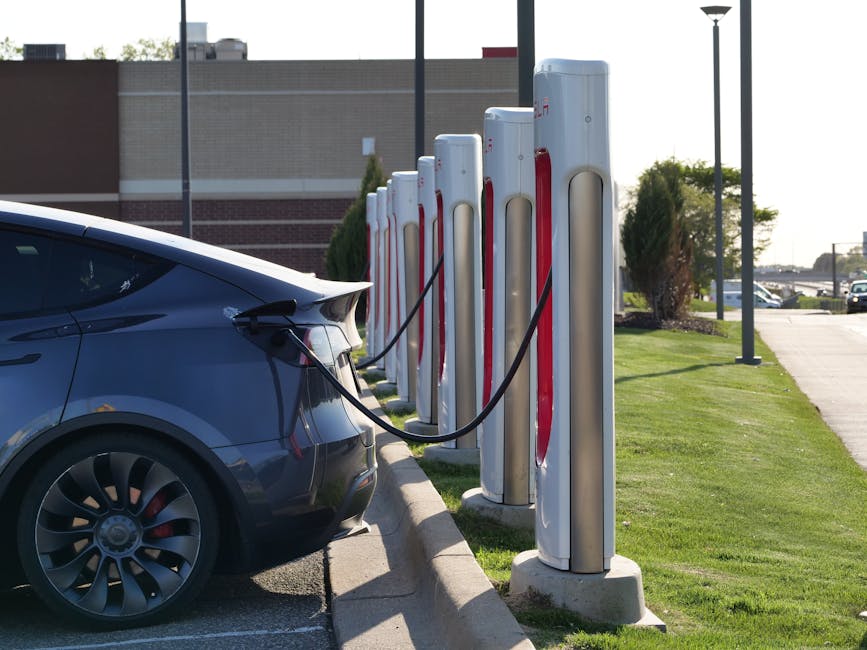
In 2026, the electric vehicle (EV) landscape is evolving at a lightning pace. As more and more drivers make the switch to EVs, the demand for quicker and more efficient charging solutions is skyrocketing. Enter ultra-fast charging stations. These are not just a convenience; they are rapidly becoming a necessity.
Ultra-fast chargers can fill an EV battery from zero to 80% in less than 15 minutes. This is a game-changer, especially for those long road trips or during busy workdays when every minute counts. With traditional charging methods taking several hours, the adoption of ultra-fast charging is critical to supporting our electrified future.
Understanding the Technology Behind Ultra-Fast Charging
So, what makes ultra-fast charging possible? The magic lies in the technology advancements within the charging stations and the vehicles themselves. These chargers typically operate at rates of 350 kW or higher, significantly greater than the 50 kW offered by most fast chargers currently in use.
Battery technology is also a key player. Modern EV batteries are being designed to handle higher power inputs without overheating, thanks to improved thermal management systems. This innovation allows for rapid energy transfer, ensuring your car is ready to go in the blink of an eye.
Where to Find Ultra-Fast Charging Stations: A 2026 Map
As of now, ultra-fast charging stations are popping up across the globe. In the United States, you can find them along major highways and in urban centers. California, Texas, and New York are leading the charge with extensive networks of these stations.
Globally, Europe is a frontrunner with countries like Germany and Norway boasting a dense grid of ultra-fast chargers. In Asia, China is ramping up its infrastructure to accommodate the growing number of EVs on its roads. It’s clear that no matter where you are, ultra-fast charging is becoming more accessible.
Environmental Benefits and Challenges
Switching to ultra-fast charging not only saves time but also supports a cleaner planet. By cutting down on idle time and increasing EV adoption, these chargers play a crucial role in reducing carbon emissions and promoting sustainable energy use.

However, the environmental benefits come with challenges. The energy demand for ultra-fast charging is immense, which puts pressure on the grid. Therefore, integrating renewable energy sources, like solar and wind, into the charging infrastructure is essential to maintain a sustainable balance.
The Future: What to Expect by 2027
Looking ahead, the ultra-fast charging landscape is set to expand even further. By 2027, expect to see technological advances that will reduce charging times even more, possibly under 10 minutes for a full charge. New partnerships between car manufacturers and energy companies will also likely drive down costs, making EVs and their charging infrastructure more affordable for everyone.
Moreover, the continuous improvement in battery technology and charging solutions could lead to innovations like wireless ultra-fast charging, eliminating the need for cumbersome cables entirely. The future of EV charging is bright and incredibly exciting.
How You Can Benefit: Practical Takeaway
If you’re considering an EV or already own one, now is the time to explore ultra-fast charging options available near you. Understanding the locations, costs, and benefits of different charging networks can save you time and money while enhancing your driving experience.

Staying informed and adaptable will ensure that you make the most of this revolutionary shift in the automotive world. So, charge up and join the movement towards a greener, more efficient future!