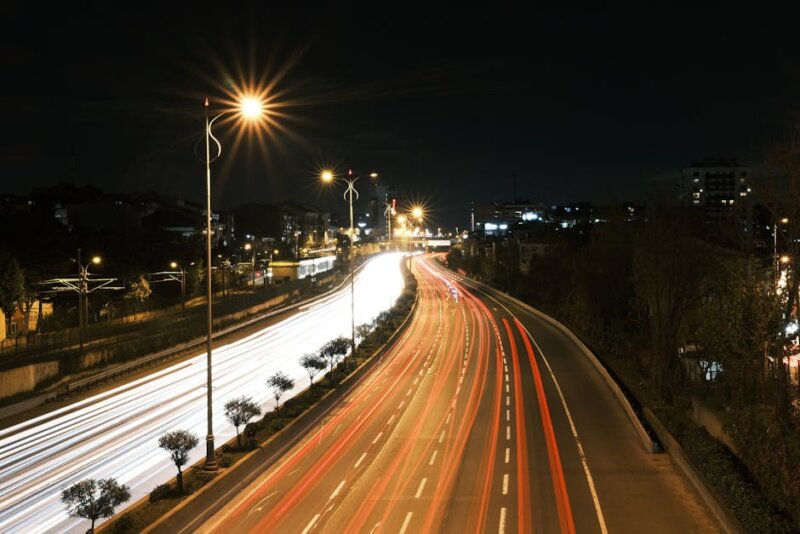

The New Sound of Urban Silence
As cities around the world morph into bustling hubs of technology and innovation, the soundscape of urban driving is experiencing a profound transformation. In 2026, electric vehicles (EVs) dominate the streets of New York, Tokyo, and Berlin, bringing with them a new era of urban quietude. With their near-silent operation, EVs are altering not just how we drive, but how cities sound altogether.
According to recent reports, noise pollution in major metropolitan areas has decreased by an impressive 30% since 2024. This reduction is largely attributed to the widespread adoption of electric and hybrid vehicles, which offer a stark contrast to the growl of traditional internal combustion engines.
Why Sound Matters in Modern Cities
Sound plays a crucial role in the urban ecosystem, influencing everything from pedestrian safety to mental health. Excessive noise pollution has been linked to increased stress levels, sleep disturbances, and even cardiovascular issues. With quieter streets, city dwellers are experiencing a unique benefit: reduced stress levels and improved overall well-being.
Moreover, the absence of engine noise highlights other sounds—like conversations, birdsong, and the rustle of leaves—creating a more pleasant and relaxing urban experience.
Designing the Future Soundtrack of Cars
While the silence of electric vehicles is a boon for reducing noise pollution, it poses a challenge for pedestrian safety. Enter automotive sound design. Automakers are now tasked with creating artificial sounds that ensure safety without compromising on the serene quality of EVs.
- Pedestrian Alert Systems: Many EV manufacturers, including Tesla and Rivian, have introduced pedestrian alert sounds that activate at low speeds. These sounds are subtle yet effective, ensuring that pedestrians can hear approaching vehicles without being obtrusive.
- Customizable Sound Profiles: Some brands, like Audi and BMW, are experimenting with customizable sound profiles, allowing drivers to select from a range of engine sounds. This innovation not only enhances safety but also personalizes the driving experience.
The Role of Legislation and Policy
Governments worldwide are recognizing the importance of regulating urban soundscapes. In 2026, the European Union has implemented new regulations requiring all electric vehicles to be equipped with acoustic vehicle alerting systems (AVAS). These policies are designed to ensure that the benefits of reduced noise pollution do not come at the expense of safety.
Meanwhile, cities like San Francisco and Singapore are investing in sound-mapping technology, allowing urban planners to make informed decisions about traffic flow and zoning regulations based on real-time noise data.
Community Impact and Feedback

The change in urban soundscapes has not gone unnoticed by city residents. Community feedback has been overwhelmingly positive, with many appreciating the quieter environment and expressing newfound enjoyment in outdoor activities.
Local businesses are also benefiting. Café owners report that outdoor seating has become more appealing, while real estate agents note an increase in property values in areas significantly affected by reduced noise pollution.
Practical Tips for Embracing the New Soundscape
For those living in or visiting cities undergoing this transformation, there are simple ways to embrace and enhance the experience:
- Explore on Foot or Bike: With quieter streets, walking or cycling has never been more enjoyable. Take the time to explore your city at a slower pace.
- Support Local Initiatives: Engage with community-driven projects aimed at further reducing noise pollution, such as tree planting and green roof installations.
- Stay Informed: Keep abreast of local noise regulations and participate in public consultations to voice your opinions on urban planning and development.
The quiet revolution of 2026 is reshaping cities in more ways than one. As we embrace this new era of urban driving, the harmony between technology and nature becomes ever more attainable. With mindful planning and community engagement, the future of urban soundscapes looks promising indeed.