The Rise of Urban Electric Vehicles
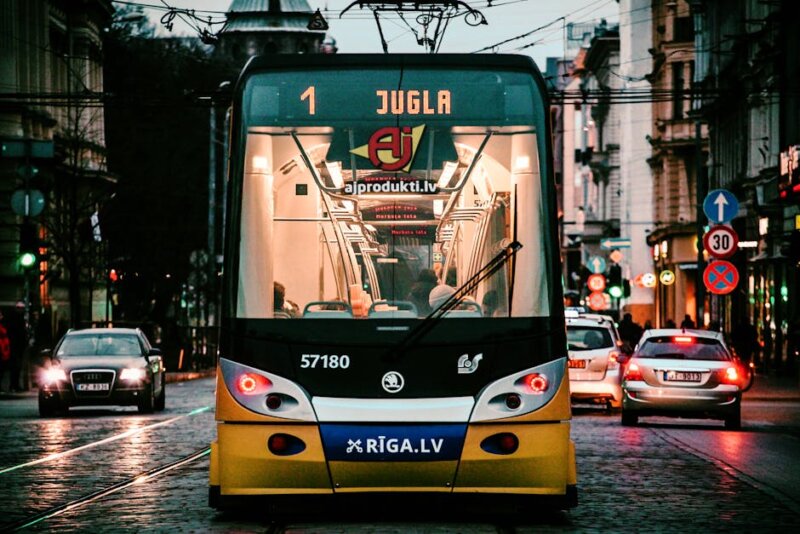
As cities grow denser and more congested, the need for efficient transportation solutions becomes crucial. In 2026, urban electric vehicles (UEVs) are stepping up to the plate, offering not just a means of transport but a lifestyle. With cities like Amsterdam, Tokyo, and San Francisco leading the charge, UEVs are becoming a standard sight as they nimbly navigate crowded streets, seamlessly integrating with public and private transportation systems.
Key Features of 2026’s Urban Electric Cars
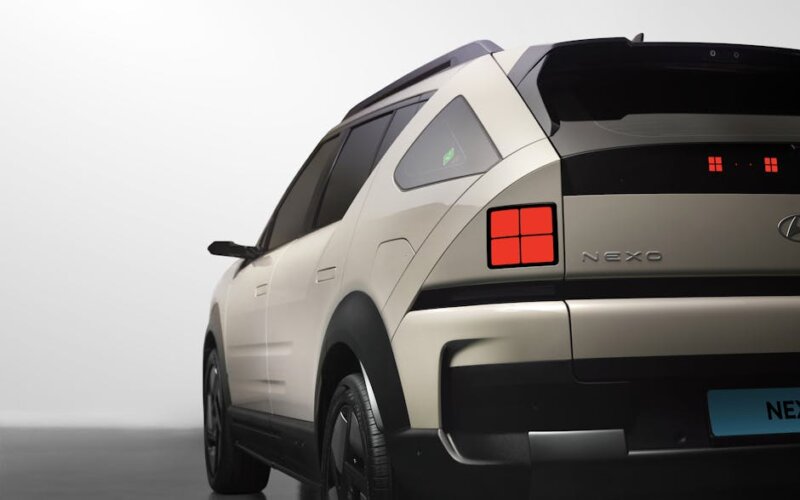
Compact Design: The hallmark of a great city vehicle is its size. UEVs are designed to be compact, often no longer than 10 feet. Take the Renault Tricity, for example—it’s small enough to fit into tight parking spots yet roomy enough inside to offer comfort during rush hour traffic.
- Agility: These vehicles boast an impressive turning radius, making U-turns on narrow streets a breeze.
- Energy Efficiency: Equipped with advanced battery technology, they can cover up to 250 miles on a single charge, perfect for a week’s worth of city commutes.
- Connectivity: Wi-Fi, AI-driven navigation, and seamless app integration allow drivers to manage their routes and schedules effortlessly.
Charging Innovations Shaping Urban Mobility
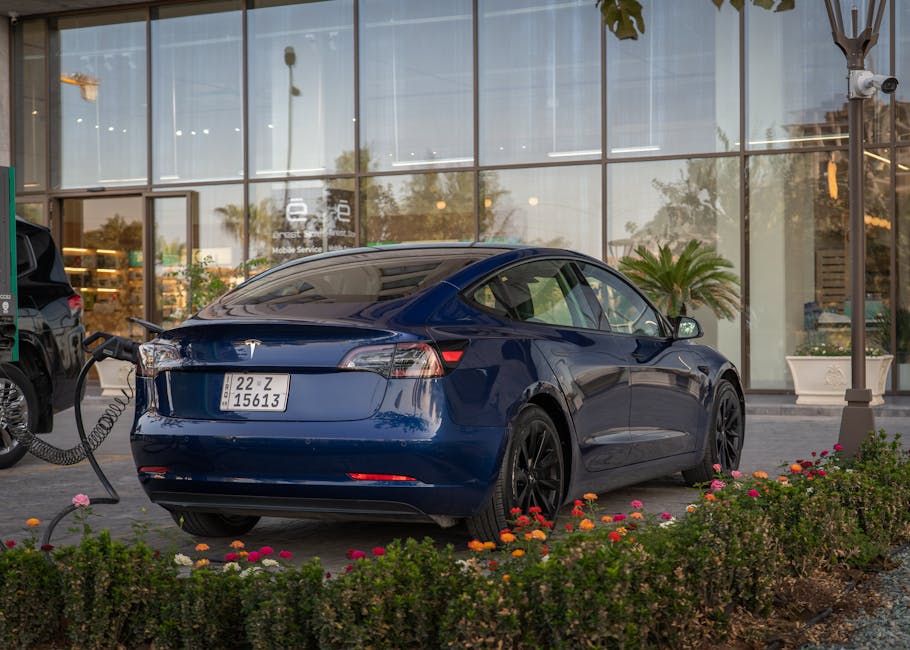
One of the biggest hurdles for UEVs has been charging infrastructure. However, cities are rapidly adapting. Stockholm’s new initiative, “Charge on the Go,” is a game-changer. This program installs inductive charging pads at stoplights, allowing cars to charge while stopped. Coupled with ultra-fast charging stations that can juice up a vehicle in under 10 minutes, range anxiety is becoming a relic of the past.
Environmental Impact and Urban Planning
Sustainable Development: The environmental benefits of UEVs are significant. By reducing emissions, they contribute to cleaner air, and with more pedestrian-friendly streets, the urban landscape becomes more livable.
- Lower Noise Pollution: The quiet hum of electric motors makes bustling city centers less noisy, enhancing the quality of life.
- Space Optimization: Government policies are encouraging the use of these vehicles by offering incentives such as discounted tolls and parking fees.
- Infrastructure: Urban planners are increasingly considering the needs of electric vehicles in their projects, ensuring roads, parking, and charging facilities are optimized.
Tech Innovations Driving the Future of Urban Transport
The tech ecosystem around UEVs is burgeoning. Companies like Tesla and Rivian are integrating AI into their systems, allowing for self-parking and even self-driving capabilities in congested areas. The rise of car-sharing services that exclusively use UEVs, like ZipCar’s “Zip Green” initiative, is making urban transit more accessible and eco-friendly.
Practical Takeaway: Embracing the Urban Electric Revolution
Urban electric vehicles are more than a trend; they are an essential component of sustainable city living. For those living in or moving to urban areas, considering a UEV could mean better integration with the cityscape, reduced transportation costs, and the satisfaction of contributing to a cleaner environment. Embracing these vehicles is not just about keeping up with technology—it’s about adapting to a more harmonious way of city life.