The Rise of Hyper-Fast Charging Stations
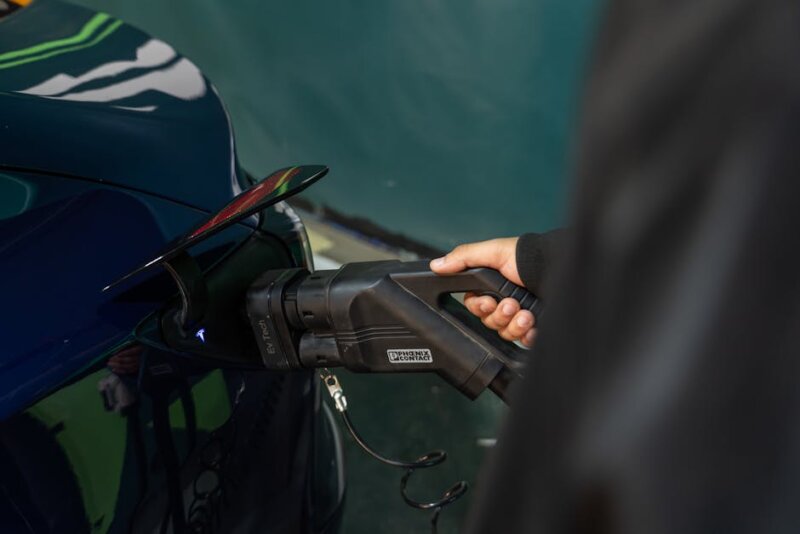
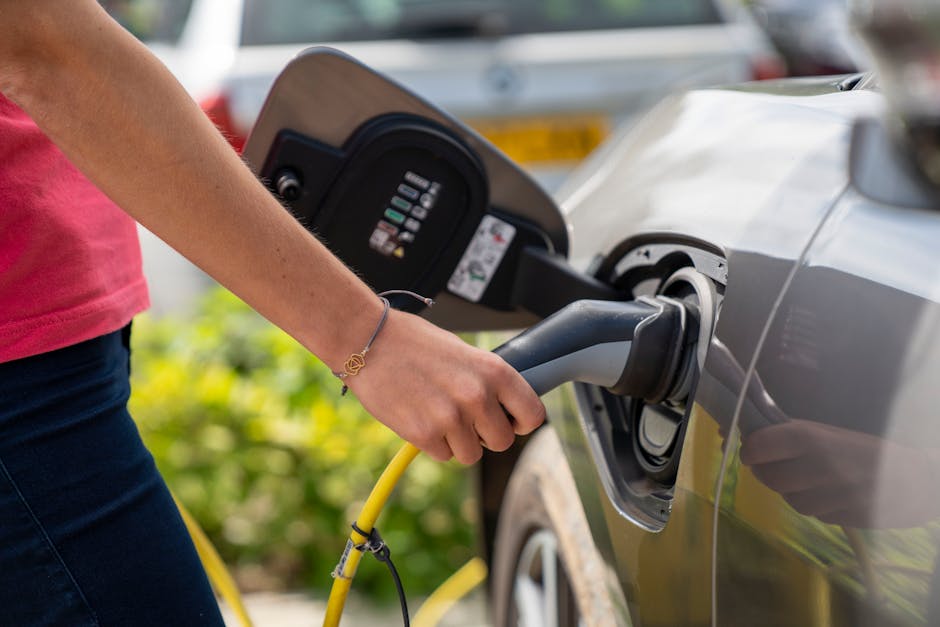
As we navigate 2026, electric vehicles (EVs) are no longer just a vision of the future—they’re firmly parked in the present. But the real game-changer? Charging technology that’s evolving faster than ever. Hyper-fast charging stations are sprouting up nationwide, making it possible to juice up your EV in mere minutes rather than hours. These stations, equipped with 350 kW chargers, are revolutionizing the way we think about road trips and daily commutes.
Consider Tesla’s latest V4 Supercharger, which can add up to 200 miles of range in just 10 minutes. Meanwhile, Electrify America and Shell Recharge are expanding their networks, ensuring that even long stretches of highway in the middle of Nevada or the beaches of Florida are never out of reach for EV drivers.
Wireless Charging: A New Convenience
Wireless charging pads aren’t just for your smartphone anymore. In 2026, they’re becoming a viable solution for EVs, too. Imagine pulling into your garage and having your car start charging automatically, no cables required. Companies like WiTricity and Plugless are leading the charge, so to speak, with pilot programs in cities like San Francisco and Seattle.

These systems use magnetic resonance to transfer power over short distances, providing both convenience and efficiency. Although widespread adoption will take time, the appeal is undeniable. Just think of the convenience of never having to plug in your car again!
The Role of Green Energy in EV Charging
As the world strives for sustainability, EV charging infrastructure is increasingly powered by green energy. Solar panels, wind turbines, and even hydropower are being integrated into charging stations. Some of the most innovative examples can be found at urban charging hubs in cities like Amsterdam and Copenhagen, where solar canopies provide both shade and power.
In the U.S., states like California and New York are incentivizing the use of renewable energy sources to power these stations, reducing the carbon footprint of EVs even further. By 2027, it’s expected that over 60% of public charging stations in the U.S. will be powered by renewables.
Innovative Payment Solutions
The days of fumbling with credit cards or mobile apps at the charging station are dwindling. In 2026, seamless payment systems are becoming the norm. RFID tags, integrated directly into EVs, allow drivers to plug in and charge without the need for additional steps.
Some companies are exploring blockchain technology for secure, decentralized payment systems. This means that your payment information is securely stored on a blockchain, reducing fraud risks and adding a layer of transparency to the transaction.
Community Charging Initiatives
Not all charging innovations are about speed and technology—some are about community. Neighborhood charging initiatives, where residents share a network of chargers, are gaining popularity in suburban areas. These networks are often supported by local governments or community organizations and provide a convenient and reliable charging option for residents without private driveways or garages.
This model is not only efficient but fosters a sense of community and collaboration among residents, making EV ownership more accessible and appealing.
Takeaway: Adapting to the New Normal
As electric vehicles continue to permeate our lives, the need for robust, reliable, and efficient charging infrastructure becomes ever more critical. Whether it’s through hyper-fast stations, wireless charging, or community initiatives, 2026 is shaping up to be a transformative year for how we power our journeys.

For the everyday driver, this evolution means less time waiting and more time spent where it matters—on the road. As these technologies continue to evolve, adaptability and openness to change will be key in embracing the electric future.