The Highway Safety Revolution

The world of automotive safety is undergoing a transformation like never before. In 2026, artificial intelligence isn’t just a fancy feature in cars—it’s a critical component of highway safety. Gone are the days when drivers relied solely on human reflexes and luck. AI is now the co-pilot we never knew we needed, reshaping how we perceive and ensure safety on highways around the world.
AI-Powered Traffic Management Systems
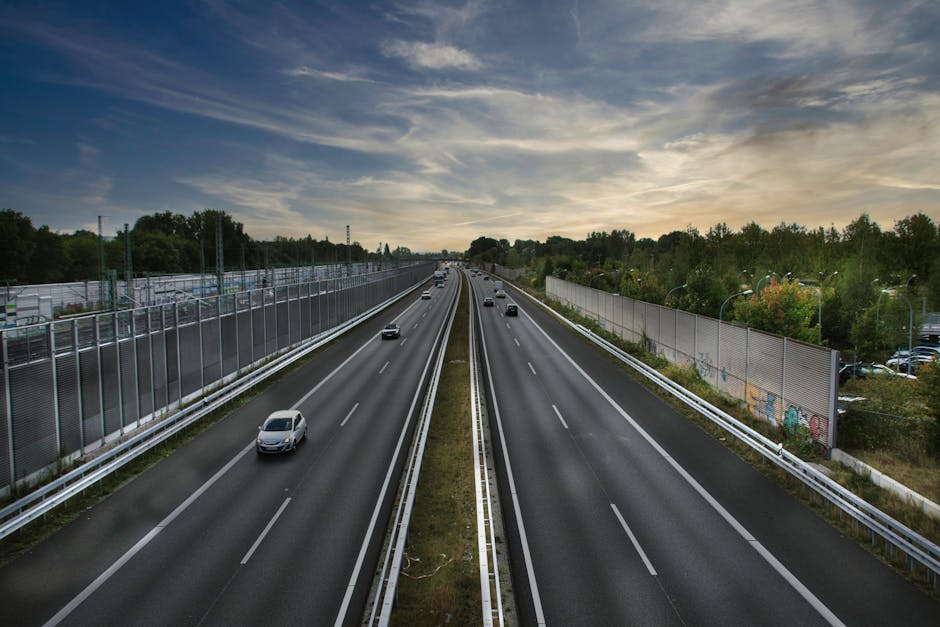
Modern highways are becoming increasingly sophisticated, thanks to AI-powered traffic management systems. Integrating sensors, cameras, and data analytics, these systems monitor vehicle flow and manage congestion in real-time. Take the Autobahn in Germany, for instance. In 2025, a pilot project incorporating AI traffic management reduced collisions by 15% and congestion by an impressive 30%. These systems analyze patterns and predict traffic behavior, enabling the smooth regulation of speed limits and lane usage to optimize traffic flow and enhance safety.
Smart Signage: More Than Just a Roadside Attraction
The static road signs of yesteryear are evolving into interactive communication tools. Imagine driving down I-95 and seeing a sign that adjusts its message based on real-time traffic conditions. Thanks to AI, smart signage can now relay critical information to drivers, such as upcoming traffic snarls, accidents, and hazardous weather conditions. These signs can even communicate directly with your vehicle’s onboard system, providing tailored advice to each driver. This personalized approach to information sharing is already being tested in cities like Los Angeles and New York, promising a future where highway communication feels almost intuitive.
Enhanced Vehicle-to-Everything (V2X) Communication
While vehicle-to-vehicle communication isn’t new, the integration of AI has taken this technology to unprecedented levels. Advanced V2X systems enable cars to communicate not just with each other but also with infrastructure, pedestrians, and even cyclists. Consider a scenario on the busy highways of Hong Kong, where a car anticipates a cyclist crossing the road thanks to AI-driven V2X alerts. This real-time data exchange significantly reduces reaction time and prevents potential accidents. AI algorithms process immense amounts of data in split seconds, making decisions that a human driver might miss.
AI-Augmented Driver Assistance Systems
Driver assistance systems have come a long way since the introduction of basic cruise control. In 2026, AI-enhanced systems offer a suite of features designed to support drivers in challenging situations. Adaptive cruise control, lane-keeping assistance, and emergency braking are just the start. These systems now incorporate predictive analytics to foresee potential threats and suggest preemptive actions. Consider the experience of driving through the winding roads of the Pacific Coast Highway, where AI-driven driver assistance can predict sharp turns and apply necessary adjustments, making the journey not only smoother but safer.
The Future: AI and Autonomous Driving
A fully autonomous highway experience might still be a few years away, but AI’s role in this evolution is undeniable. Today, AI is training autonomous vehicles to handle complex scenarios like human drivers. The key? Machine learning algorithms that continuously improve through real-world challenges. Highways are the testing ground for these autonomous vehicles, and cities like Shenzhen and Dubai are spearheading trials that showcase the potential for an entirely driverless experience.
The future of highway safety lies firmly in the hands of AI, promising a world where accidents are minimized and journeys are safer and more efficient. As these technologies continue to develop, drivers can expect not just safer roads, but a more harmonious interaction between human and machine. So, next time you’re cruising down the highway, remember: AI has your back, ensuring the journey is as smooth as possible.
Practical Takeaway

AI is not just an add-on; it’s becoming essential for highway safety. Stay informed about the AI technologies available in modern vehicles and consider upgrading your car to benefit from these advancements. Whether it’s smart signage or advanced driver assistance, embracing AI can make your travels safer and more enjoyable.