
The Rise of Smart Roads
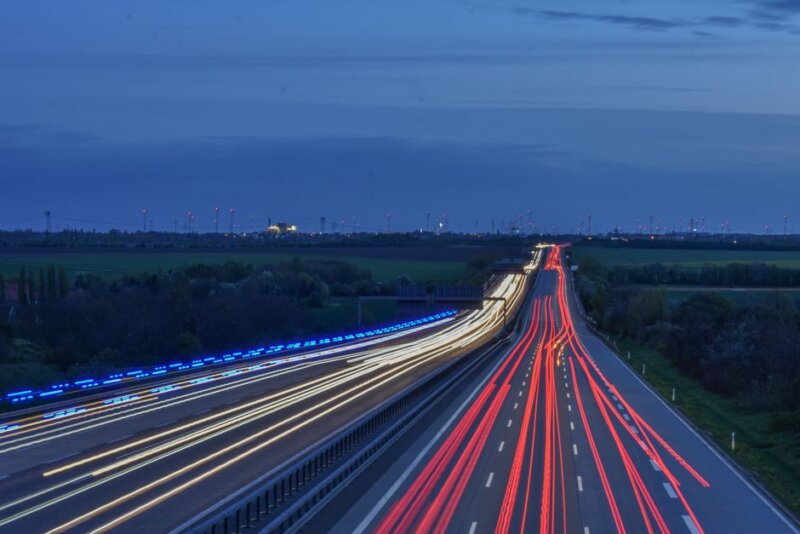
Imagine gliding down a highway that’s as intelligent as your car. Welcome to 2026, where smart roads are revolutionizing our daily commutes. These roads are equipped with sensors, cameras, and IoT devices, creating a seamless harmony between the asphalt below and the vehicles above. Technologies like real-time traffic monitoring and automated lane management are not just futuristic fantasies; they’re current realities enhancing road safety and efficiency.
Take the I-80 smart corridor in California, for instance. This 20-mile stretch is embedded with state-of-the-art technology, reducing traffic congestion by up to 30% and cutting accident rates by 15%. It’s not just about smoother driving; it’s about transforming the very way we perceive our commutes.
Enhancing Safety with Intelligent Infrastructure
Safety has always been a top priority on the roads, and smart infrastructure is making significant strides in this area. Using adaptive traffic signals and dynamic speed limits, these roads can adjust to real-time conditions, reducing the likelihood of accidents. In the Netherlands, the innovative ‘smart highway’ project uses glow-in-the-dark road markings and weather-responsive signage, creating a safer and more responsive driving environment.
Moreover, smart roads can communicate directly with vehicles to warn drivers of potential hazards ahead. Imagine being automatically alerted to an upcoming traffic jam or a sudden weather change, allowing you to adjust your route or speed accordingly. This two-way communication enhances driver awareness and reduces the risk of collisions.
Eco-Friendly Benefits of Smart Roads
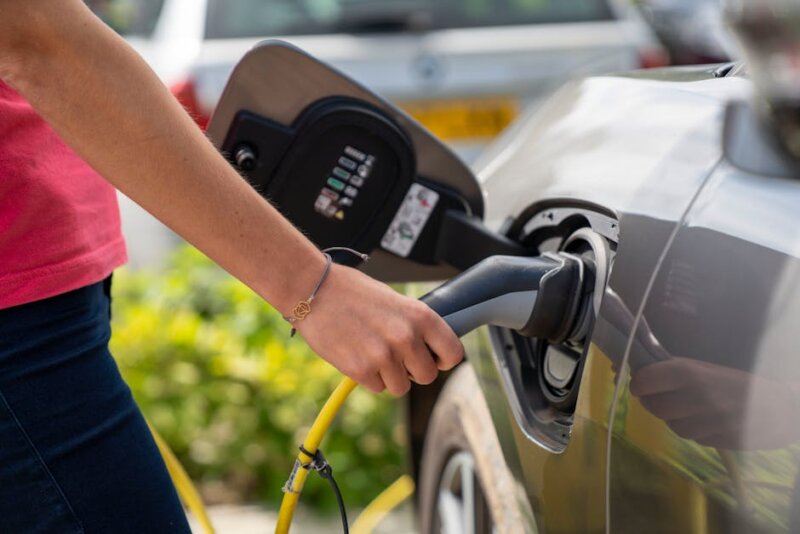
Smart roads aren’t just about improving traffic flow; they also play a crucial role in environmental sustainability. By optimizing vehicle speeds and reducing idle times, smart infrastructure helps lower carbon emissions significantly. For example, Sweden’s ‘electrified road’ project is garnering international attention. As vehicles move along this electrified strip, they charge on-the-go, reducing the reliance on traditional fueling stations and decreasing overall emissions.
This eco-friendly approach is catching on globally, with cities like Oslo and Vancouver investing heavily in smart road technology. The integration of renewable energy sources into road construction and maintenance further underlines the push towards a greener future.
Boosting Economic Efficiency
Beyond safety and environmental benefits, smart roads are a boon for economic productivity. By minimizing delays and optimizing traffic flow, these roads significantly reduce travel time, which translates into billions saved in fuel and productivity. Consider the smart roads of Singapore, which have reportedly cut travel time by 20% citywide.
Furthermore, the data collected from these roads provides invaluable insights into traffic patterns, helping urban planners and policymakers make informed decisions. This real-time data collection enables cities to adapt quickly to changing conditions, ensuring infrastructure keeps pace with urban growth.
The Future: Challenges and Opportunities
Implementing smart roads comes with its set of challenges. The initial cost of setting up such advanced infrastructure can be prohibitive. Additionally, maintaining the technology and ensuring data security are crucial concerns that need to be addressed. However, the long-term benefits in safety, environmental sustainability, and economic efficiency make investing in smart roads a wise choice.
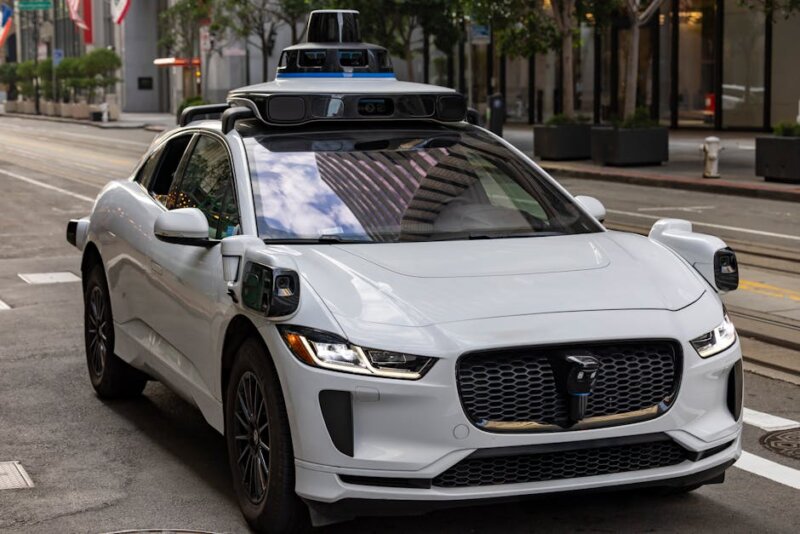
Looking forward, the integration of 5G technology and AI-driven analytics promises to take smart roads to the next level. Autonomous vehicles, in particular, stand to gain the most from these advancements, as they rely heavily on real-time data for safe and efficient operation. The collaboration between public and private sectors will be key in overcoming these challenges and unlocking the full potential of smart road technology.
Ultimately, as cities around the globe recognize the transformative potential of smart roads, we’re on the cusp of a transport revolution. This technology is not just about moving vehicles more efficiently; it’s about creating smarter, more sustainable environments for everyone.
Practical Takeaway: The next time you’re stuck in traffic, consider the possibilities that smart road technology offers. Whether it’s cutting down on commute time or enhancing safety, the roads of the future hold remarkable potential. As more cities invest in these innovations, it’s clear that smart roads are paving the way for a brighter, more connected future.