Embracing the Solar Revolution

As we cruise into 2026, the automotive industry is experiencing a pivotal shift. Solar-powered cars, once a distant dream, are now becoming a tangible reality. With the global push towards sustainability and the ever-increasing efficiency of photovoltaic technology, solar cars are poised to transform the way we think about transportation.
Countries like the United States, Germany, and Japan are leading the charge with innovative models that harness the sun’s energy, reducing reliance on traditional fuels and electricity. The appeal is clear – imagine driving without the constant need to plug in or fill up. The sun, that ever-present source of energy, is now a driving force in more ways than one.
The Technology Behind Solar Cars
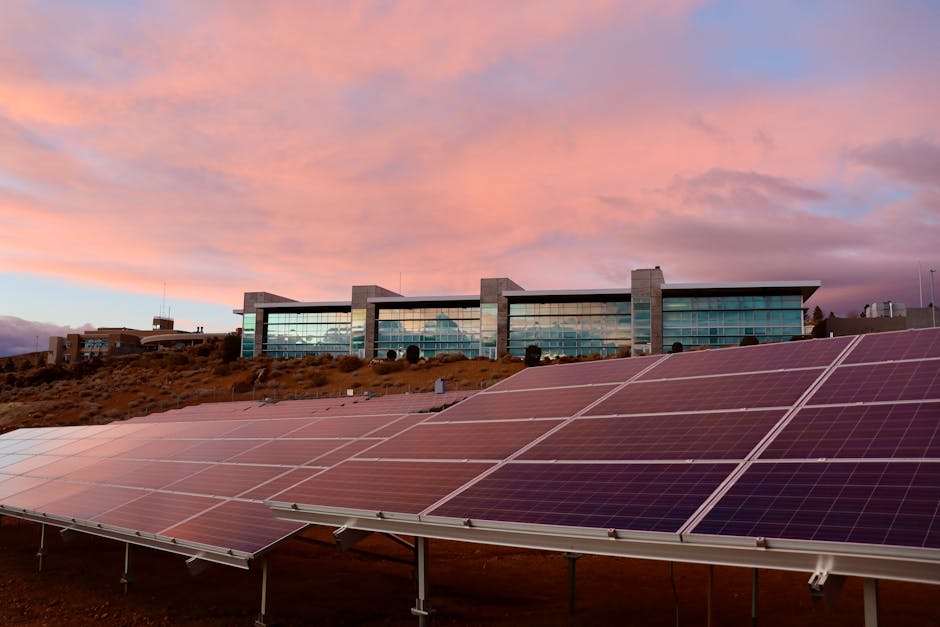
The core of solar-powered vehicles lies in their advanced photovoltaic (PV) systems. These systems are integrated into the car’s surface, capturing sunlight and converting it into usable electrical energy. The latest models boast an impressive efficiency rate, with some cars achieving up to 30% conversion efficiency thanks to breakthroughs in solar cell technology.
Manufacturers like Lightyear and Sono Motors are at the forefront, each developing vehicles that maximize solar panel coverage. For instance, Lightyear’s latest model, the Lightyear 2, features over 50 square feet of solar panels, enabling it to travel up to 40 miles a day purely on sunlight. This makes it perfect for urban commuters who can potentially drive without ever visiting a charging station.
Pros and Cons: Is Solar the Way to Go?
Advantages:
- Eco-Friendly: Solar cars produce zero emissions, significantly reducing the carbon footprint.
- Energy Independence: With solar energy, drivers are less dependent on the grid, which can be especially beneficial in areas with unreliable electricity.
- Cost-Effective: Over time, the cost of solar energy is expected to be lower than traditional fuel or electricity prices.
Challenges:
- Initial Costs: The technology is still relatively new, and the initial purchase price can be higher than conventional vehicles.
- Weather Dependency: Solar efficiency can be affected by weather conditions, though battery storage solutions are making strides in addressing this issue.
- Limited Range: While perfect for city driving, longer journeys still require traditional charging or hybrid systems to ensure a consistent power supply.
Real-World Applications and Current Models
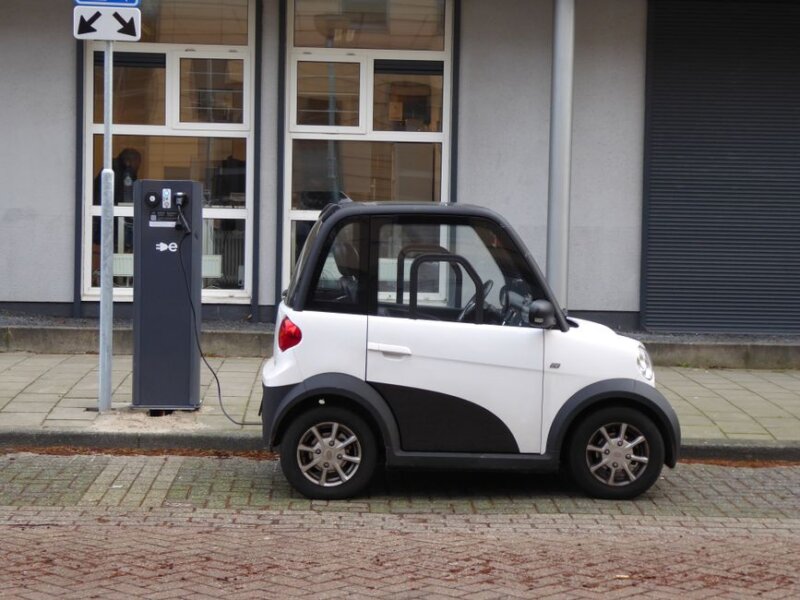
Real-world applications of solar cars are rapidly expanding. In the Netherlands, for example, a pilot program featuring solar taxis is underway. These vehicles are used for short-range city commutes, showcasing their practicality for urban settings.
Commercial models like the Sono Sion are also gaining traction in Europe. The Sion, with its integrated solar panels and affordable pricing, is set to become a staple for eco-conscious drivers. It offers a unique blend of solar and battery power, providing a seamless transition between energy sources.
The Future Solar Landscape
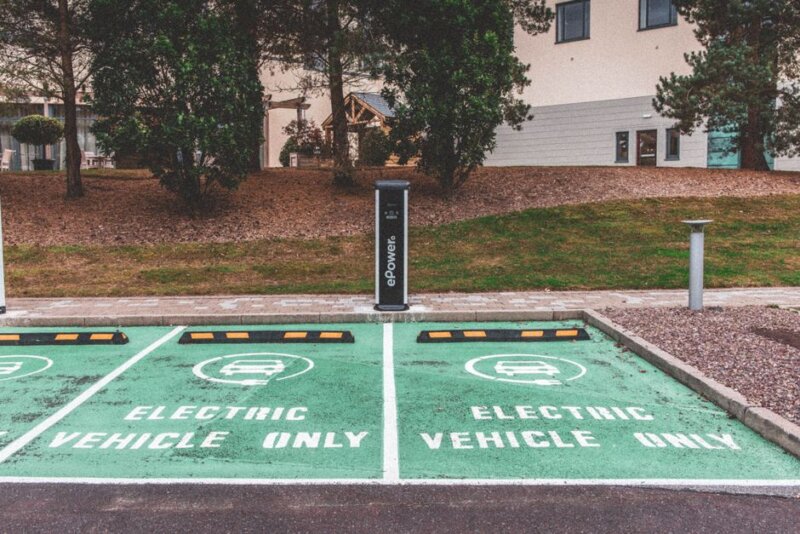
Looking ahead, the potential for solar-powered cars is immense. With continuous advancements in solar efficiency and battery technology, the limitations of today may soon be obsolete. As infrastructure evolves, we can expect to see solar charging stations becoming as common as traditional EV chargers.
Moreover, collaborations between car manufacturers and tech companies are likely to accelerate innovations, leading to more affordable and efficient solar vehicles. By 2030, it’s plausible that on-sun energy will cover a significant portion of the global automotive landscape.
Practical Tips for Potential Solar Car Buyers
If you’re considering making the switch to a solar car, here are a few tips to get you started:
- Evaluate Your Driving Needs: Consider your daily mileage and whether a solar car’s range suits your lifestyle.
- Check Local Weather Patterns: Solar cars are more efficient in sunnier climates. Analyze whether your environment supports solar efficiency.
- Research Available Incentives: Many governments offer incentives for sustainable vehicle purchases, which can offset initial costs.
- Consider Hybrid Options: If range anxiety is a concern, explore hybrid solar models that combine traditional EV batteries with solar charging.

Embracing solar technology is more than just a trend; it’s a step towards a sustainable future. As the sun continues to rise, so too does the promise of a cleaner, greener drive.