
The Quest for Quiet
As we edge closer to the era of electric and hybrid vehicles dominating the roads, a fascinating transformation is taking place — the development of noise-free highways. These innovative roads aim to create a more peaceful driving experience and improve quality of life for those living nearby. But what exactly does a noise-free highway entail, and how are they being brought to life?
The concept of noise-free highways is not just a futuristic fantasy. In fact, several countries have already begun testing various technologies to reduce the clamor caused by road traffic. From special asphalt compositions to noise barriers and advanced landscaping, the quest for quieter roads is gaining momentum.
The Magic of Acoustic Asphalt
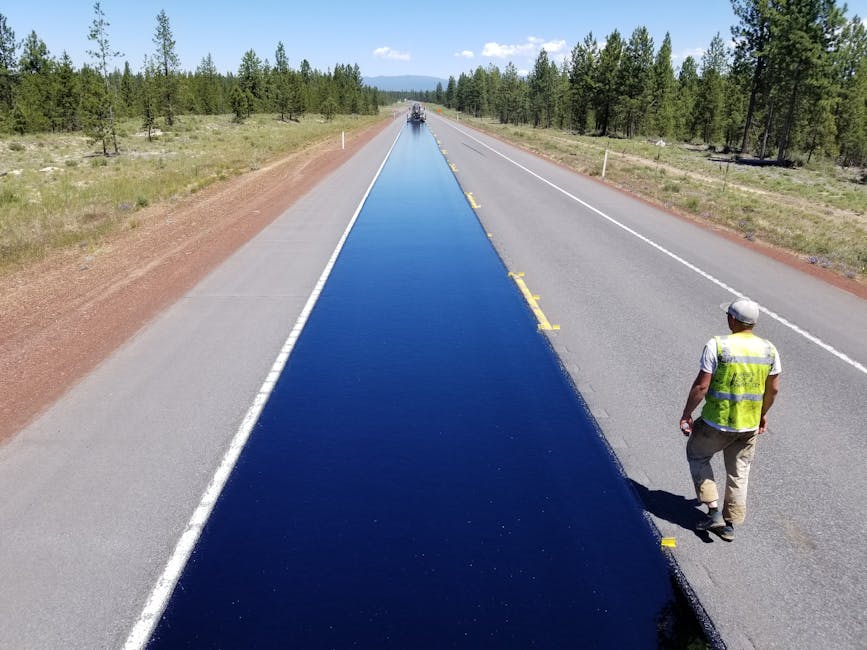
The centerpiece of many noise-reduction strategies is the use of acoustic asphalt. Unlike traditional asphalt, which can be quite dense and reflective, acoustic asphalt blends unique materials that absorb sound rather than bounce it back. One prime example is the ‘whispering asphalt’ used in Denmark, which significantly reduces noise levels by up to 50% compared to conventional materials.

This special asphalt is crafted from a mix of rubber and porous aggregates that trap sound waves. As cars zoom over these surfaces, the noise is absorbed into the asphalt, creating a quieter atmosphere both inside vehicles and in surrounding neighborhoods. Imagine driving along a highway where the only thing you hear is the gentle hum of your own engine!
Engineering the Soundscape
Beyond the road surface itself, engineers are getting creative with other noise-reducing techniques. The construction of vegetative sound barriers and strategically planted trees can play a critical role in absorbing sound. In the Netherlands, for instance, ‘green noise barriers’ have been implemented with layers of earth and thick greenery that not only dampen sound but also enhance the aesthetic appeal of the roadways.
Additionally, cutting-edge designs in highway architecture are optimizing the flow of sound. Sound-absorbing panels and road-side installations, crafted from innovative materials like recycled plastic and metal, are becoming an integral part of modern highway design. These structures are engineered to redirect sound waves upwards and away from populated areas, effectively reducing noise pollution.
The Role of EVs and Hybrids
Electric vehicles (EVs) and hybrids play a significant role in the transition to quieter highways. These vehicles, known for their silent operation, bring down the noise level considerably. In urban areas where traffic noise can reach deafening levels, the shift to EVs has already shown a noticeable reduction in noise pollution.
In cities like Oslo and Amsterdam, where EV adoption rates are some of the highest in the world, studies have documented the tangible impact of these vehicles on noise levels. It’s no surprise that these cities are at the forefront of integrating noise-free highway technologies.
Challenges on the Road Ahead
While the concept of noise-free highways is captivating, it’s not without its challenges. The cost of implementing these technologies can be significant, and not all regions have the means to adopt such advanced infrastructures. Moreover, there are technical hurdles to overcome, such as ensuring that acoustic materials can withstand various weather conditions and the wear and tear of heavy traffic.
There’s also the matter of maintenance. Acoustic asphalt and sound barriers require regular upkeep to maintain their noise-dampening properties. Finding a balance between cost, maintenance, and effectiveness is crucial for the widespread adoption of these technologies.
The Quiet Revolution
The pursuit of noise-free highways represents a transformative shift in how we view transportation infrastructure. It’s a move towards not just quieter roads but a more sustainable and enjoyable driving experience. The road to a noise-free future is certainly not without its bumps, but the potential benefits make it a journey worth embarking on.
So, as you cruise down the highway in 2026, keep an ear out — or rather, don’t — for the sound of silence. The quiet revolution is on its way, and it’s changing the roads as we know them.
Practical Takeaway: With noise-free highways on the horizon, keep an eye on how local governments plan to implement these changes. If you’re in the market for a new vehicle, consider the impact of EVs and hybrids not just on the environment, but on your personal soundscape.